





What's Happening?
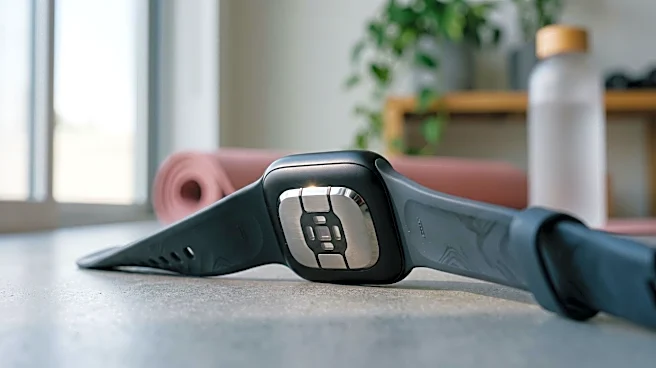
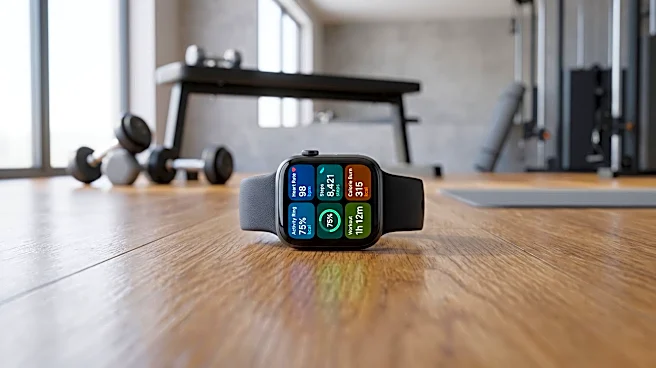
Google has reaffirmed its commitment to the Fitbit brand with new devices, including the Fitbit Edge, which offers various settings to optimize user experience. Users can customize the clock face, with 'Modular' faces allowing up to four or five tiles
for quick stat checks like calorie burn and heart rate. A crucial setting is 'Tracker Orientation,' which determines the physical button's position relative to onscreen content, useful for avoiding accidental presses during activities like deadlifting. To extend battery life, users can configure GPS settings to always use their phone for location data, or set it to 'Dynamic' to switch to built-in GPS when the phone is absent. Disabling 'Always-On Display' can significantly increase battery life from seven days to around two, and frequent short charges can also help maintain power.
Why It's Important?
The detailed customization options for the Fitbit Edge are important for U.S. consumers as they allow for a more personalized and efficient fitness tracking experience. By enabling users to tailor settings like clock faces and tracker orientation, Fitbit addresses individual preferences and activity-specific needs, enhancing the device's practicality and comfort. The focus on battery optimization, through GPS and display settings, is crucial for user satisfaction, as battery life is a common concern for wearable technology. These improvements demonstrate Google's strategy to make Fitbit devices more competitive and user-friendly, potentially increasing adoption among those who prioritize functionality and longevity in their fitness trackers over full-fledged smartwatches.
What's Next?
Users of the Fitbit Edge can immediately implement these setting adjustments to improve their device experience. Google's continued support for the Fitbit brand suggests future software updates may introduce further customization options or performance enhancements. The emphasis on user-centric design and battery management indicates a trend towards more adaptable and efficient wearable technology. As Google continues to integrate Fitbit into its ecosystem, users might see more seamless interactions with other Google services and devices, further solidifying the Fitbit Edge's role as a dedicated fitness tracker.
Beyond the Headlines
The detailed customization and battery optimization features of the Fitbit Edge reflect a broader industry trend towards user empowerment in wearable technology. Beyond simply collecting data, devices are now designed to adapt to individual lifestyles and preferences, moving towards a more personalized and less intrusive user experience. This evolution raises questions about the balance between advanced features and simplicity, as well as the environmental impact of frequent device upgrades versus extending the lifespan of existing devices through software improvements. The ability to fine-tune settings also highlights the growing expectation among consumers for technology that can be seamlessly integrated into their daily routines without constant maintenance or discomfort.