




What's Happening?
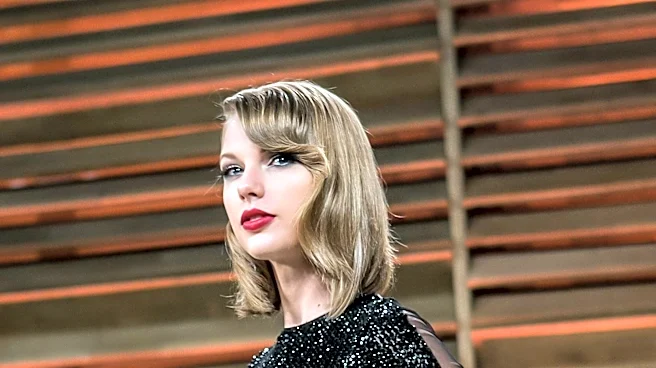
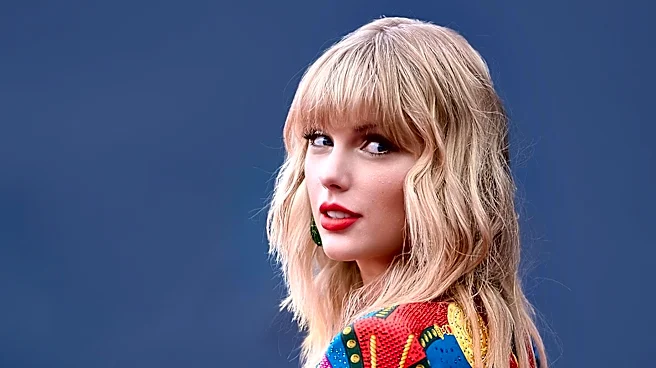
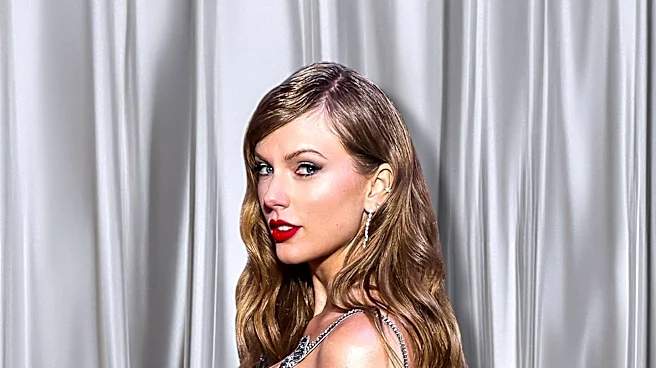
Vanity Fair published a profile on Taylor Swift on November 23, titled 'The Mastermind,' which has generated significant controversy. The article, which did not directly name Swift but clearly referred to her, aimed to scrutinize her rise to fame and
question the carefully constructed narrative surrounding her career, friendships, and childhood. Drawing on interviews with over 100 sources, the piece presented Swift as a powerful and calculating figure, capable of fierce loyalty but also alleged unforgiveness towards those who fall out of favor. Among its more pointed claims, the article compared Swift to 'Mean Girls' antagonist Regina George, included allegations of professional pettiness and retaliation, and raised questions about the extent to which her success was influenced by her family's wealth and connections. The article's adversarial tone and choice of anecdotes, such as a detail about Swift owning three pairs of UGG boots, have been widely criticized by readers and PR experts.
Why It's Important?
This Vanity Fair profile is significant because it represents a rare public challenge to Taylor Swift's carefully managed public image, which has largely been one of relatability and authenticity. The backlash against the article, with many readers questioning its tone and sourcing, highlights the strong loyalty of Swift's fanbase and the broader public's skepticism towards media narratives perceived as overly critical or 'takedowns' of popular figures. According to celebrity publicist Tracy Lamourie, the article 'literally blew up on impact,' failing to achieve its apparent goal of diminishing Swift's standing. Instead, it appears to have galvanized support for the pop star, with many defending her against what they perceive as unfair attacks. This incident underscores the power of celebrity branding and the difficulty media outlets face in presenting critical perspectives on widely beloved public figures without facing significant pushback.
What's Next?
In the immediate aftermath, the article has sparked a polarized reaction, with those inclined to criticize Swift using it as validation, while her fans, known as 'Swifties,' are using it as a rallying point to defend her. According to Jo O'Reilly, Digital PR Consultant at Sabot Limited, the piece will ultimately 'confirm the bias' individuals already hold about Swift. PR professional Blair Huddy suggests that the story may even garner more sympathy for Swift, as she has 'earned enough public trust' to withstand such critiques. Experts like Lamourie believe Swift may not even need to directly address the article, as public sentiment and fan defense are effectively countering its intended impact. This situation could lead to further discussions within media circles about journalistic approaches to celebrity profiles and the potential for such pieces to backfire, inadvertently strengthening the subject's public image.
Beyond the Headlines
Beyond the immediate controversy, this event touches upon deeper implications regarding media scrutiny of female celebrities and the evolving nature of public perception in the digital age. The article's attempt to deconstruct Swift's narrative, particularly by questioning her childhood and professional conduct, reflects a broader trend of re-examining the origins and authenticity of celebrity personas. However, the strong negative reaction to the piece also suggests a public fatigue with what is perceived as 'snark' or overly critical reporting, especially when it targets successful women. The incident highlights the complex relationship between celebrities, their fans, and the media, where established narratives are fiercely protected by loyal fanbases. It also raises questions about the effectiveness of traditional investigative journalism when applied to figures with immense public goodwill and a highly engaged, protective following, potentially signaling a shift in how celebrity power dynamics influence media reception.