






What's Happening?
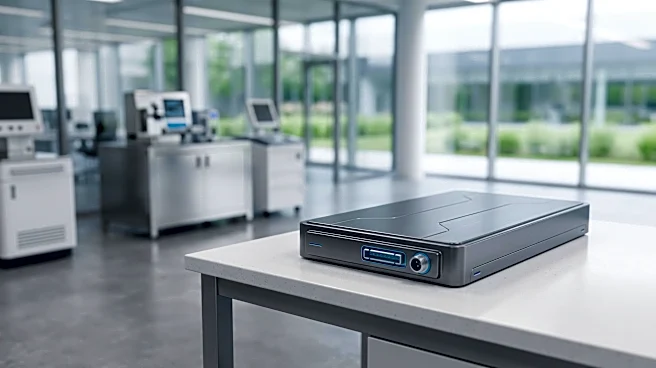
Panasonic Energy has officially opened its new research and development (R&D) hub, Energy Innovation Square, in Kadoma, Osaka, Japan. This facility aims to consolidate lithium-ion battery material development, cell design, and prototyping into a single
location. The primary goal is to accelerate the transfer of new battery designs into mass production, catering to the increasing demand from the automotive sector, particularly for electric vehicles (EVs), and data centers. The new hub will house approximately 500 employees and will work in conjunction with Panasonic's Suminoe Production Development Facility, bringing the combined workforce across the two Osaka sites to about 800. This consolidation is expected to reduce transport-related development lead times by over 15%. The two facilities will divide responsibilities, with Energy Innovation Square focusing on cell development and Suminoe on manufacturing technology, thereby strengthening the link between laboratory research and industrial-scale production. Panasonic Energy also plans to enhance simulation and physical-test data integration to improve design maturity before mass production.
Why It's Important?
Panasonic Energy's new R&D hub in Japan holds significant importance for the U.S. market, especially given the company's existing battery manufacturing operations in Nevada and Kansas. By accelerating battery development and streamlining the transfer of new designs to mass production, this initiative directly supports the supply chain for electric vehicles and data centers in the U.S. The demand for high-performance batteries is surging due to the rapid growth of the EV market and the increasing energy needs of AI data centers. Faster innovation in battery technology means more efficient, longer-lasting, and potentially more affordable batteries for U.S.-made EVs, which can boost consumer adoption and support the domestic automotive industry. For data centers, improved battery technology translates to more reliable backup power and potentially more sustainable energy storage solutions, critical for maintaining continuous operations and managing energy consumption. This strategic investment by Panasonic underscores the global competition in battery technology and its direct impact on U.S. industries, from transportation to digital infrastructure. It also highlights the importance of international collaboration and supply chains in meeting the U.S.'s clean energy and technological goals.
What's Next?
Panasonic Energy intends to deploy the processes and innovations developed at the Energy Innovation Square across its global production network, including its plants in Nevada and Kansas in the U.S. This means that advancements made in Japan will directly benefit U.S. manufacturing capabilities, potentially leading to the production of more advanced batteries on American soil. The company's focus on rising requirements from electric vehicles, AI data centers, drones, robotaxis, and humanoid robots indicates a broad strategic vision for battery applications. This suggests that future battery technologies developed at the hub will be versatile and adaptable to various emerging industries, potentially creating new market opportunities. The emphasis on improving design maturity through enhanced simulation and physical-test data integration will likely lead to more robust and reliable battery products, reducing development cycles and accelerating market entry. This continuous innovation will be crucial for Panasonic to maintain its competitive edge in the rapidly evolving battery market and to meet the diverse demands of its U.S. and international clients.
Beyond the Headlines
The establishment of Panasonic Energy's R&D hub signifies a deeper trend towards localized yet globally integrated innovation in critical technologies. While the hub is in Japan, its direct impact on U.S. manufacturing facilities highlights the interconnectedness of global supply chains and the strategic importance of international R&D investments. Ethically, the accelerated development and mass production of batteries raise questions about the environmental footprint of battery manufacturing, including resource extraction and waste management. Companies like Panasonic will face increasing scrutiny to ensure sustainable practices throughout their supply chains. Culturally, the growing demand for batteries from EVs and AI data centers reflects a societal shift towards electrification and digital transformation. This transformation requires not only technological advancements but also a re-evaluation of energy consumption patterns and infrastructure. The long-term implications include a potential reduction in carbon emissions from transportation and more efficient, resilient digital infrastructure, but also the challenge of managing the lifecycle of these advanced battery technologies responsibly. This move by Panasonic is a microcosm of the broader global effort to innovate in energy storage for a sustainable and technologically advanced future.