




What's Happening?
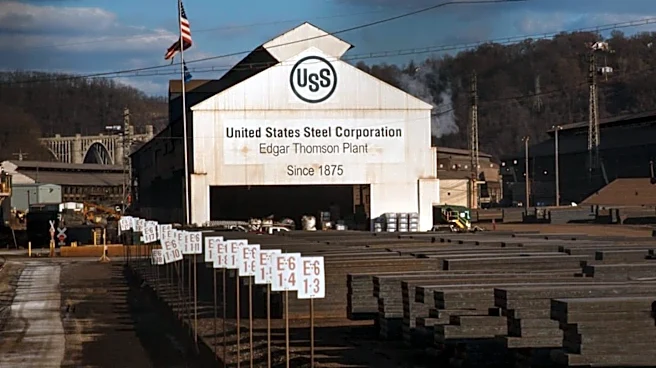
Gary officials have announced a proposed economic development agreement with U.S. Steel, which includes a $3 billion investment in the Gary Works steel mill. This agreement, if approved by the Gary Common Council, is projected to bring significant benefits
to the city. These benefits include home repair grants, a new fire truck, repaved streets, and the elimination of $99 million in outstanding municipal debt. Additionally, the deal would provide $4 million to the city’s Housing Trust Fund and approximately $14.7 million for public safety and economic development initiatives. The investment is expected to generate about $247 million in property tax and tax increment financing revenue over the next 25 years, with over $90 million allocated to local schools. This proposal is linked to U.S. Steel's plans to modernize its Gary Works facility, a major industrial operation in the region. The agreement also involves creating a redevelopment area around Gary Works, spanning approximately 3,133 acres, to support up to $195 million in infrastructure and economic development improvements.
Why It's Important?
This proposed investment is crucial for Gary, Indiana, as it aims to strengthen municipal finances and support existing steelmaking jobs. According to Anthony Sindone, an economist at Indiana University Northwest, the $3 billion investment could generate an estimated total economic impact of $4.7 billion across Gary and the surrounding region, considering additional spending. Beyond financial benefits, the agreement seeks to improve the quality of life for residents through direct investments in infrastructure, public safety, and housing. The modernization of the Gary Works facility is expected to help retain current jobs, even if it doesn't lead to a significant increase in new hiring. The long-term economic benefits could extend beyond the steel mill, as local spending by workers and businesses, along with new companies seeking opportunities, could further boost the regional economy. However, the success of the investment will be measured by visible improvements throughout Gary, addressing concerns about the city's infrastructure and overall living conditions.
What's Next?
The proposed economic development agreement is contingent on approval by the Gary Common Council. Council Vice President Darren Washington has stated he will not support the deal unless the council hires an independent finance consultant to review it, citing concerns as both a Gary resident and a Lake County Council member-elect. This indicates a potential hurdle in the agreement's ratification process. The announcement also comes amidst ongoing environmental concerns surrounding Gary Works. In October, Gary Advocates for Responsible Development (GARD) notified U.S. Steel of its intent to sue, alleging violations of the federal Clean Air Act. U.S. Steel has disputed these allegations, maintaining that its recent relining of Blast Furnace No. 14 was routine maintenance and exempt from permit requirements. The outcome of the council's vote and the resolution of environmental disputes will determine the immediate future of this significant investment.
Beyond the Headlines
The U.S. Steel investment in Gary highlights a broader trend of industrial modernization and its potential impact on legacy manufacturing cities. While the economic benefits are substantial, the agreement also brings to the forefront the complex interplay between industrial development, environmental stewardship, and community well-being. The environmental concerns raised by GARD underscore the ongoing challenge of balancing economic growth with ecological responsibility, particularly in areas with a long history of heavy industry. The demand for an independent financial review by Council Vice President Washington reflects a growing emphasis on transparency and accountability in large-scale public-private partnerships. This situation could set a precedent for how similar agreements are scrutinized and implemented in other industrial cities, emphasizing the need for comprehensive assessments that consider both financial and social returns on investment. The long-term success of this initiative will depend not only on the financial injection but also on its ability to foster sustainable development and address historical community concerns.