





What's Happening?
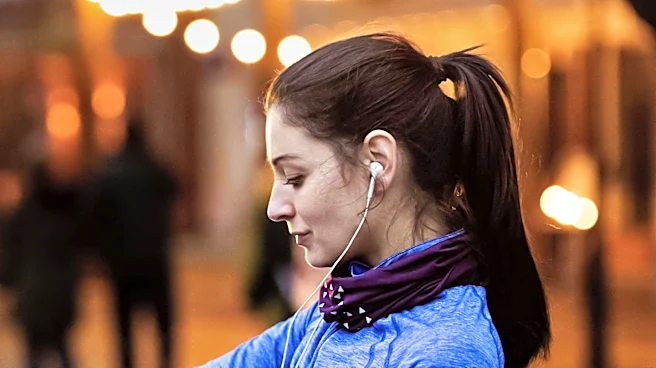
The AI fitness coach application 'ego' for iPhone (iOS 18+) is designed to integrate Apple Health data, including sleep, steps, active calories, and workouts, to dynamically adjust exercise plans. Unlike many other fitness apps that provide static workout routines
or recovery scores without direct application to training, ego's AI coach uses real-time health metrics to offer personalized recommendations. For instance, if a user reports only five hours of sleep, the app can suggest a lighter version of the day's session, such as one fewer set on exercises with three or more sets, while maintaining the original weights. This adaptive approach aims to prevent overtraining due to insufficient recovery, a common issue with programs that do not account for individual daily states. The app also provides post-workout insights and daily nutrition analysis, identifying patterns like consistently short sleep or under-eating that may hinder fitness goals. While ego is free to download and allows for basic plan building and logging, a subscription is required for full logging capabilities.
Why It's Important?
This development is significant for the fitness technology sector and individuals seeking more personalized and effective workout regimens. By directly integrating sleep and recovery data into workout adjustments, ego addresses a critical gap in many existing fitness applications. Research indicates that acute sleep loss can reduce next-day exercise performance by approximately 7.6%, and sleep deprivation can impair maximum force output. Traditional static workout programs often fail to account for these physiological realities, potentially leading to missed lifts, increased fatigue, and counterproductive adjustments based on perceived weakness rather than actual recovery status. For users, this means a more sustainable and responsive training experience that minimizes the risk of injury and burnout while optimizing performance. For the broader health and wellness industry, it highlights a growing trend towards AI-driven, data-informed solutions that move beyond generic advice to offer truly individualized coaching.
What's Next?
The continued evolution of AI fitness coaches like ego suggests a future where personalized health and fitness management becomes increasingly sophisticated. As more users adopt such adaptive platforms, there will likely be a greater demand for seamless integration with various health tracking devices and broader data analysis capabilities. Future iterations could incorporate more nuanced physiological markers, such as heart rate variability (HRV) or stress levels, to further refine workout adjustments. The success of apps like ego may also prompt other fitness technology companies to re-evaluate their recovery models and integrate similar adaptive features. This could lead to a more competitive market focused on holistic user well-being, where the emphasis shifts from simply prescribing exercises to intelligently guiding users through their fitness journey based on their body's daily readiness. Additionally, as AI models become more advanced, they may offer predictive insights into potential overtraining or under-recovery, allowing for proactive adjustments to training schedules.
Beyond the Headlines
The rise of AI fitness coaches that adapt to sleep and recovery data touches upon deeper implications regarding the intersection of technology, personal health, and behavioral science. Ethically, these apps raise questions about data privacy and the extent to which personal health information is collected, stored, and utilized. Users grant permission for these apps to access sensitive health data, necessitating robust security measures and transparent data policies. Culturally, this trend reflects a growing societal emphasis on personalized wellness and the optimization of human performance through data-driven insights. It also highlights a shift in how individuals perceive their relationship with technology – from passive consumption to active, data-informed self-management. Legally, as these AI coaches become more influential in guiding health decisions, there may be future considerations regarding liability if recommendations lead to adverse outcomes, prompting a need for clear disclaimers and regulatory frameworks for AI in health and fitness.