



What's Happening?
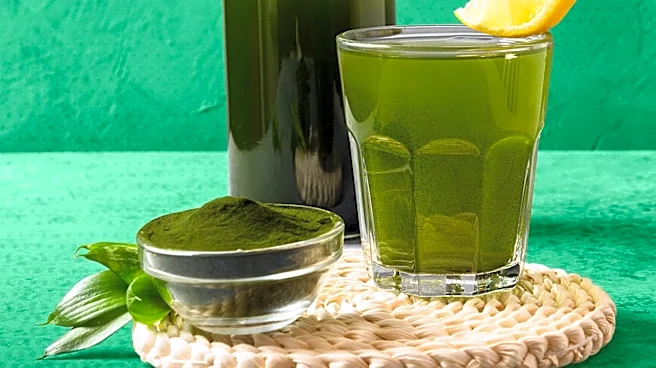
Functional beverages, defined as non-alcoholic drinks enhanced with bioactive ingredients that offer health benefits beyond basic hydration, are experiencing a significant surge in popularity. These beverages are formulated to address specific health needs,
such as boosting immunity, improving digestive health, enhancing mental focus, or replenishing electrolytes. Unlike traditional drinks, functional beverages contain added vitamins, minerals, probiotics, adaptogens, nootropics, or other beneficial compounds. The market growth is driven by increasing health awareness and lifestyle changes, with consumers prioritizing 'better-for-you' products and willing to pay more for drinks that support digestive health, immunity, and mental well-being. Key types include functional waters, sodas, RTD coffees/teas/energy drinks, kombucha, and sports/hydration drinks. Ingredients like probiotics, adaptogens (e.g., ashwagandha), nootropics, vitamins, minerals, protein, and fiber contribute to their functional properties.
Why It's Important?
The booming functional beverage market signifies a fundamental shift in consumer attitudes towards food and drink, viewing them not just as sustenance but as tools for health optimization. This trend has significant implications for the food and beverage industry, pushing manufacturers to innovate and incorporate more health-promoting ingredients. For consumers, it offers a convenient way to supplement their diets and address specific health concerns, but also necessitates careful label reading to avoid excessive sugar or caffeine and to ensure adequate concentrations of active ingredients. The rise of functional beverages reflects a broader societal move towards proactive health management and personalized nutrition, where individuals seek tailored solutions for their well-being. This market segment is poised for continued growth, influencing product development, marketing strategies, and retail placement across the industry.
What's Next?
The functional beverage market is expected to continue its rapid expansion, with ongoing innovation in ingredients, formulations, and delivery methods. Manufacturers will likely focus on developing new products that target specific health concerns, such as cognitive enhancement, sleep support, or anti-aging. We can anticipate increased research into the efficacy of various bioactive compounds and greater transparency in labeling to meet consumer demand for clear information. Retailers will likely expand their functional beverage sections, offering a wider variety of options. There may also be a trend towards more personalized functional beverages, potentially driven by advancements in AI and data analytics to match products to individual health profiles. Regulatory bodies may also increase scrutiny on health claims made by functional beverage brands to ensure accuracy and prevent misleading marketing.
Beyond the Headlines
The proliferation of functional beverages raises deeper questions about the medicalization of everyday consumption and the potential for over-reliance on packaged solutions for health. While these drinks offer convenience, they should not replace a balanced diet of whole foods, as experts caution. There's an ethical dimension concerning marketing claims, as consumers may be swayed by promises of enhanced performance or well-being without fully understanding the scientific backing or potential interactions of ingredients. The trend also highlights a growing desire for 'biohacking' – using diet and lifestyle to optimize bodily functions – which can be empowering but also lead to unrealistic expectations. As the market matures, there will be a need for greater consumer education to distinguish between genuinely beneficial products and those that are primarily marketing-driven, ensuring that functional beverages truly contribute to public health rather than just capitalizing on wellness trends.