





What's Happening?
Meta, the parent company of Facebook and Instagram, is set to face a significant trial in the United States, beginning with jury selection on August 12, 2026, in Oakland, California. The trial, brought by the attorneys general of California, Colorado,
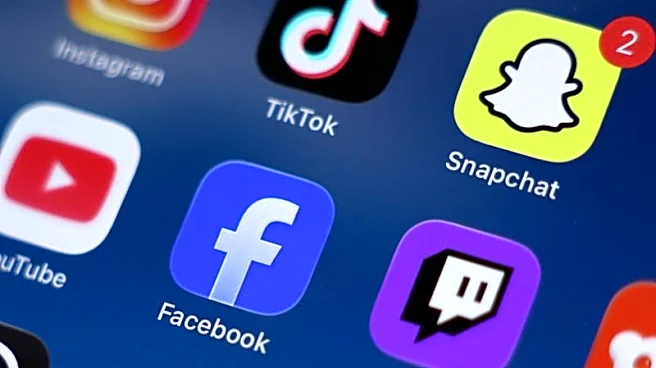
Kentucky, and New Jersey, accuses Meta of deliberately designing its platforms to be addictive for children. The states are seeking up to $1.4 trillion in penalties and demanding changes to how Instagram and Facebook operate for minors. This trial follows previous legal challenges where Meta was found liable for contributing to social media addiction among teenagers. The case is part of a broader scrutiny of social media companies, with similar lawsuits filed against TikTok, Snapchat, and YouTube.
Why It's Important?
The trial is pivotal as it addresses the growing concerns about the impact of social media on children's mental health. A ruling against Meta could lead to significant financial penalties and force the company to alter its platform features, potentially setting a precedent for other social media companies. The outcome could influence public policy and regulatory approaches towards tech companies, emphasizing the need for stricter controls on how these platforms engage with young users. The case also highlights the tension between tech companies and regulators over user safety and data protection, with potential implications for the industry's operational and business models.
What's Next?
If Meta loses the case, Judge Yvonne Gonzalez Rogers will determine the penalties, which could include substantial fines and mandated changes to platform operations. The trial's outcome may prompt other states to pursue similar legal actions, increasing pressure on social media companies to enhance user safety measures. Additionally, the case could influence ongoing legislative efforts to regulate tech companies more stringently, particularly concerning children's online safety. Meta's defense strategy will likely focus on industry-wide issues and free speech protections, but the trial's result could reshape the landscape for social media regulation in the U.S.