

What's Happening?
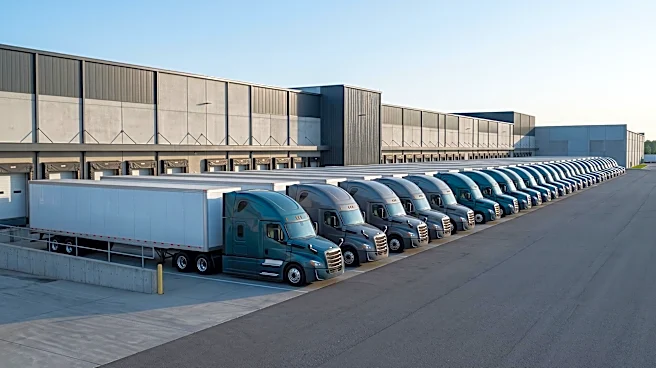
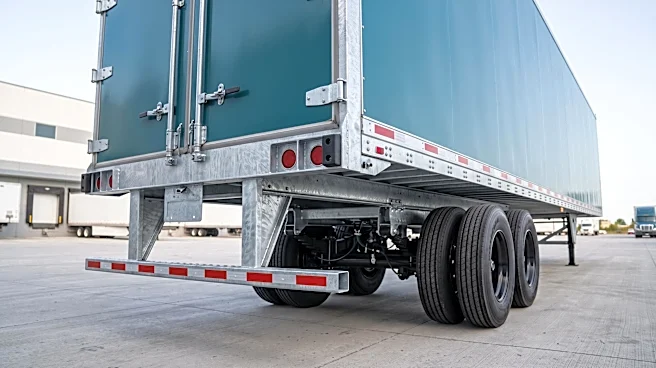
Werner Enterprises, a prominent international shipping company with numerous trucking service centers across the United States, has made a significant industry shift by adopting hot-dip galvanizing for all components of its trailer fleet. This move includes
not only the visible back frame but also the undercarriage, landing gear, and steps of their trailers. The decision comes after the company observed considerable corrosion on trailers less than two years old that had been treated with conventional paint systems. By switching to hot-dip galvanizing, Werner Enterprises aims to enhance the durability and appearance of its equipment, addressing a long-standing issue within the trucking industry regarding corrosion protection. This initiative marks a notable step for a major U.S. trucking company in prioritizing advanced corrosion resistance for its assets.
Why It's Important?
This adoption by Werner Enterprises is important because it signals a potential shift in industry standards for trailer manufacturing and maintenance within the U.S. trucking sector. Corrosion is a significant problem for trucking companies, leading to increased maintenance costs, reduced equipment lifespan, and potential safety concerns. By investing in hot-dip galvanizing, Werner is setting a precedent that could influence other major U.S. trucking companies to re-evaluate their own corrosion protection strategies. This could lead to a broader industry trend towards more durable and long-lasting equipment, ultimately reducing operational expenses and improving the overall efficiency of freight transportation. The move also highlights a growing awareness of the long-term benefits of advanced material protection in a demanding operational environment.
What's Next?
The successful implementation and long-term performance of Werner Enterprises' galvanized trailers will likely be closely monitored by other companies in the U.S. trucking industry. If the hot-dip galvanizing proves to significantly extend the lifespan of their trailers and reduce maintenance costs, it could prompt a wider adoption of this technology across the sector. This might lead to increased demand for galvanizing services and potentially influence trailer manufacturers to offer galvanized components as a standard option. Furthermore, this shift could encourage research and development into other advanced corrosion protection methods, fostering innovation within the commercial vehicle manufacturing and maintenance industries. The move could also impact the resale value of trailers, with galvanized units potentially commanding higher prices due to their enhanced durability.
Beyond the Headlines
Beyond the immediate operational and financial benefits, Werner Enterprises' decision reflects a deeper commitment to asset longevity and potentially, environmental sustainability. By extending the life of their trailers, the company can reduce the frequency of new equipment purchases and the associated manufacturing footprint. This move also underscores the economic value of preventative maintenance and material science in heavy industries. The initial investment in galvanizing, while potentially higher upfront, is expected to yield significant savings over the equipment's lifecycle, challenging the traditional cost-benefit analyses that often favor cheaper, less durable solutions. This could inspire a broader re-evaluation of material choices and maintenance philosophies across various industrial sectors in the U.S., emphasizing long-term value over short-term cost savings.