







What's Happening?
A new roadmap has been developed to decarbonise the phosphate and potash fertiliser industry, aiming to significantly reduce emissions by 2050. This initiative, created in collaboration with the European Bank for Reconstruction and Development (EBRD)
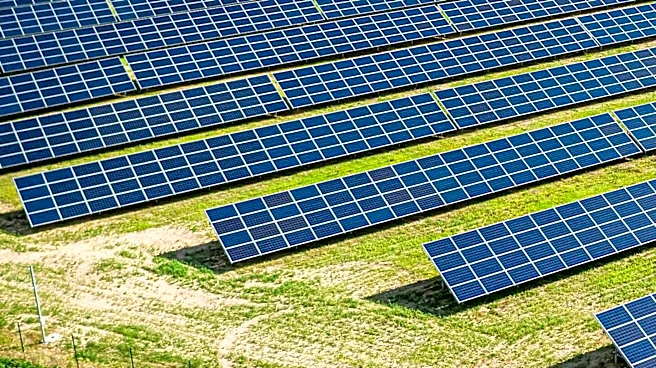
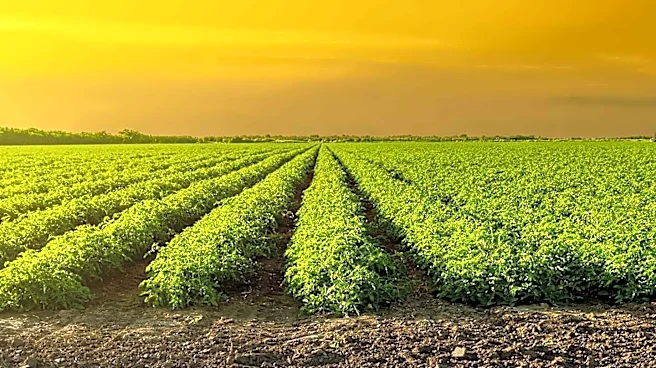
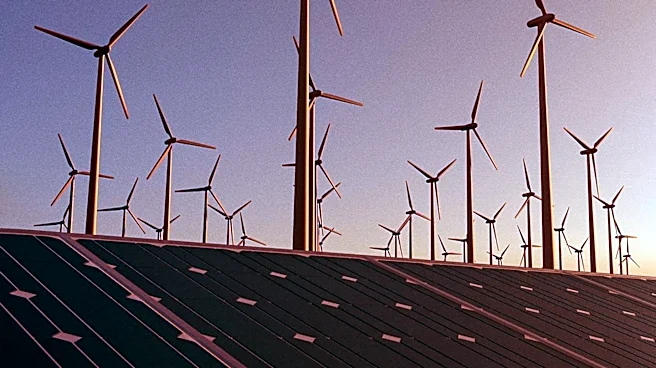
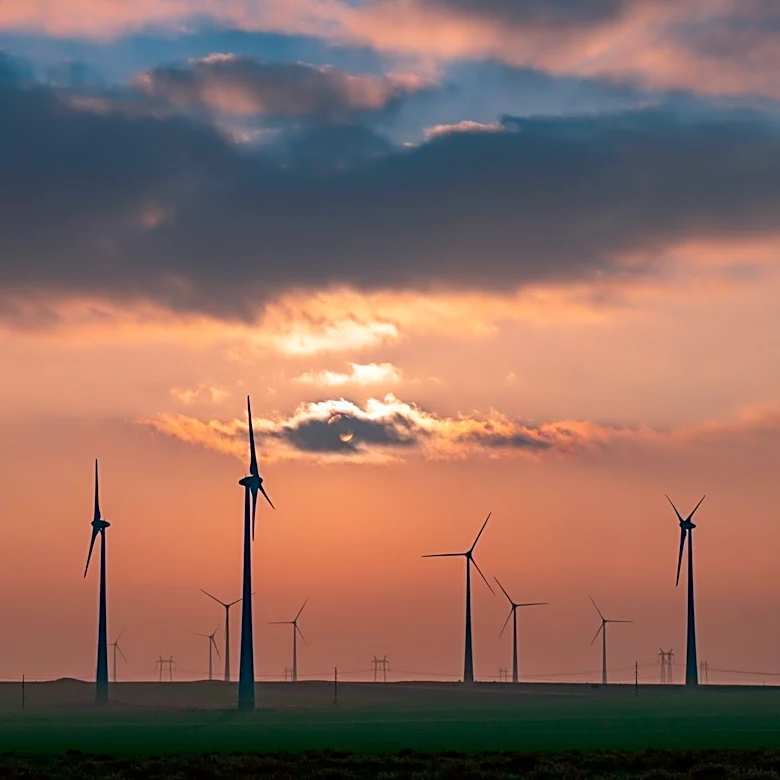
and the International Fertilizer Association (IFA), outlines strategies for agri-food companies, retailers, farmers, investors, and policymakers. The roadmap suggests that production emissions could be cut by almost 89% through large-scale changes in production systems and regulations. Key focus areas include renewable energy, nutrient use efficiency, process emissions, and sulphur management. The roadmap emphasizes the adoption of on-site renewable generators, clean electricity procurement, and low-carbon process heat as immediate actions. It also highlights the importance of precision farming tools and enhanced-efficiency fertilisers to maximize nutrient use efficiency.
Why It's Important?
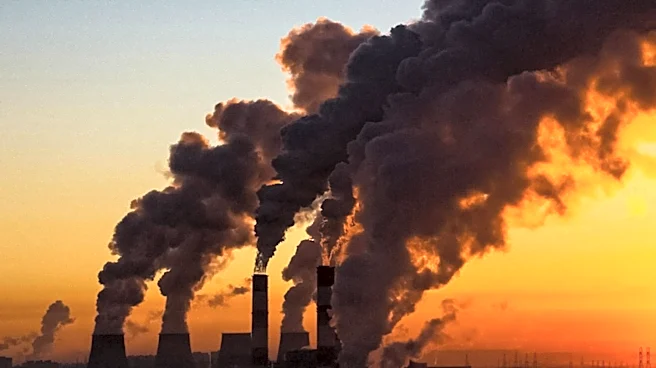
The decarbonisation of the phosphate and potash industry is crucial for maintaining global food security and stabilizing crop yields. Currently, the industry is set to generate 550 megatonnes of carbon dioxide equivalent by 2050, a 25% increase from today. The roadmap's implementation could help mitigate this environmental impact while ensuring food availability and preventing price surges. By transitioning to more sustainable practices, the industry can enhance its competitiveness and resilience in a rapidly changing world. This shift is also vital for achieving broader climate goals and reducing the sector's reliance on fossil fuels, which are currently integral to its operations.
What's Next?
The roadmap calls for significant investment, estimated between $235 billion and $320 billion globally, to achieve net-zero emissions by 2050. This includes upgrading production assets, adapting infrastructure, and establishing supportive policy environments. Policymakers are expected to play a critical role in creating conditions that encourage investment and innovation. As the industry moves towards decarbonisation, investors will be essential in scaling and deploying key solutions. The roadmap also suggests exploring alternatives to sulphur in fertiliser production to enhance industry resilience over the long term.