
What's Happening?
Magic Mouse Toys, recognized as Washington's oldest operating toy store, has permanently closed its doors after nearly five decades in Seattle's historic Pioneer Square. The storefront at 603 1st Ave.
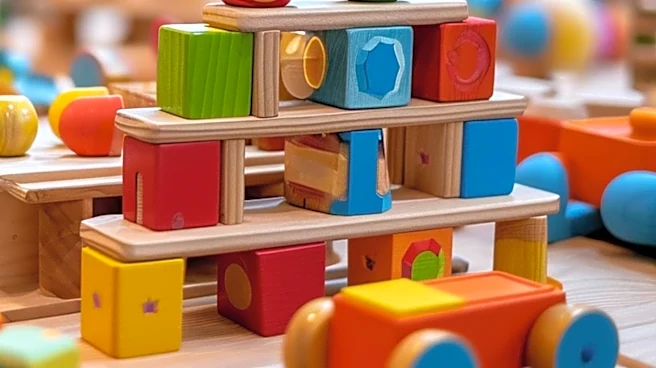
now has covered windows, and a notice posted on the door confirms the sudden shutdown, thanking customers for their patronage over 40-plus years without specifying a reason for the closure. The store, which opened in 1977 by Pamela and Walter Powers, occupied a two-story, 6,000-square-foot space within the Mutual Life Building. It was well-known for its extensive selection of classic toys, imported items, puzzles, board games, stuffed animals, and collectibles, serving generations of local residents and tourists. The abrupt closure has surprised and saddened long-time customers and neighborhood residents, who have taken to social media platforms like Reddit and Facebook to express their grief and recall memories of the iconic local institution.
Why It's Important?
The permanent closure of Magic Mouse Toys signifies the loss of a significant cultural and historical landmark in Seattle's Pioneer Square. As Washington's oldest operating toy store, its nearly 50-year presence contributed to the unique character and appeal of the neighborhood. The store served as a multi-generational destination, fostering a sense of community and nostalgia for many. Its disappearance reflects a broader trend of historic local businesses struggling to maintain operations, potentially impacting the economic and social fabric of urban areas. The absence of such an establishment can diminish the distinctiveness of a neighborhood, affecting local tourism and the overall experience for residents who valued its unique offerings and long-standing history. The closure also highlights the challenges faced by independent retailers in an evolving market landscape.
What's Next?
The immediate consequence of Magic Mouse Toys' closure is the void left in Seattle's Pioneer Square, both as a retail space and a community institution. The 6,000-square-foot space in the historic Mutual Life Building will likely become available for lease, potentially attracting new businesses to the area. However, finding a tenant that can replicate the unique appeal and longevity of Magic Mouse Toys may be challenging. The community's reaction on social media suggests a desire for the preservation of such historic businesses, which could prompt discussions among local government and community groups about supporting long-standing establishments. The closure may also encourage other local businesses to assess their own sustainability strategies in a competitive market. The long-term impact will depend on how the vacant space is utilized and whether new ventures can contribute to the neighborhood's identity in a meaningful way.
Beyond the Headlines
The closure of Magic Mouse Toys extends beyond a simple business shutdown; it represents a broader cultural shift and the ongoing challenges faced by traditional retail in the digital age. The store's nearly five-decade run speaks to a time when physical toy stores were central to childhood and community life, offering a tactile and experiential shopping environment. Its demise underscores the increasing pressure from online retailers and changing consumer habits, where convenience often trumps the unique experience of a brick-and-mortar store. This event also highlights the vulnerability of historic businesses, which often carry significant sentimental value but may struggle to adapt to modern economic realities. The collective mourning expressed by patrons on social media reflects a deeper societal concern about the erosion of local character and the loss of places that hold shared memories and contribute to a community's identity. It prompts reflection on the value placed on heritage and the efforts required to sustain it in rapidly evolving urban landscapes.