


What's Happening?
Pilates, a low-impact workout system developed by Joseph Pilates, emphasizes core strength, breath control, and precise alignment. It is known for building long, lean muscles and enhancing deep core support. The practice has evolved significantly from
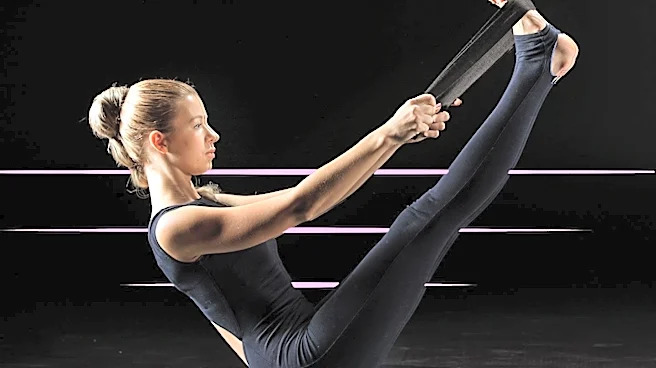
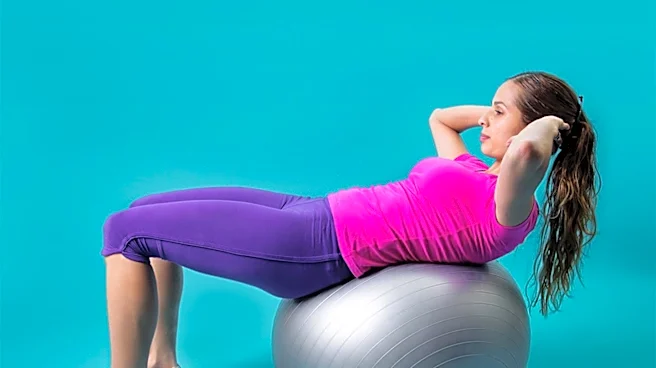
its original form, now encompassing various styles and equipment. Mat Pilates, the most accessible form, relies on body weight and gravity, often incorporating small props like resistance bands. Reformer Pilates utilizes a specialized machine with a sliding carriage and adjustable springs, providing resistance and support for a wider range of movements. Modern variations include high-intensity formats like Megaformer and X-former, which offer increased resistance and cardio-driven workouts, and specialty classes such as Hot Pilates, performed in heated rooms to elevate intensity. These diverse approaches cater to different fitness goals and preferences, from foundational alignment to advanced, challenging routines.
Why It's Important?
The evolution and diversification of Pilates are important because they make the practice accessible and appealing to a broader demographic, from beginners to advanced practitioners. The emphasis on core strength, flexibility, and joint protection offers significant health benefits, contributing to improved posture, balance, and overall physical well-being. For individuals seeking low-impact exercise, Pilates provides an effective alternative to high-impact workouts, reducing the risk of injury while still delivering a comprehensive full-body workout. The availability of both mat-based and equipment-based options, along with various intensity levels, allows individuals to tailor their fitness journey to their specific needs and physical conditions. This adaptability ensures that Pilates can support lifelong physical activity, addressing the unique requirements of different age groups and fitness levels, from building foundational strength in youth to maintaining mobility in older adults.
What's Next?
The trend of diversifying Pilates is likely to continue, with ongoing innovations in equipment and class formats. We can expect to see more fusion classes that blend Pilates principles with other fitness disciplines like strength training or cardio, offering hybrid workouts that cater to evolving fitness trends. Studios may further specialize, offering dedicated classes for specific populations, such as prenatal or postnatal Pilates, or programs focused on rehabilitation and injury prevention. The integration of technology, such as wearable fitness trackers and virtual classes, will also likely expand the reach of Pilates, making it more convenient for individuals to practice from home or track their progress. As awareness of the benefits of mindful movement grows, Pilates is poised to become an even more integral part of mainstream fitness and wellness routines.
Beyond the Headlines
Beyond its physical benefits, Pilates offers deeper implications for mental well-being and body awareness. The practice's focus on breath control and precise movements fosters a strong mind-body connection, which can reduce stress and improve mindfulness. This holistic approach contributes to enhanced self-esteem and body positivity, particularly for younger individuals. For older adults, Pilates can be crucial in maintaining independence and preventing falls by improving balance and alleviating joint discomfort. The controlled nature of the exercises also makes it a valuable tool for rehabilitation, helping individuals recover from injuries and manage chronic pain. As a discipline that emphasizes intentional movement and self-awareness, Pilates promotes a sustainable approach to health, encouraging individuals to listen to their bodies and cultivate a deeper understanding of their physical capabilities.