



What's Happening?
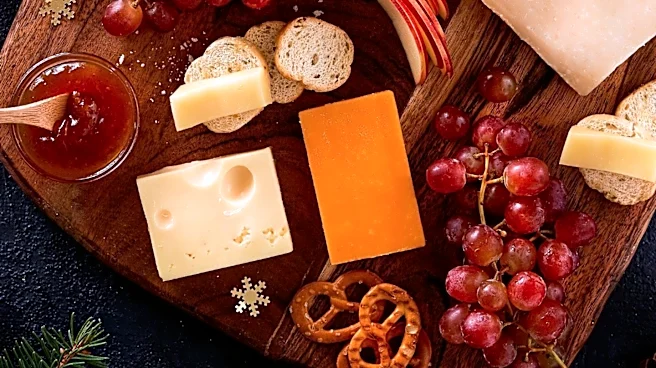
Quince paste, also known as ate de membrillo, is gaining recognition as a versatile ingredient for holiday entertaining in the U.S. This firm, sliceable preserve, made from quince fruit, offers a bright, sweet flavor that pairs well with cheeses and can
be incorporated into various appetizers. It is increasingly available in Latin American or Spanish grocery stores, specialty food shops, and national grocery chains like Kroger and Walmart, often found near specialty cheeses or in the international aisle. The paste can be used directly for slicing or warmed with a splash of juice to create a jammy, spreadable consistency. Recipes highlight its use in dishes such as garlicky cocktail sausages, Manchego crostini, and whipped ricotta with jalapeño, offering options for different types of gatherings from casual to festive.
Why It's Important?
The growing popularity and accessibility of quince paste in U.S. grocery stores signify a broadening of culinary tastes and an increased demand for unique, yet easy-to-use, ingredients for home entertaining. This trend impacts the food industry by encouraging retailers to diversify their product offerings and potentially boosting imports of quince-related products. For consumers, it provides new flavors and convenient options for holiday meal preparation, allowing for more sophisticated appetizers with minimal effort. The versatility of quince paste, moving beyond traditional cheese boards to savory and sweet applications, could also inspire further culinary innovation and experimentation in American kitchens, influencing food blogs, recipe development, and cooking trends.
What's Next?
As quince paste continues to gain traction, it is likely that more U.S. food manufacturers will explore incorporating it into pre-made appetizers or developing new products featuring the ingredient. Retailers may expand their stock of quince paste and related products, potentially offering different forms like jams or jellies more widely. Culinary publications and cooking shows are also expected to feature more recipes utilizing quince paste, further solidifying its place in American holiday traditions and everyday cooking. This could lead to increased demand for quince fruit, impacting agricultural supply chains and potentially encouraging domestic cultivation or expanded import agreements.
Beyond the Headlines
The embrace of quince paste reflects a broader cultural shift in the U.S. towards exploring and integrating international culinary traditions into mainstream American cuisine. This trend not only enriches the American palate but also fosters a greater appreciation for diverse food cultures. The ease of use and adaptability of quince paste make it an ideal candidate for this integration, bridging the gap between gourmet and accessible home cooking. Furthermore, the emphasis on 'unexpected ingredients' for 'easy appetizers' highlights a consumer desire for convenience without sacrificing quality or novelty, a key driver in the modern food market.