




What's Happening?
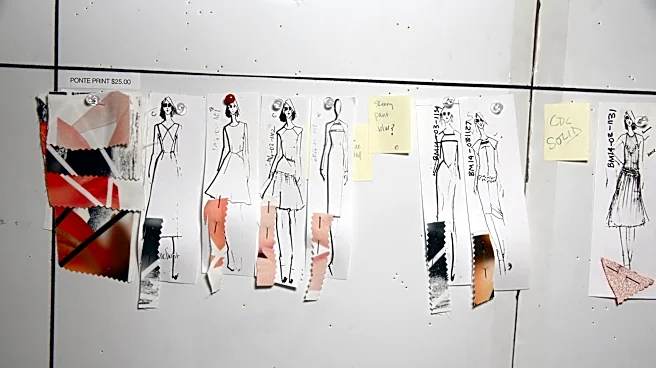
The fashion industry, particularly events like Copenhagen Fashion Week, is undergoing a significant transformation, embracing digital innovation and new business models. Traditional six-month lead times and exclusive physical presentations are being challenged.
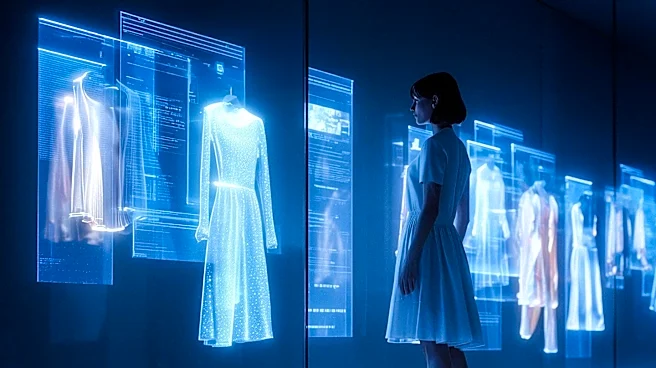
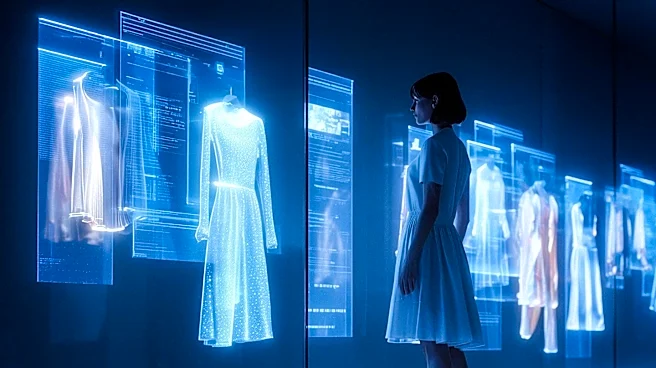
Brands such as Burberry and Tommy Hilfiger have pioneered 'See-Now-Buy-Now' collections, allowing immediate purchase of runway items, which fundamentally alters the traditional wholesale model. Virtual showrooms, augmented reality (AR) try-ons, and NFT collections are extending fashion weeks beyond physical constraints, reaching millions globally through livestreams and virtual experiences. Additionally, 'seasonless' and 'resort' collections are gaining prominence, providing brands with more frequent engagement opportunities throughout the year, beyond the conventional Spring/Summer and Autumn/Winter cycles. This shift aims to balance the spectacle of physical shows with the expansive reach of digital platforms.
Why It's Important?
This evolution in fashion week formats has profound implications for the U.S. fashion industry and its consumers. The 'See-Now-Buy-Now' model, if widely adopted, could significantly reduce the time lag between runway trends and retail availability, potentially increasing consumer engagement and impulse purchases. For U.S. retailers, this means a faster inventory turnover and the need for more agile supply chains. The rise of virtual experiences and NFTs opens new revenue streams and marketing avenues, allowing brands to connect with a broader, digitally-native audience. However, it also poses challenges to the exclusivity and brand positioning traditionally associated with high fashion. U.S. designers and brands must adapt to these digital-first strategies to remain competitive and relevant in a rapidly changing global fashion landscape, impacting everything from production cycles to marketing budgets.
What's Next?
The future of fashion weeks, including those in the U.S., will likely involve a continued balancing act between physical presentations and digital outreach. Brands will need to invest further in digital infrastructure and creative virtual experiences to maintain audience engagement. We can anticipate more hybrid events that combine in-person shows with extensive online components, offering both exclusivity and accessibility. The integration of technologies like AR and NFTs is expected to deepen, potentially leading to new forms of digital fashion and virtual commerce. This ongoing evolution will require continuous adaptation from designers, retailers, and consumers, shaping how fashion is presented, consumed, and experienced in the coming years.
Beyond the Headlines
The shift towards digital and 'See-Now-Buy-Now' models in fashion raises deeper questions about the industry's sustainability and accessibility. While digital presentations can reduce the environmental footprint associated with extensive travel and physical production, the rapid consumption encouraged by immediate availability could exacerbate fast fashion trends. Ethically, the increased accessibility might democratize fashion, but it also challenges the traditional luxury model built on exclusivity and scarcity. The rise of NFTs and virtual fashion introduces new intellectual property considerations and potential for digital ownership, blurring the lines between physical and virtual assets. This transformation is not just about technology; it's about redefining the cultural value and economic structure of the fashion industry itself.