







What's Happening?
The American Feed Industry Association (AFIA) and Feedstuffs have jointly named Ridley Feed Ingredients’ Mendota, Illinois, facility as the 2026 Feed Facility of the Year. This annual award acknowledges feed facilities that demonstrate exceptional performance
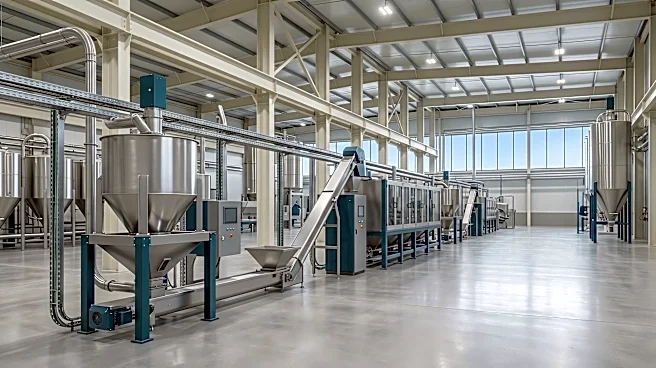
across various operational aspects, including quality and safety, productivity, regulatory compliance, employee development, and customer relations. The Mendota facility, managed by Corey LaBarge, produces over 43,000 tons of feed ingredients and premixes annually for multiple animal species. Originally built in 1960, the facility has undergone significant upgrades to support its operations and growth. The team at Mendota is noted for fostering a culture where employee safety, quality, operational excellence, and customer satisfaction are integral to their daily activities. They actively engage in continuous improvement initiatives and utilize data-driven decision-making through key performance indicators and trend analysis. Other semifinalists recognized in the program include Famo Feeds, Mountaire Farms, TransAgra International, Wayne-Sanderson Farms, and Western Milling, with Ridley Feed Ingredients also receiving the highest quality and food safety score.
Why It's Important?
This recognition highlights the critical role of feed manufacturing facilities in the U.S. agricultural sector, particularly in ensuring the quality and safety of animal feed. The emphasis on regulatory compliance, quality control, and employee development at facilities like Ridley Feed Ingredients directly impacts the health and productivity of livestock, which in turn affects the broader food supply chain and consumer confidence. The award also underscores the importance of continuous improvement and data-driven decision-making in modern manufacturing, setting a benchmark for operational excellence within the industry. Furthermore, the program's support for the AFIA Equipment Manufacturers Committee (EMC) scholarship fund is vital for nurturing future talent in the animal food industry, addressing the ongoing need for skilled professionals and innovation in this essential sector. The focus on quality and safety in feed production is paramount for maintaining animal welfare and preventing potential issues that could affect human health through the food chain.
What's Next?
The recognition of Ridley Feed Ingredients' Mendota facility as the Feed Facility of the Year is expected to further solidify its reputation within the animal food industry. The comprehensive benchmarking reports provided to participating facilities will offer valuable insights, potentially leading to further operational enhancements and continuous improvement efforts across the industry. The continued support for the AFIA Equipment Manufacturers Committee scholarship fund will likely contribute to the development of future leaders and innovators in animal food manufacturing, ensuring a pipeline of talent for the sector. Other facilities in the program, including the semifinalists, may leverage the insights gained from their participation to refine their own operations, fostering a competitive environment that drives overall industry standards higher. The industry will likely continue to see an emphasis on advanced manufacturing practices, data utilization, and employee engagement as key factors for success and recognition.
Beyond the Headlines
The award reflects a broader industry trend towards increased scrutiny and demand for transparency in the animal food supply chain. As consumers become more conscious about the origins and quality of their food, the standards upheld by feed manufacturers gain greater significance. The focus on employee involvement in continuous improvement and data-driven decision-making at facilities like Mendota points to an evolving corporate culture within manufacturing, where human capital and technological integration are seen as crucial for achieving excellence. This shift not only enhances operational efficiency but also contributes to a more resilient and adaptable industry capable of responding to emerging challenges, such as new regulatory requirements or market demands for sustainable practices. The investment in education through scholarship funds also signals a long-term commitment to innovation and scientific advancement in animal nutrition, which is essential for addressing global food security and environmental sustainability.