



What's Happening?
Hyundai Motor has announced ambitious plans to expand its U.S. hybrid vehicle lineup and increase global production capacity by 1.27 million units by 2030, with 500,000 units specifically for North America. The South Korean automaker aims to launch or refresh
over 100 vehicles globally by 2030, with more than half designated for North America. This strategy includes introducing 10 hybrid models in North America by 2030, with hybrids projected to account for half of regional sales. Hyundai's move is a direct response to strengthening demand for fuel-efficient vehicles, particularly hybrids, in the U.S., partly driven by higher gasoline prices. The company also raised its 2030 consolidated operating profit margin target to above 9% and reaffirmed its goal of 5.55 million global vehicle sales by 2030, with electrified vehicles making up 60% of sales.
Why It's Important?
Hyundai's aggressive expansion into the U.S. hybrid market is a significant development for the automotive industry and American consumers. It signals a strategic shift by a major global automaker to capitalize on evolving consumer preferences and environmental concerns. The increased availability of hybrid models will offer U.S. buyers more choices for fuel-efficient vehicles, potentially reducing their transportation costs and carbon footprint. This move will intensify competition within the hybrid and electrified vehicle segments, pushing other manufacturers to innovate and expand their own offerings. For the U.S. economy, Hyundai's planned production capacity increase in North America could lead to job creation and investment in manufacturing facilities. However, the expansion also faces potential trade policy risks from the ongoing review of the U.S.-Mexico-Canada Agreement (USMCA), which could impact duty-free access for vehicles and parts, adding a layer of uncertainty to Hyundai's long-term investment plans.
What's Next?
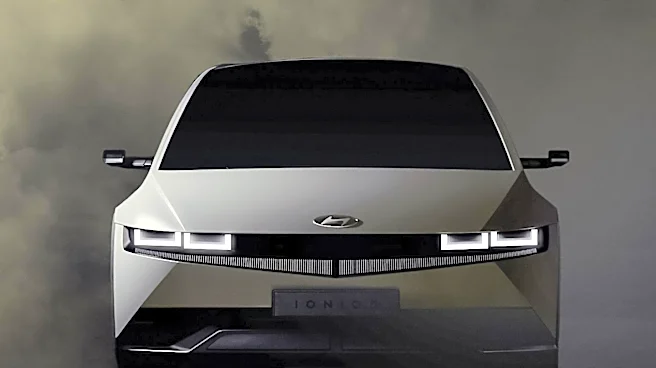
Hyundai will proceed with its product offensive, introducing new hybrid models and refreshing existing ones in the U.S. market. Consumers can expect to see a wider range of Hyundai hybrid options available at dealerships. The company will also continue to monitor gasoline price trends and consumer demand to adjust its production and marketing strategies accordingly. The U.S. government's review of the USMCA will be a critical factor for Hyundai's North American manufacturing plans, and the outcome could influence the company's investment decisions. Additionally, Hyundai's broader plans to diversify into robotics, autonomous driving, and robotaxis indicate a long-term vision to become a comprehensive mobility provider, with initial deliveries of IONIQ 5 vehicles for robotaxis expected in late 2026 and U.S. robot production starting in 2028.
Beyond the Headlines
Hyundai's strategic pivot towards hybrids in the U.S. reflects a broader global trend of automakers navigating the transition from internal combustion engines to electrified powertrains. While fully electric vehicles often capture headlines, hybrids offer a practical and accessible stepping stone for many consumers, providing improved fuel economy without the range anxiety or charging infrastructure concerns associated with EVs. This strategy acknowledges the diverse needs and readiness of the U.S. market for electrification. Furthermore, Hyundai's foray into robotics and autonomous driving signifies a recognition that the automotive industry is evolving beyond just manufacturing cars. It's becoming a technology-driven sector focused on integrated mobility solutions. This holistic approach could position Hyundai as a leader in future transportation, but also presents challenges in terms of technological development, regulatory compliance, and market acceptance for these emerging technologies.