





What's Happening?
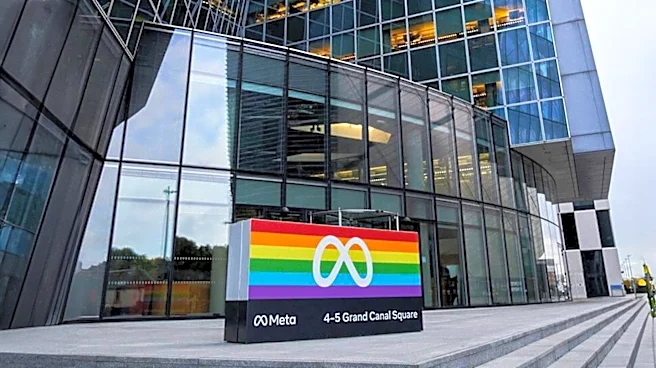
A teenage boy from Panama City, Florida, known in court documents as R.K.C., has withdrawn his social media addiction lawsuit against Meta Platforms Inc. just before the trial was set to begin. This case was part of a larger mass tort litigation in Los
Angeles, where social media companies are facing over 3,000 individual lawsuits. The withdrawal follows a previous jury award of $6 million to another plaintiff in a similar case. R.K.C. alleged that his use of social media from the age of eight led to severe mental health issues, including addiction and depression. Despite the withdrawal, seven more trials are scheduled in the initial tranche of cases. Meta, along with other companies like YouTube and TikTok, has been involved in settlements with the boy's family, although Meta did not make any payment in this instance.
Why It's Important?
The withdrawal of this lawsuit is significant as it highlights the ongoing legal challenges faced by social media companies regarding the alleged addictive nature of their platforms. The outcome of these cases could have far-reaching implications for the industry, potentially leading to increased regulation and changes in how these platforms operate. The perception of social media as addictive could influence user behavior and prompt legislative action. Meta's focus on appealing a previous jury verdict underscores the high stakes involved, as the company seeks to defend itself against claims that could set a precedent affecting its business model and legal responsibilities.
What's Next?
Meta will continue to face legal challenges, with upcoming trials in California and Tennessee. The company is also appealing a previous jury verdict, with the appeal expected to focus on First Amendment rights and Section 230 of the Communications Decency Act. These legal battles will test the boundaries of liability for social media companies and could influence future litigation and regulatory measures. The outcomes of these cases will be closely watched by industry stakeholders and could shape the future landscape of social media regulation.