




What's Happening?
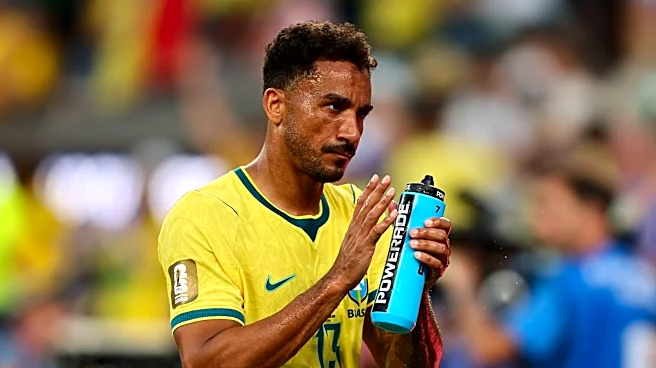
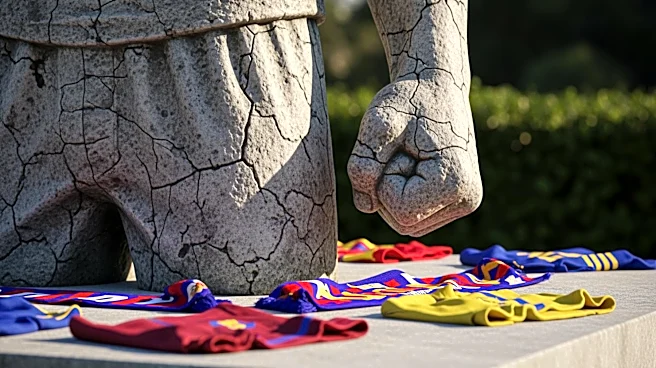
Brazilian soccer fans visiting Philadelphia for the World Cup have been advised against dressing the iconic Rocky statue in team gear. This warning comes after Ecuador fans previously dressed the statue, only for their team to suffer a defeat. The Rocky statue, located
at the Philadelphia Museum of Art, is a popular tourist attraction and has become a symbol of resilience. Historically, sports fans have dressed the statue in their team colors, often resulting in a loss for their team. The Green and Yellow Movement, a Brazilian fan group, issued a warning on Instagram, urging fans to refrain from placing a Brazil shirt on the statue. The message was clear: 'It’s totally forbidden to put a Brazil shirt on the Rocky statue in Philly!' Fans have respected this advice, opting instead to take photos with the statue without altering its appearance.
Why It's Important?
The adherence to the warning by Brazilian fans highlights the cultural significance and superstitions associated with the Rocky statue. The statue is not only a symbol of Philadelphia but also a representation of the underdog spirit, much like the fictional character it depicts. The decision by fans to respect the statue's original form underscores the influence of cultural icons in sports and tourism. This incident also reflects the broader impact of sports superstitions on fan behavior and team morale. By avoiding the 'Rocky curse,' Brazilian fans hope to maintain positive momentum for their team in the World Cup. The event also emphasizes the role of social media in disseminating cultural norms and warnings, as seen with the viral Instagram post from the fan group.
What's Next?
As the World Cup progresses, Brazilian fans will continue to support their team while respecting local customs and superstitions. The outcome of Brazil's matches will likely influence fan behavior and adherence to superstitions. If Brazil performs well, it may reinforce the belief in the 'Rocky curse' and similar superstitions. Additionally, the Philadelphia Museum of Art and local authorities may continue to monitor the statue to ensure it remains undisturbed. The broader cultural exchange between visiting fans and local traditions will persist, potentially leading to further interactions and shared experiences.
Beyond the Headlines
The Rocky statue incident highlights the intersection of sports, culture, and superstition. It raises questions about the power of cultural symbols and their impact on collective behavior. The event also illustrates how local traditions can influence international visitors, fostering a sense of respect and understanding. Furthermore, it showcases the role of social media in shaping public perception and behavior, as the warning spread quickly among fans. This incident may prompt discussions about the preservation of cultural landmarks and the responsibilities of tourists in respecting local customs.