

What's Happening?
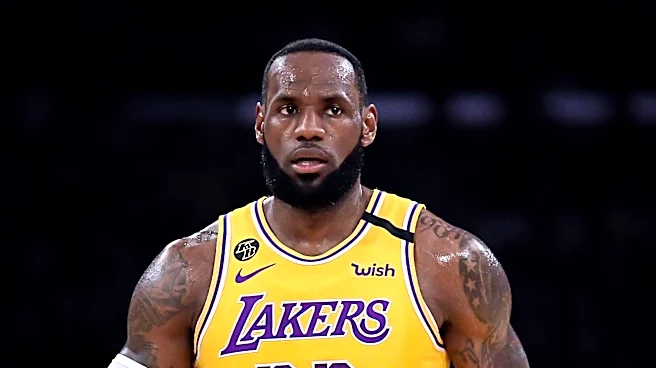
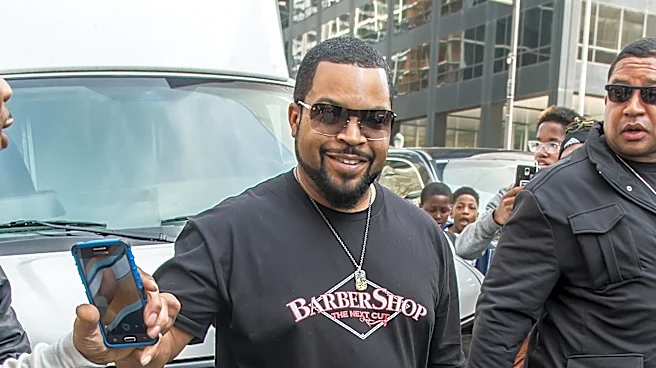
Hip-hop icon, actor, and BIG3 founder Ice Cube has weighed in on the public exchange between LeBron James, his son Bronny, and sports analyst Stephen A. Smith. Ice Cube stated that he refuses to take a side in the matter, viewing the friction not as a conflict
of right versus wrong, but as two individuals fulfilling their respective roles. He acknowledged LeBron James's natural instinct as a father to defend his child, while also recognizing Stephen A. Smith's professional responsibility to critique college and professional basketball players, including high school athletes. Ice Cube emphasized that public scrutiny is an inherent aspect of professional sports. He sees their exchange as a normal part of high-stakes public discourse, where individuals sometimes need to express their opinions, listen, or respond. However, Ice Cube drew a firm line against the dispute escalating into a physical altercation, stating that such an outcome would be unacceptable and that no one would be in the right.
Why It's Important?
Ice Cube's commentary provides a significant perspective on the dynamics between public figures, media scrutiny, and family in the realm of professional sports. His neutral stance highlights the complexities of these interactions, where personal protective instincts clash with professional obligations. This situation underscores the intense pressure and constant public evaluation faced by athletes and their families, particularly when a family member enters the spotlight. For sports media, it reinforces the ethical considerations involved in critiquing individuals, especially those who are still developing or are related to established stars. The discussion also touches upon the broader societal implications of public discourse, where differing opinions are common, but physical confrontation is deemed unacceptable. This event serves as a case study for understanding the boundaries and expectations placed on public figures and those who comment on them.
What's Next?
While Ice Cube's comments offer a measured perspective, the broader conversation around media scrutiny of athletes' families, particularly young athletes, is likely to continue. This incident may prompt further discussions within sports media about the appropriate level of critique for high school or college-aged players and the impact such commentary can have on their development and well-being. Athletes and their representatives might become more vocal in advocating for boundaries regarding their families' privacy and protection from undue public pressure. Conversely, sports analysts may continue to assert their role in providing critical commentary across all levels of professional and pre-professional sports. The ongoing dialogue will likely shape future interactions between sports figures, their families, and the media, potentially leading to evolving norms in sports journalism and public engagement.
Beyond the Headlines
This incident transcends a simple disagreement, touching upon fundamental aspects of celebrity, family, and the public sphere. It highlights the unique challenges faced by children of famous individuals, who often inherit a degree of public scrutiny without choosing it. Ice Cube's emphasis on 'everybody doing what they're supposed to do' points to the inherent tension between personal roles (like being a protective father) and professional roles (like being a critical analyst). This dynamic is a microcosm of broader societal debates about privacy in the digital age, the ethics of public commentary, and the responsibilities that come with influence. The discussion also implicitly raises questions about the commodification of personal lives in entertainment and sports, and the fine line between legitimate critique and intrusive commentary. Ultimately, it underscores the ongoing negotiation of boundaries in a hyper-connected world where public and private lives frequently intersect.