




What's Happening?
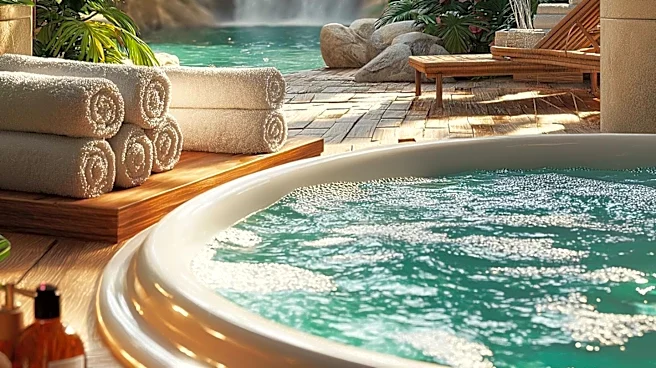
Dior Beauty is significantly expanding its luxury spa offerings to incorporate Pilates instructors and sleep experts, moving beyond traditional beauty treatments. This strategic shift aims to cater to a growing consumer demand for holistic well-being,
where physical and emotional health are integrated into luxury lifestyles. The brand's initiative reflects a broader industry trend where beauty is no longer solely about appearance but also encompasses movement, rest, and recovery. By introducing services like Pilates and sleep coaching, Dior is positioning itself to compete not only with other beauty brands but also with luxury hotels and wellness retreats, blurring traditional category boundaries. This expansion is driven by the understanding that consumers increasingly seek experiences that contribute to their overall sense of feeling good, rather than just looking good. The move signifies a redefinition of luxury, emphasizing personal meaning, restoration, and expert care as valuable components of a high-end lifestyle.
Why It's Important?
This development is important as it signals a significant evolution in the luxury market, particularly within the beauty and wellness sectors. For U.S. consumers, it means access to more comprehensive and integrated wellness experiences from established luxury brands. This trend could influence how other high-end brands structure their offerings, potentially leading to a wider availability of holistic health services. Economically, it opens new revenue streams for luxury brands and creates opportunities for professionals in fields like Pilates and sleep science to partner with these brands. The shift also highlights a changing consumer mindset, where investments in self-care and well-being are becoming as crucial as material possessions. This could lead to increased spending in the wellness economy, impacting industries from fitness and hospitality to personal care and technology, as companies strive to meet the demand for integrated well-being solutions.
What's Next?
In the immediate future, other luxury brands are likely to observe Dior's success in this expanded wellness space and may follow suit, leading to a more competitive and diverse luxury wellness market. Consumers can expect to see more integrated offerings that combine beauty, fitness, and mental well-being. This could involve partnerships between luxury brands and wellness experts, or the development of in-house wellness programs. The focus will likely remain on personalized experiences that cater to individual needs for restoration and self-care. Furthermore, the emphasis on 'feeling good' over 'looking good' could drive innovation in product development and service delivery, with a greater focus on measurable well-being outcomes. This trend may also influence the design of luxury retail spaces, transforming them into experiential hubs that offer a range of wellness activities alongside traditional product sales.
Beyond the Headlines
The deeper implication of Dior's move is the cultural redefinition of luxury itself. Traditionally, luxury has been associated with visible displays of wealth and status through possessions. However, this shift towards experiential wellness suggests that luxury is increasingly becoming about internal well-being, personal growth, and the quality of one's life experience. This could lead to a more introspective and meaningful form of consumerism, where value is placed on intangible benefits like peace of mind, physical vitality, and emotional balance. Ethically, it raises questions about accessibility, as these high-end wellness services may remain exclusive to a privileged few. Culturally, it reflects a growing societal awareness of the importance of holistic health and self-care, potentially influencing broader lifestyle trends and encouraging individuals to prioritize their well-being in a more comprehensive manner. This evolution could also challenge traditional marketing strategies, requiring brands to communicate emotional and experiential outcomes rather than just product features.