








What's Happening?
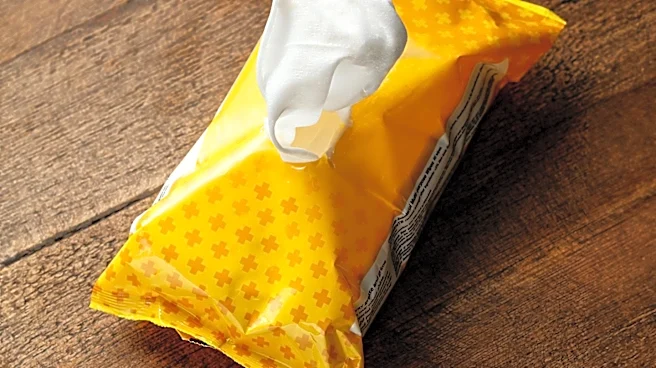
Consumer Reports conducted an investigation into chemicals in popular baby products, yielding largely reassuring results for many common essentials. The testing focused on concerns about chemicals like PFAS, BPA, lead, and phthalates. None of the 19 baby wipe
products tested showed detectable levels of PFAS compounds. Similarly, 10 baby lotions were found to be free of detectable PFAS or lead. In tests of nine popular baby bottles, no detectable BPA, lead, or regulated phthalates were found. All 20 pacifiers tested passed chemical screening for total lead, nitrosamines, bisphenol S, and phthalates. Despite these positive findings, Consumer Reports still advises reducing children's exposure to PFAS whenever possible. This includes avoiding products labeled as "waterproof" or "stain-resistant," as well as those containing chemical flame retardants, as these are potential sources of PFAS. The organization also recommends choosing fragrance-free and simpler formulas for baby wipes and lotions, noting that babies' thinner skin can absorb chemicals more easily.
Why It's Important?
This investigation is important for U.S. parents and caregivers who are increasingly concerned about chemical exposure from everyday products. The reassuring results for many common baby essentials can alleviate some anxieties, indicating that many manufacturers are adhering to safety standards regarding harmful chemicals like BPA, lead, and regulated phthalates. However, the continued presence of PFAS in some products, particularly those with "waterproof" or "stain-resistant" labels, highlights an ongoing public health challenge. PFAS are known as 'forever chemicals' due to their persistence in the environment and potential links to various health concerns, including developmental problems and certain cancers. Consumer Reports' guidance empowers consumers to make more informed purchasing decisions, thereby reducing potential exposure to these persistent chemicals and promoting safer environments for infants. The findings also underscore the need for continued vigilance and regulatory oversight in the baby product industry.
What's Next?
Consumer Reports will likely continue to monitor and test baby products for harmful chemicals, adapting to new scientific findings and emerging concerns. The organization's recommendations for avoiding products with "waterproof" or "stain-resistant" labels could influence consumer demand and, consequently, product development and manufacturing practices. Manufacturers may face increased pressure to innovate and offer PFAS-free alternatives for these product categories. Additionally, the emphasis on fragrance-free and simpler formulas for wipes and lotions suggests a trend towards more minimalist and natural baby care options. Regulatory bodies may also consider these findings when reviewing and updating chemical safety standards for children's products, potentially leading to stricter regulations on PFAS and other substances. Public awareness campaigns about chemical exposure in baby products are also likely to continue, guiding parents in making safer choices.
Beyond the Headlines
The Consumer Reports investigation touches upon broader societal and environmental issues related to chemical manufacturing and consumer safety. The persistence of PFAS in the environment and their potential health impacts represent a significant long-term challenge, extending beyond baby products to water sources, food packaging, and other consumer goods. This highlights the need for systemic changes in chemical production and waste management. The findings also reflect a growing consumer demand for transparency and safety in product ingredients, pushing industries towards more sustainable and health-conscious practices. The advice to choose glass or silicone bottles to reduce microplastic exposure points to another emerging environmental and health concern. Ultimately, this report contributes to a larger conversation about environmental health, corporate responsibility, and the role of consumer advocacy in shaping safer product landscapes for future generations.