








What's Happening?
To support gut health and its connection to the immune system, individuals are advised to adopt several key lifestyle practices. These include consuming a fiber-rich diet, prioritizing quality sleep, engaging in regular physical activity, and effectively
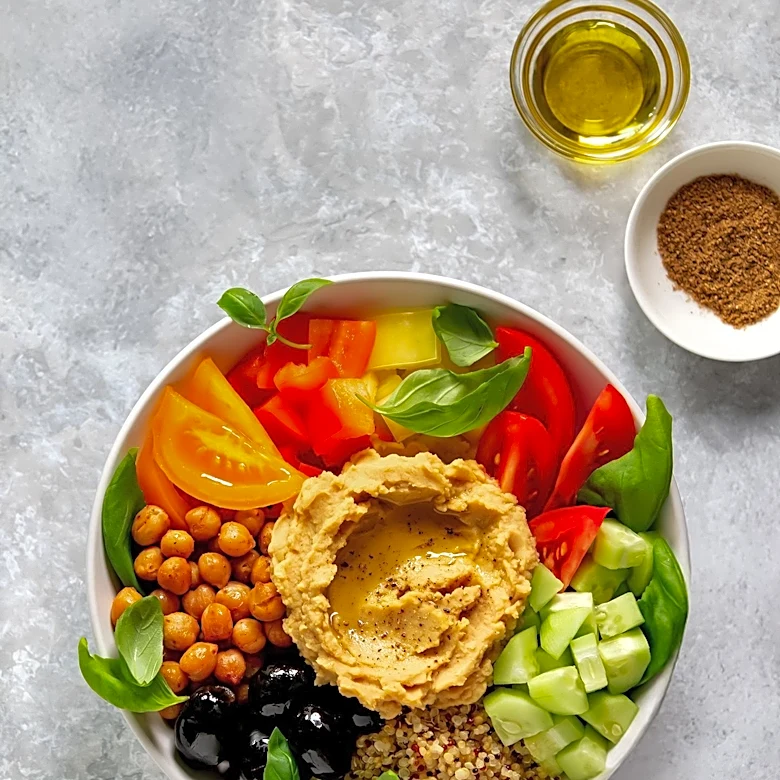
managing chronic stress. A fiber-rich diet should incorporate fruits, vegetables, whole grains, and legumes, which nourish beneficial gut bacteria. Fermented foods like curd or buttermilk are also recommended. Balancing protein intake with sufficient fiber and avoiding excessive protein consumption without adequate fiber is crucial. Limiting ultra-processed foods is another important aspect of maintaining gut health. The gut-immune axis, a communication network between the gut microbiome, intestinal barrier, and immune system, plays a significant role in regulating immune signaling and inflammatory balance. The gut microbiome, an ecosystem of microorganisms in the digestive tract, influences immune regulation, digestion, and overall health. The intestinal lining acts as a protective barrier, absorbing nutrients and containing unwanted compounds, while also supporting communication between the microbiome and immune system. Research indicates that stress, poor sleep, diet, and lifestyle habits can all influence this gut-immune connection.
Why It's Important?
The emphasis on lifestyle choices for gut health is important because a healthy gut directly contributes to a robust immune system and overall wellness. The gut-immune axis highlights that immune function is not solely about fighting infections but is deeply intertwined with digestive health. By adopting these lifestyle changes, individuals can enhance their body's natural systems, rather than relying solely on 'boosting' immunity. This approach can lead to improved immune resilience, better digestive function, and a more balanced inflammatory response. For the U.S. population, where chronic diseases and stress are prevalent, integrating these practices can have a significant public health impact, potentially reducing the burden of illness and improving quality of life. The focus on whole foods and stress management also aligns with broader public health goals of promoting preventative care and sustainable health practices. Understanding this connection empowers individuals to make informed decisions about their daily habits, leading to long-term health benefits.
What's Next?
The ongoing research into the gut-immune axis will likely continue to uncover more detailed mechanisms and specific dietary and lifestyle interventions. This could lead to more personalized recommendations for individuals based on their unique gut microbiome profiles. We can anticipate further development in the understanding of prebiotics, probiotics, and postbiotics, and how they can be effectively integrated into a wellness routine. Public health campaigns and healthcare providers may increasingly emphasize these lifestyle factors as foundational elements of immune support and overall health. Businesses in the food and wellness industries are also likely to innovate, offering more products that support gut health, such as fiber-enriched foods and supplements. Educational initiatives will be crucial to help the public understand the science behind these recommendations and how to implement them practically in their daily lives. The shift from simply 'boosting' immunity to supporting the body's natural systems through holistic lifestyle changes is expected to gain further traction.
Beyond the Headlines
The deeper implications of this focus on gut health extend to a more holistic understanding of human physiology, moving beyond a reductionist view of individual body systems. It underscores the interconnectedness of diet, mental well-being (stress management), physical activity, and sleep with fundamental biological processes like immunity. This perspective challenges the conventional approach of treating symptoms in isolation and instead promotes a comprehensive strategy for health maintenance. Ethically, it places greater responsibility on individuals for their health outcomes through daily choices, while also highlighting the need for accessible, affordable, and nutritious food options. Culturally, it could lead to a greater appreciation for traditional diets rich in fiber and fermented foods, and a re-evaluation of modern dietary patterns dominated by ultra-processed items. Long-term, this shift could foster a society that prioritizes preventative health and well-being, potentially reducing healthcare costs and improving overall societal resilience against various health challenges.