



What's Happening?
The adventure travel industry is undergoing a significant transformation, moving away from traditional sightseeing towards more customized, immersive, and participatory experiences. The Adventure Travel Trade Association (ATTA) highlights a growing interest
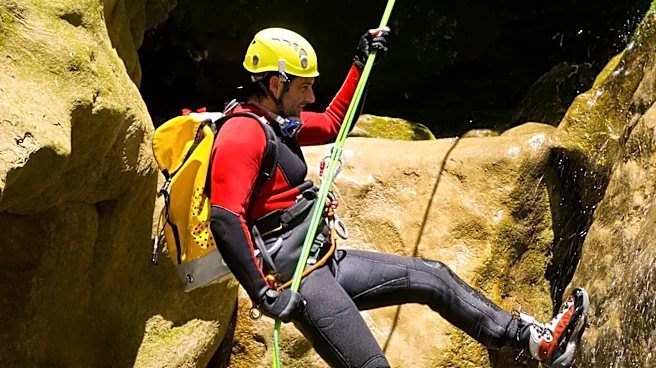
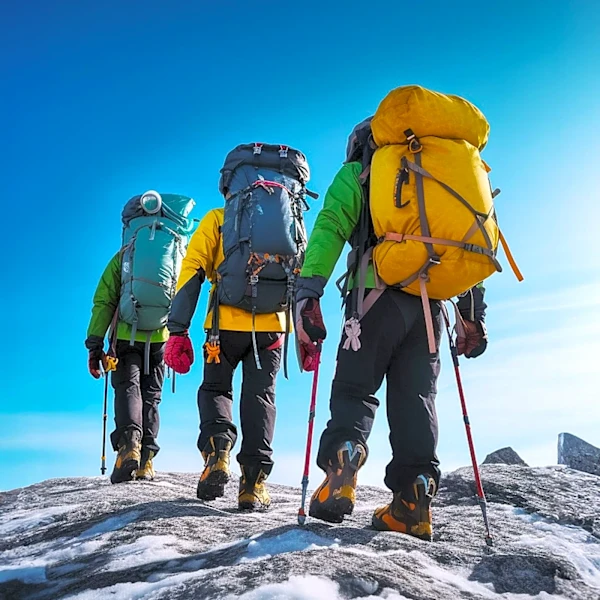
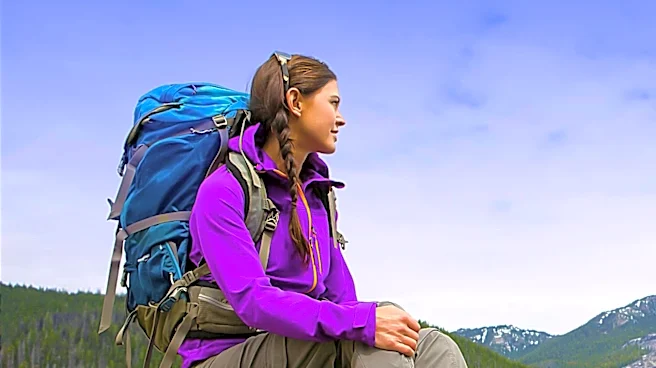
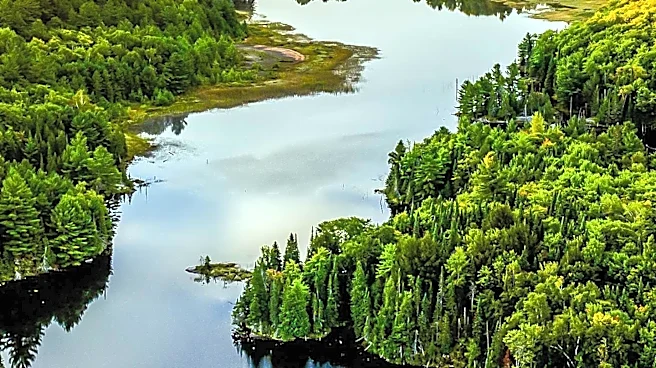
in 'soft-adventure' trips that prioritize active engagement over passive observation. This shift is characterized by several emerging trends. 'Coolcations' are drawing travelers to colder climates and high-latitude destinations, such as Alaska for Northern Lights and glacier excursions, or alpine regions in the U.S. Mountain West. Another key trend is 'slow travel,' which involves multi-modal itineraries combining activities like cycling, hiking, and cruising, allowing for a more flexible and active exploration of destinations. Furthermore, 'sight-doing' is replacing conventional sightseeing with skills-based activities, including white-water rafting and technical mountain biking. Travelers are also increasingly seeking deeper immersion in remote wilderness settings through 'lore chasing,' and opting for heritage ranch holidays that offer digital detoxes and authentic Western experiences, often involving horseback riding on historic properties. These evolving preferences indicate a demand for travel that integrates physical activity, local culture, and sustainability.
Why It's Important?
This shift in adventure travel has significant implications for the U.S. tourism industry and related sectors. The rise of 'coolcations' could boost tourism in U.S. states with colder climates and natural attractions, such as Alaska and the Mountain West, creating economic opportunities for local businesses and tour operators. The emphasis on 'slow travel' and 'sight-doing' suggests a growing market for specialized tour companies and activity providers that can offer unique, skill-based experiences. This trend also presents challenges and opportunities for insurance providers, who must reassess risk exposure and emergency support requirements for increasingly individualized and potentially more adventurous itineraries. The demand for 'digital detoxes' and authentic experiences, as seen in heritage ranch holidays, could revitalize rural economies and promote cultural preservation. Overall, the evolving expectations of travelers necessitate adaptation from the industry, pushing for more sustainable practices and tailored offerings that cater to a desire for deeper engagement and personal growth rather than just observation.
What's Next?
In response to these evolving trends, the adventure travel sector is expected to continue developing more specialized and bespoke itineraries. Tour operators and travel agencies will likely focus on creating unique packages that combine physical activities, cultural immersion, and sustainable practices. Insurance companies will need to innovate their offerings to adequately cover the increased risks associated with 'sight-doing' and remote wilderness exploration, potentially leading to new policy types or adjustments to existing ones. Destinations in the U.S. with natural attractions and opportunities for active engagement, particularly those in cooler climates or rural areas, may see increased investment in infrastructure and services to accommodate these new traveler preferences. The industry will also need to address the logistical challenges of providing support in remote environments and ensuring traveler safety during skills-based activities. Furthermore, marketing efforts will likely shift to highlight the immersive and participatory aspects of travel, appealing to a demographic that values experience and personal development over traditional tourism.
Beyond the Headlines
The move towards bespoke and skills-led adventure travel reflects a broader cultural shift in how individuals perceive leisure and personal development. This trend goes beyond mere recreation, tapping into a desire for authenticity, self-improvement, and a deeper connection with the environment and local cultures. The emphasis on 'sight-doing' and 'lore chasing' suggests a rejection of superficial tourism in favor of experiences that offer tangible skills, knowledge, or a profound sense of place. This could lead to a re-evaluation of what constitutes 'value' in travel, moving beyond cost to encompass personal enrichment and transformative experiences. Ethically, this shift could encourage more responsible tourism practices, as travelers seeking deeper connections may be more inclined to support local communities and minimize their environmental impact. It also highlights a growing desire among consumers to disconnect from digital life and engage with the physical world, potentially influencing broader trends in wellness and lifestyle choices.