








What's Happening?
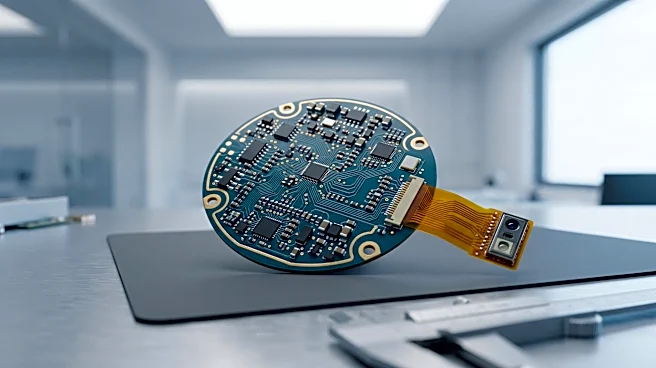
Qualcomm announced the Snapdragon Sound Elite Gen 2 chip at its Snapdragon Summit in Hawaii. This new chip is designed to integrate advanced Artificial Intelligence (AI) capabilities into various audio wearables, including earbuds, headphones, and audio glasses.
The Snapdragon Sound Elite Gen 2 boasts a 30% smaller footprint, double the AI processing power, and up to 40% lower power consumption compared to its predecessor. Qualcomm envisions this chip enabling a new generation of 'hearables' that offer enhanced features such as improved sound quality, intelligent environmental adaptation (e.g., lowering music volume for approaching sirens), real-time translation, and multimodal interactions combining audio with other sensors like cameras. The chip also features direct-to-cloud connectivity via micro-power Wi-Fi 6E, Qualcomm aptX Lossless for high-fidelity audio, and Qualcomm XPAN for extended connectivity range. AI is also being utilized to improve active noise cancellation, speech capture, and voice clarity through advanced multi-microphone support.
Why It's Important?
The introduction of the Snapdragon Sound Elite Gen 2 chip signifies a significant leap in the integration of AI into consumer audio devices, potentially transforming how individuals interact with their technology and the world around them. For the U.S. tech industry, this development could spur innovation in wearable technology, creating new product categories and functionalities. Consumers stand to gain from more personalized, intelligent, and seamless audio experiences, moving towards a 'personal AI future' where devices constantly adapt to their needs and context. This advancement could also impact the competitive landscape among audio device manufacturers, pushing them to adopt more sophisticated AI-powered solutions to remain relevant. The focus on lower power consumption and smaller form factors is crucial for the widespread adoption of these advanced wearables, making them more practical for daily use. Furthermore, the chip's capabilities in real-time translation and intelligent environmental awareness could have broader societal implications, enhancing accessibility and safety.
What's Next?
Following the announcement, device manufacturers are expected to begin incorporating the Snapdragon Sound Elite Gen 2 chip into their upcoming audio products. Qualcomm anticipates that this chip will be utilized in a diverse range of devices, from traditional headphones to innovative audio glasses and other 'future multimodal wearables.' The company encourages partners to explore novel applications for the chip, suggesting that unforeseen product innovations may emerge. Consumers can anticipate a new wave of AI-powered audio devices entering the market, offering more sophisticated features and a deeper integration with personal AI assistants. The development also sets the stage for increased competition in the audio wearable sector, as companies vie to deliver the most advanced and user-friendly AI-driven experiences. The long-term impact will depend on how effectively manufacturers leverage the chip's capabilities to create compelling and practical products that resonate with consumers.
Beyond the Headlines
The deeper implications of the Snapdragon Sound Elite Gen 2 chip extend to the evolving relationship between humans and technology, particularly in the realm of ubiquitous computing and ambient intelligence. The concept of 'always-sensing, always-on' devices, constantly capturing context and interacting with AI agents, raises questions about data privacy and security. As these devices become more integrated into daily life, the ethical considerations surrounding continuous data collection and AI-driven decision-making will become increasingly prominent. Culturally, the shift towards natural language interactions with AI assistants, moving beyond screen-based interfaces, could fundamentally alter how people engage with information and services. This technology could also contribute to a more inclusive society by offering advanced accessibility features, such as enhanced hearing assistance or real-time language translation. The success of this 'personal AI future' will hinge not only on technological prowess but also on addressing user trust and ensuring responsible innovation.