



What's Happening?
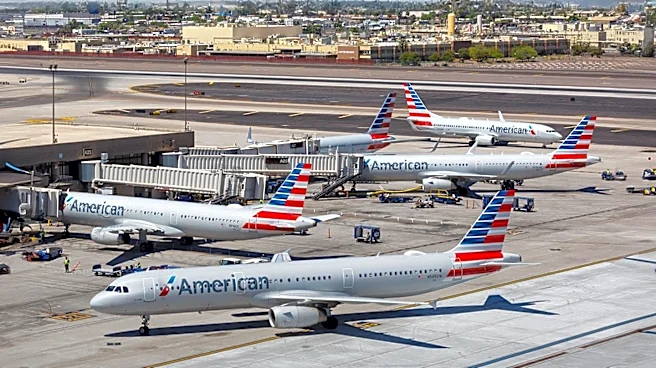
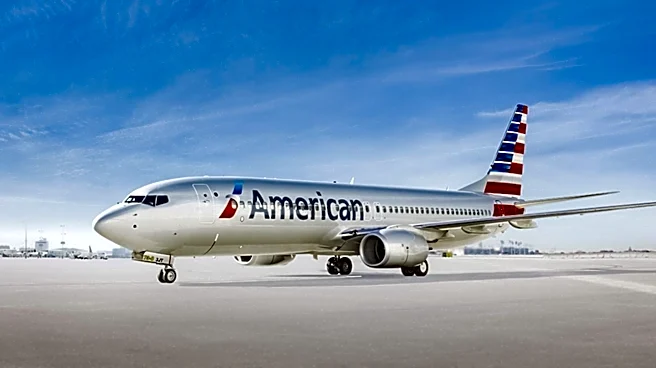
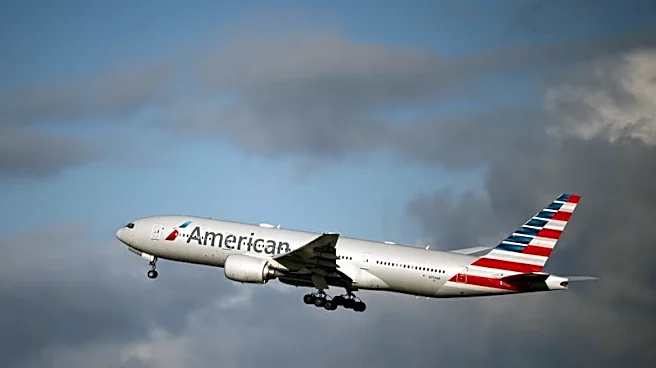
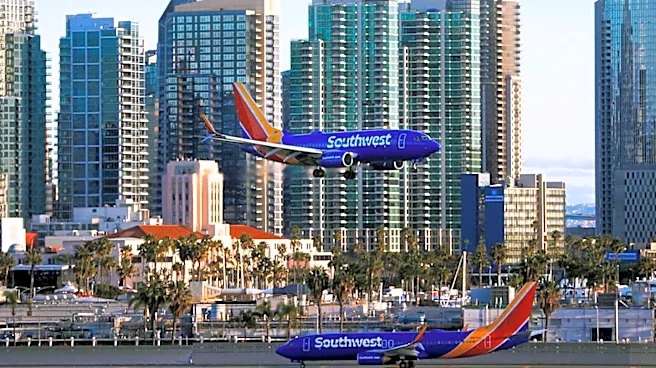
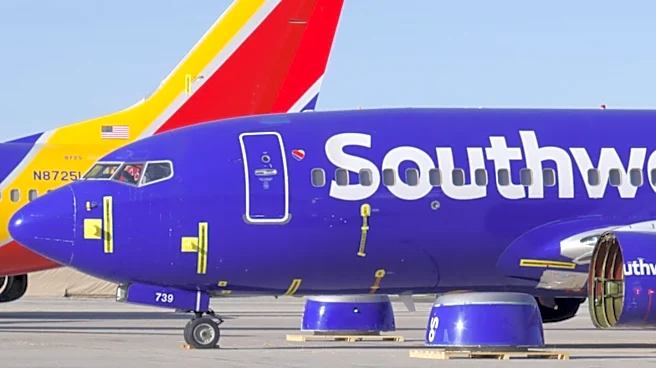
Southwest Airlines is reducing its planned capacity growth for 2026 by approximately half due to a recent surge in fuel prices. This decision aligns with similar actions taken by American Airlines and United Airlines, which are also adjusting their flight
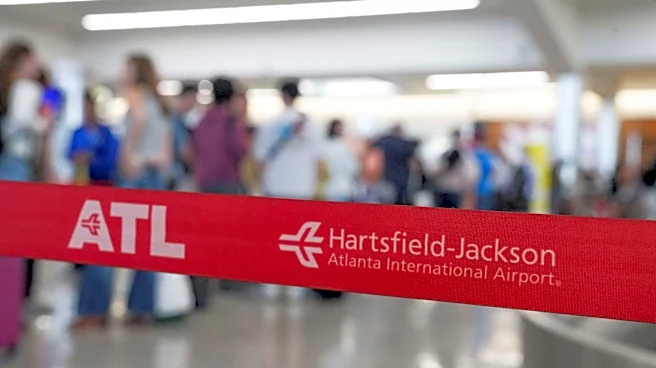
schedules to mitigate the impact of increased fuel costs on their profitability. Despite these adjustments, Southwest's Chief Financial Officer, Tom Doxey, stated that autumn revenues are exceeding expectations, helping the airline to offset higher fuel expenses and maintain its third-quarter earnings guidance. The airline had initially projected a year-over-year capacity growth of 2% to 3% for 2026. The current fuel price environment is prompting airlines to re-evaluate less profitable routes for late 2026 and potentially into 2027. Southwest has also removed at least 26 nonstop routes from Atlanta (ATL) in its June and July 2026 schedules, according to Cirium data.
Why It's Important?
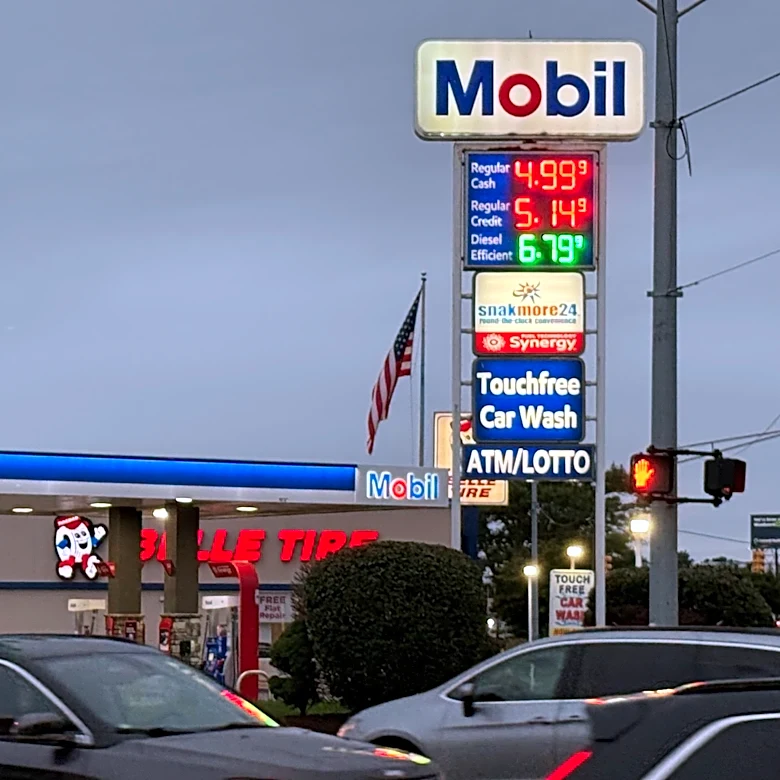
The decision by major U.S. airlines, including Southwest, to scale back capacity growth underscores the significant impact of fuel price volatility on the aviation industry. Higher fuel costs directly affect operating expenses, potentially leading to reduced flight options for consumers and increased airfares. This trend could reshape the competitive landscape, as airlines prioritize profitability by cutting less-lucrative routes. For passengers, this might mean fewer direct flights and potentially higher travel costs, especially for popular destinations. From an economic perspective, sustained high fuel prices could dampen the recovery of the travel sector and have ripple effects on related industries such as tourism and hospitality. The airline's ability to maintain its profit goals despite these challenges highlights the importance of strong demand and effective revenue management strategies in a high-cost environment.
What's Next?
Southwest Airlines may implement further capacity trims if fuel costs remain elevated for an extended period, as indicated by CFO Tom Doxey. This suggests a dynamic approach to schedule planning, with ongoing adjustments based on market conditions. Other airlines are also expected to continue reassessing their flight operations, potentially leading to more schedule changes and route reductions across the industry. Consumers should anticipate continued adjustments to flight availability and pricing as airlines navigate the high fuel cost environment. The industry will likely focus on optimizing routes and potentially increasing fares on high-demand routes to maintain profitability. The development of new premium offerings and credit card partnerships, as mentioned in broader discussions about Southwest's strategy, could also play a role in diversifying revenue streams and offsetting cost pressures.
Beyond the Headlines
The current situation highlights the inherent vulnerability of the airline industry to external economic shocks, particularly fluctuations in global energy markets. While demand remains strong, the need to cut capacity to protect profit margins reveals a delicate balance between growth and financial stability. This could accelerate the industry's shift towards more efficient operations and potentially a greater focus on premium services to maximize revenue per passenger. The strategic removal of routes, such as those from Atlanta, could also indicate a broader re-evaluation of hub strategies and network optimization. Furthermore, the emphasis on initiatives like assigned seating and extra-legroom products suggests a move towards unbundling services and offering more personalized, albeit potentially more expensive, travel experiences to consumers. This could lead to a more stratified market where basic fares are lower but additional amenities come at a premium.