





What's Happening?
JCPenney is set to open a new 39,000-square-foot store at 8148 S. Cicero Ave. in Burbank, Illinois, in the coming months. This move comes after the closure of its long-standing location in Chicago’s Ford City Mall, which was shuttered in June by a county
judge due to unsafe conditions and a malfunctioning fire suppression system. The new Burbank store is approximately half a mile south of the now-closed mall. JCPenney previously occupied about 180,000 square feet in Ford City Mall, indicating a significant reduction in its physical footprint. The company stated its commitment to serving its large and loyal customer base in the Chicago area. The Ford City Mall, a 1.2 million-square-foot complex that began as a manufacturing site during World War II before becoming a shopping center in 1965, was ordered to close by June 22 after Chicago officials filed a lawsuit against its owner, Namdar Realty Group, citing numerous safety and maintenance issues.
Why It's Important?
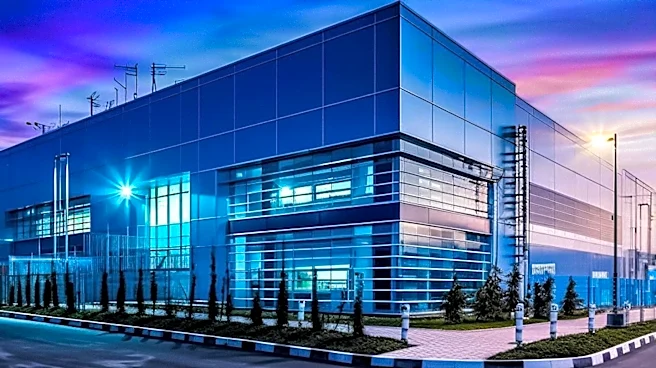
This development highlights a broader trend in the retail industry where large department stores are downsizing their physical locations in favor of smaller, more efficient spaces. According to Terri Cox, senior vice president of Matanky Realty Group, many retailers are shifting to smaller stores that stock best-selling products, utilizing online sales and warehouse storage for other inventory. This strategy helps reduce overhead costs, as warehouse rent is significantly lower than that of large shopping centers. The closure of Ford City Mall, once a major retail destination, also underscores the challenges faced by traditional indoor malls due to the rise of online retail and changing consumer shopping habits. The mall's proposed demolition and replacement with warehouses and distribution buildings reflect a shift in land use and economic activity in the area, potentially bringing both economic development and concerns from residents about increased truck traffic and environmental impact.
What's Next?
JCPenney's new Burbank store is expected to open in the next few months, allowing the retailer to continue serving its customer base in the Chicago area. Meanwhile, the former Ford City Mall site is slated for demolition, with plans approved by the Chicago Plan Commission in August to replace it with warehouses and distribution buildings. This $200 million proposal still requires approval from the City Council. The project faces opposition from nearby residents concerned about the potential increase in diesel-belching trucks and its impact on the neighborhood. The future of the site will depend on the City Council's decision, which will determine whether the area transitions from a retail hub to a logistics and distribution center. This decision will also influence the local economy and environmental landscape of the surrounding communities.
Beyond the Headlines
The transformation of the Ford City Mall site from a retail center to a potential logistics hub reflects a significant economic and urban planning shift. This trend, seen in many parts of the U.S., indicates the declining viability of large, enclosed shopping malls and the increasing demand for e-commerce fulfillment infrastructure. The debate over the mall's redevelopment highlights the tension between economic development and community concerns, particularly regarding environmental impact and quality of life. The shift from consumer-facing retail to industrial logistics also has implications for local employment, potentially creating different types of jobs and altering the character of the neighborhood. This case exemplifies how communities are grappling with adapting to evolving economic landscapes and consumer behaviors, necessitating difficult choices about land use and urban development.