




What's Happening?
Peyton Watson, an NBA player, is currently considering a qualifying offer as part of his contract negotiations. The NBA landscape is marked by several unresolved issues, including an unsigned All-NBA center and a restricted free agent whose team is wary
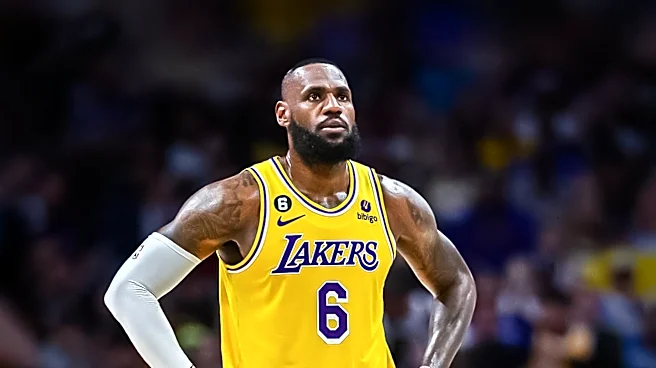
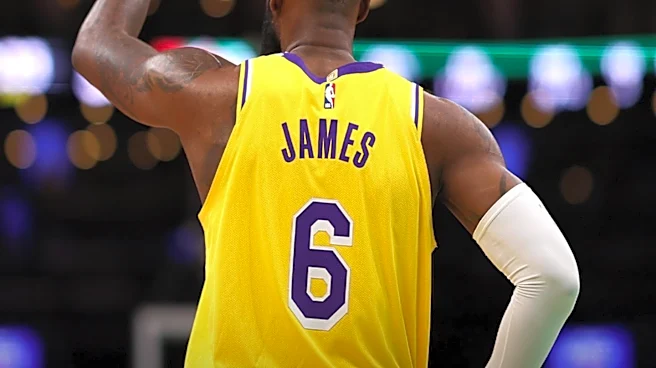
of the luxury tax implications. Additionally, a trade has been completed but is currently frozen by the league office, and there is a roster crunch due to LeBron James. A new head coach has yet to select a starting center, adding to the uncertainty. Watson's performance has been notable, with his scoring averaging 17.3 points per game and 2.2 assists over his best 30 starts.
Why It's Important?
The decision by Peyton Watson to consider a qualifying offer highlights the complexities and financial considerations in the NBA. Teams are navigating luxury tax thresholds, which can significantly impact their roster decisions and financial flexibility. The situation underscores the broader challenges faced by NBA teams in managing player contracts and maintaining competitive rosters. For players like Watson, the decision to accept a qualifying offer can influence their career trajectory and financial future. The ongoing contract negotiations and roster decisions will have implications for team dynamics and the competitive balance within the league.
What's Next?
As Watson deliberates on the qualifying offer, the NBA teams involved will need to make strategic decisions regarding their rosters and financial commitments. The resolution of the frozen trade and the selection of a starting center by the new head coach are anticipated developments that could influence Watson's decision. Teams will continue to assess their financial positions in relation to the luxury tax, which may lead to further player movements or contract negotiations. The outcome of these decisions will be closely watched by stakeholders, including fans, analysts, and other players.