




What's Happening?
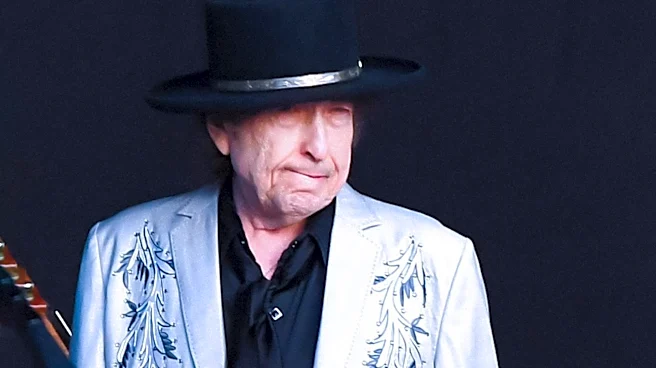
In May 1963, as Bob Dylan released his sophomore album, 'The Freewheelin’ Bob Dylan,' the number one song on the Billboard Hot 100 chart was Jimmy Soul's 'If You Wanna Be Happy.' This track, a reimagining of Roaring Lion's 1934 Trinidadian calypso number 'Ugly
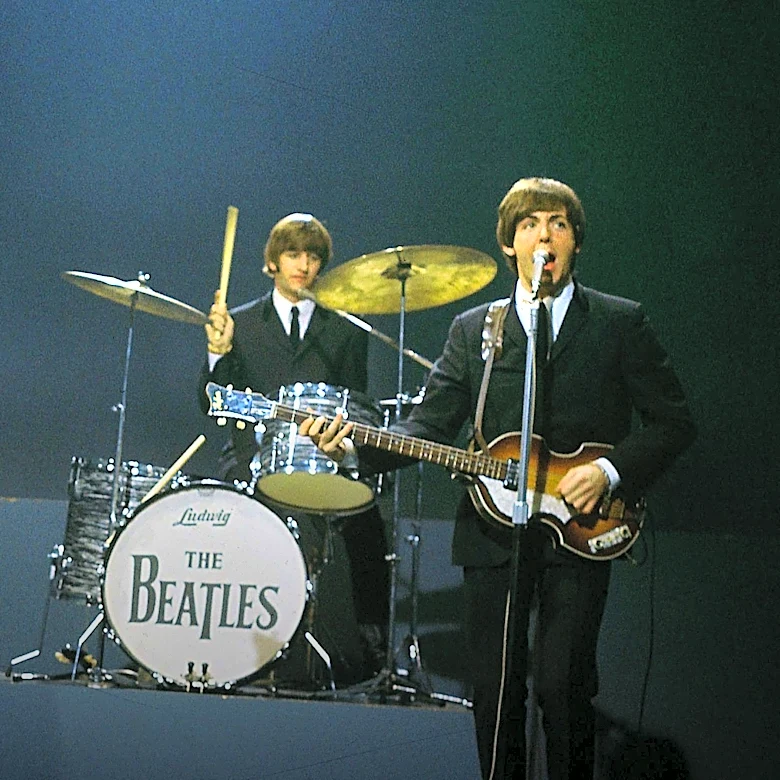
Woman,' was repurposed by the songwriting team of Joseph Royster, Carmella Guida, and Frank Guida with a doo-wop influence. 'If You Wanna Be Happy' held the top spot on the Hot 100 for two consecutive weeks. At this time, the Billboard Hot 100 had not yet been significantly impacted by The Beatles or the impending British Invasion, with The Beatles' 'From Me To You' charting at a lower position of 116. The Beach Boys' albums were performing well, but none of their singles had reached number one. Phil Spector's 'Wall of Sound' pop had also not yet reached its peak.
Why It's Important?
This snapshot of the Billboard Hot 100 in 1963 highlights a transitional period in American popular music. The dominance of a doo-wop-influenced calypso track like 'If You Wanna Be Happy' at the top of the charts, while a folk icon like Bob Dylan was just beginning to gain traction with his charting album 'The Freewheelin’ Bob Dylan,' illustrates the diverse musical landscape of the early 1960s. It also underscores the pre-British Invasion era, a time when American artists and genres held sway before the significant shift brought about by bands like The Beatles. Jimmy Soul's singular success with 'If You Wanna Be Happy' also exemplifies how certain artists could achieve brief but significant chart-topping moments, even as broader musical trends were on the cusp of major change. The album 'The Freewheelin’ Bob Dylan' itself, peaking at number 22, marked Dylan's first album to chart in the U.S., laying the groundwork for his future influence.
What's Next?
While Jimmy Soul never achieved similar chart success after 'If You Wanna Be Happy,' the release of 'The Freewheelin’ Bob Dylan' marked the beginning of a significant career for Dylan, who would become a pivotal figure in 20th-century music. The music industry was on the verge of a major transformation, with The Beatles poised to take the Billboard charts by storm shortly after this period. The distribution of Soul's single in the UK by EMI's corporate umbrella, Stateside label, foreshadowed the global reach that popular music was about to achieve. This era set the stage for the folk revival to evolve and for new sounds to emerge, ultimately leading to a more diverse and internationally influenced music scene in the United States.
Beyond the Headlines
The contrasting chart performances of Jimmy Soul and Bob Dylan in 1963 reflect deeper shifts in American culture and music. Soul's 'If You Wanna Be Happy,' with its lighthearted calypso-doo-wop blend, represented a continuation of earlier pop sensibilities. In contrast, Dylan's 'The Freewheelin’ Bob Dylan,' featuring songs like 'Blowin’ in the Wind' and 'A Hard Rain’s a-Gonna Fall,' was a harbinger of the burgeoning folk revival and its engagement with social and political themes, including labor struggles and Civil Rights. This period illustrates the tension between escapist pop music and more socially conscious artistic expressions. The eventual rise of Dylan and the British Invasion would fundamentally alter the sound and lyrical content of popular music, moving it towards greater introspection and social commentary, and away from the more innocent pop of the early 1960s.