




What's Happening?
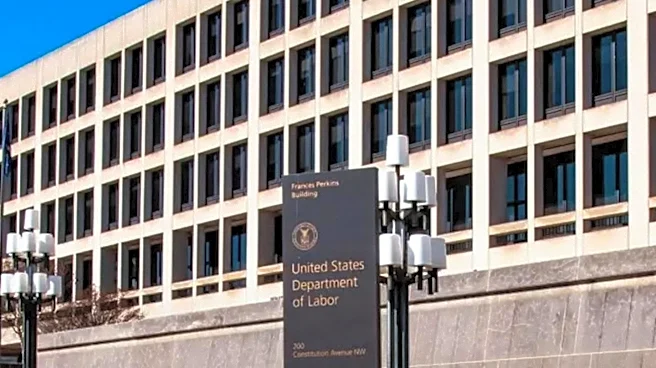
U.S. job openings experienced a significant increase in September, while layoffs fell to their lowest level in 18 months. According to the Labor Department’s Job Openings and Labor Turnover Survey (JOLTS) report, job openings rose by 333,000 to 7.523
million by the end of September. This figure surpassed economists' forecasts of 7.100 million unfilled positions. The decline in layoffs and discharges was nearly across the board, decreasing by 127,000 to 1.641 million, marking the lowest level since March 2025. The report also indicated a notable rise in resignations, reaching the highest level in nearly 3-1/2 years, with 3.365 million workers quitting their jobs. This suggests increased confidence among workers in the labor market. The ratio of job openings to unemployed persons increased to 1.06 in September from 1.02 in August.
Why It's Important?
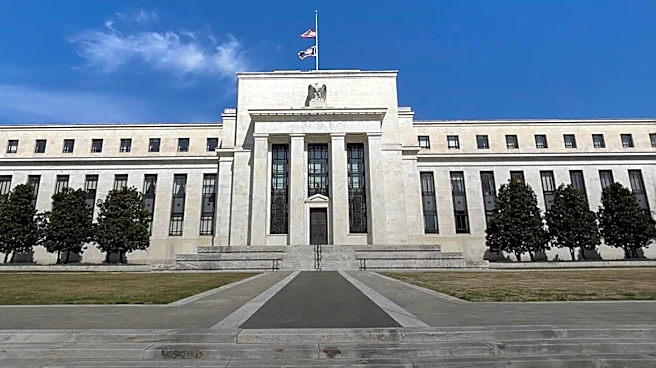
The surge in job openings and the decrease in layoffs underscore the continued resilience of the U.S. labor market, despite concerns about economic uncertainty. This stability provides the Federal Reserve with more flexibility to consider interest rate adjustments to manage inflation. A robust labor market, characterized by low layoffs and high job availability, typically leads to upward pressure on wages, which can contribute to inflationary trends. The increase in resignations, often seen as a measure of job market confidence, indicates that workers feel secure enough to seek better opportunities, potentially leading to wage growth. This dynamic is crucial for economic policymakers as they balance employment goals with inflation control. The sustained demand for labor, particularly in sectors like professional and business services and manufacturing, suggests underlying economic strength.
What's Next?
Economists anticipate that the Federal Reserve will maintain its focus on inflation, potentially leading to further interest rate hikes in upcoming meetings, specifically in December and March. The expectation is for job growth to remain solid, though not exceptionally strong, as businesses navigate rising costs, resilient consumer demand, and significant investments in artificial intelligence. The continued stability in the labor market, characterized by a 'low-hire, low-fire' state, is expected to persist as strong profits and domestic demand keep layoffs near historic lows. However, the ongoing Middle East conflict could make employers hesitant to significantly boost hiring. The labor market's trajectory will be closely watched for its implications on inflation and the Federal Reserve's monetary policy decisions.
Beyond the Headlines
The current labor market conditions highlight a complex interplay of factors. The increase in job openings, particularly in small businesses and specific sectors like state and local government and professional services, suggests a nuanced demand for labor. The rise in quits, while indicating worker confidence, could also be influenced by factors such as an immigration crackdown, as suggested by the National Association of Home Builders regarding its impact on construction workers. This points to broader societal and policy influences on labor mobility and availability. The sustained demand for labor despite global uncertainties and the Federal Reserve's efforts to curb inflation indicates a fundamental strength in the U.S. economy, but also potential challenges in managing wage-driven inflation without stifling growth. The shift towards AI investment also signals a long-term transformation in labor demand and skill requirements.