






What's Happening?
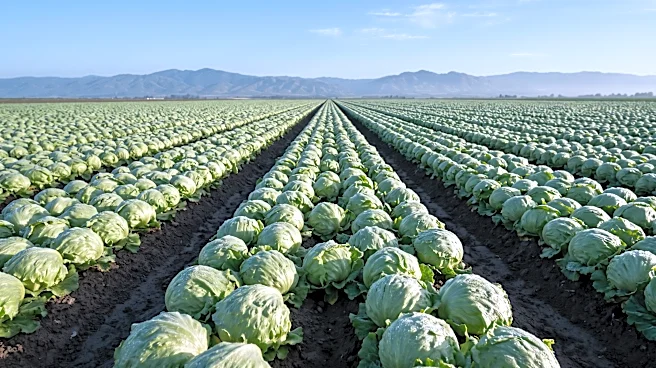
Taylor Farms, a major produce company, has announced a temporary suspension of harvesting and processing iceberg lettuce from Central Mexico for sale in the U.S. and Canada. This measure will be in effect during the Cyclospora season, which typically
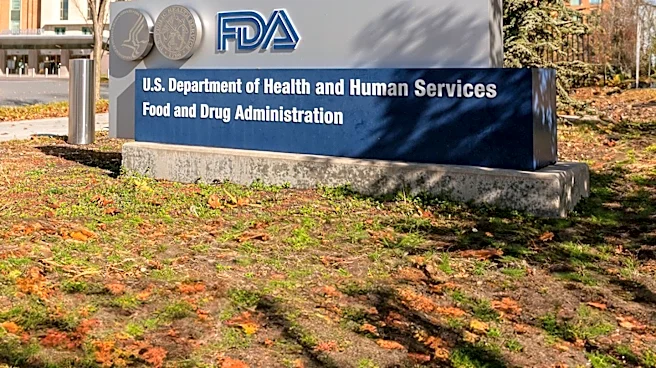
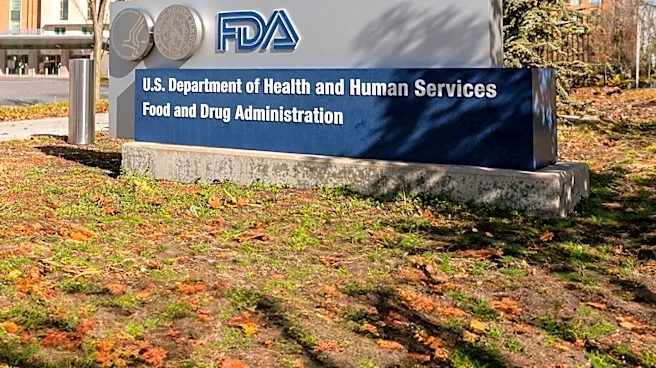
runs from May through August each year. This decision follows a significant outbreak of produce-related Cyclospora last summer, although the U.S. Food and Drug Administration (FDA) has not yet definitively identified the source of those parasitic outbreaks. The company's CEO, Bruce Taylor, outlined these steps as part of broader actions to address food safety concerns. The majority of Taylor Farms' lettuce is grown in the United States and Canada, making this suspension manageable for the company.
Why It's Important?
This action by Taylor Farms is significant for several reasons. Firstly, it demonstrates a proactive approach by a major food producer to mitigate public health risks associated with foodborne illnesses, even in the absence of a definitive source identification by regulatory bodies like the FDA. This could set a precedent for other companies in the produce industry to implement similar seasonal restrictions or enhanced safety protocols, particularly for products sourced from regions prone to specific contaminants. Secondly, the suspension impacts the supply chain for iceberg lettuce, potentially leading to shifts in sourcing for retailers and consumers in the U.S. and Canada during the summer months. While Taylor Farms states the majority of its lettuce is domestically grown, any reduction in supply from a key region could influence market prices and availability. Lastly, it highlights the ongoing challenges in ensuring food safety for fresh produce, especially concerning microscopic parasites like Cyclospora, which can be difficult to detect and trace.
What's Next?
Following Taylor Farms' announcement, other produce companies and industry associations may review their own sourcing and safety protocols, particularly for produce imported from regions identified with Cyclospora risks. The FDA will likely continue its investigations into the definitive source of past Cyclospora outbreaks, and any new findings could lead to further industry-wide changes or regulatory actions. Consumers in the U.S. and Canada might see a temporary shift in the origin of their iceberg lettuce during the summer months, with a potential increase in reliance on domestically grown produce. The long-term impact will depend on the effectiveness of this measure in preventing future outbreaks and whether other companies adopt similar strategies. The company will likely monitor the situation closely and reassess its policies for subsequent Cyclospora seasons.
Beyond the Headlines
This situation underscores the complex interplay between global food supply chains, public health, and corporate responsibility. The decision by Taylor Farms, made without a direct mandate from the FDA regarding the specific source, reflects a growing emphasis on brand reputation and consumer trust in the food industry. It also brings to light the vulnerabilities inherent in importing fresh produce, where environmental factors and agricultural practices in one region can have widespread health implications across international borders. The incident could also spur further research and development into more effective detection methods for Cyclospora and other foodborne pathogens, as well as advanced agricultural practices to minimize contamination risks at the source. Ultimately, this move by Taylor Farms contributes to a broader conversation about the sustainability and safety of our global food system.