







What's Happening?
The third quarter of 2026 witnessed a significant increase in civil actions filed under the Antiterrorism Act of 1990 (ATA), as amended by the 2016 Justice Against Sponsors of Terrorism Act (JASTA). This surge was primarily driven by plaintiffs aiming
to meet a perceived statutory deadline for asserting claims related to 'historical' terrorist attacks that occurred more than ten years ago. Specifically, 23 of the 28 ATA actions initiated this year were filed after June 1, 2026, with a majority occurring in the ten days leading up to September 28, 2026, which some interpreted as the final day for such filings. A notable 18 of these recent actions target corporate defendants. Among the new lawsuits, Connolly v. UniCredit Bank GmbH alleges that a German bank and its subsidiaries aided and abetted terrorist attacks in Iraq by processing transactions for an Iranian maritime cargo carrier linked to weapons shipments. Another case, Ben-Yishai v. Agrium Asia Pacific Ltd., claims two Australian companies funneled 'kickback' payments to the Saddam Hussein regime, which then funded Palestinian terrorist operatives.
Why It's Important?
This wave of ATA litigation highlights the expanding legal risks for multinational corporations, particularly those operating in high-risk or unstable regions. The lawsuits underscore the potential for companies to face civil liability if their business activities are perceived to have any connection, direct or indirect, to international terrorist activities. The ATA and JASTA provide avenues for victims of terrorism to seek compensation, placing a significant burden on corporations to ensure their operations are not inadvertently supporting designated terrorist organizations or regimes. The legal interpretations surrounding 'aiding and abetting' and 'proximate cause' in these cases are crucial, as they define the scope of corporate responsibility. The U.S. government's continued designation of Foreign Terrorist Organizations (FTOs), including drug cartels in Latin America, further broadens the potential scope of ATA liability, increasing the compliance challenges for businesses with global footprints.
What's Next?
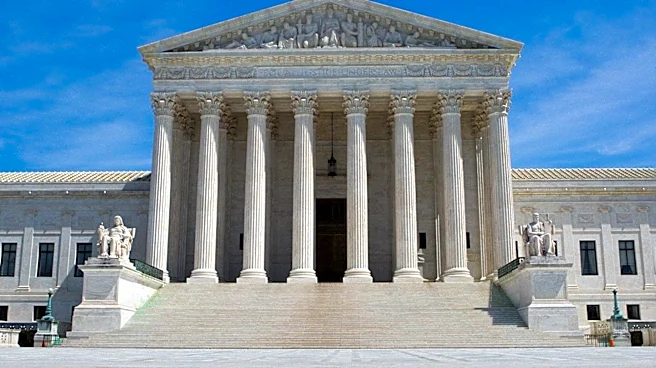
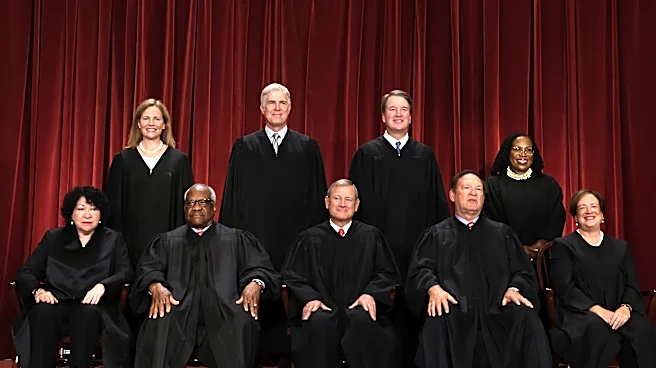
The legal landscape for ATA litigation is expected to continue evolving, with ongoing cases providing further clarity on key legal standards such as aiding-and-abetting liability and personal jurisdiction. The U.S. Supreme Court has requested the Solicitor General's views on a petition for certiorari in Atchley, a case that could significantly impact the interpretation of aiding-and-abetting and proximate cause under the ATA. Additionally, the Supreme Court's decision in Ozurumba v. Bondi, concerning the definition of 'material support' to a terrorist organization under the Immigration and Nationality Act (INA), could influence primary liability claims under the ATA. Corporations with international operations, especially in high-risk areas, will need to continuously assess and mitigate their potential risk exposure. This includes rigorous due diligence on business partners, adherence to international sanctions, and monitoring developments in FTO designations and legal precedents.
Beyond the Headlines
The surge in ATA litigation reflects a broader societal push for accountability from entities that may, even indirectly, facilitate terrorism. Beyond the immediate financial and reputational risks for corporations, these lawsuits raise ethical questions about corporate responsibility in complex geopolitical environments. The cases challenge companies to not only comply with legal requirements but also to consider the moral implications of their global supply chains and financial transactions. The legal battles also highlight the intricate web of international finance and trade, where funds can be diverted to illicit activities through seemingly legitimate channels. This ongoing legal scrutiny could lead to more stringent compliance standards and a re-evaluation of risk management strategies for businesses operating across borders, potentially influencing global financial regulations and corporate governance practices to prevent any inadvertent support for terrorism.