


What's Happening?
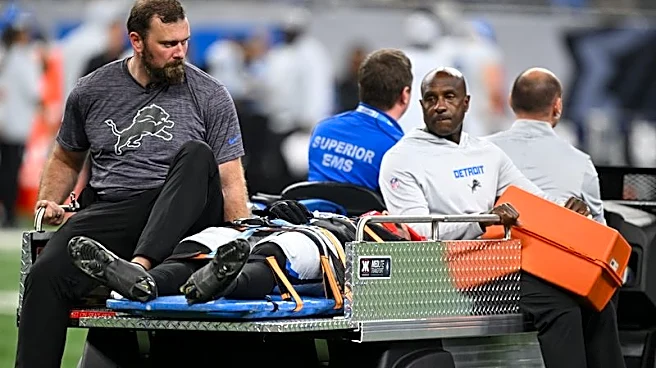
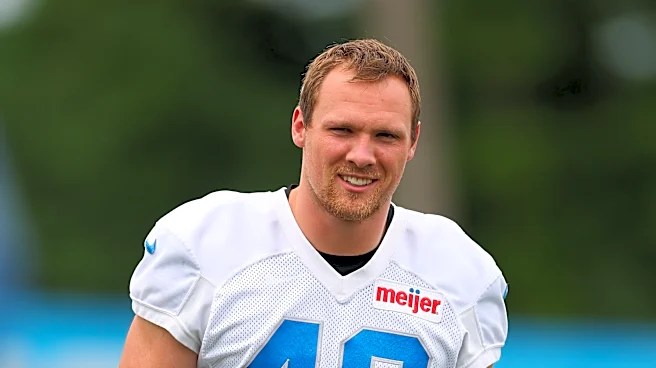
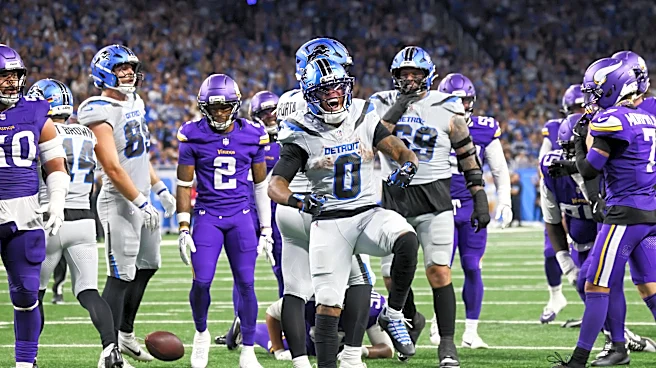
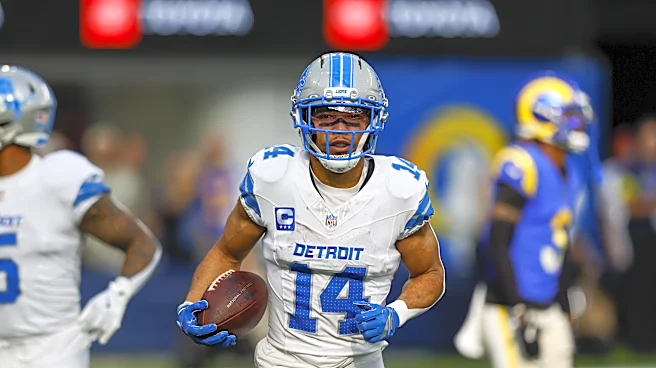
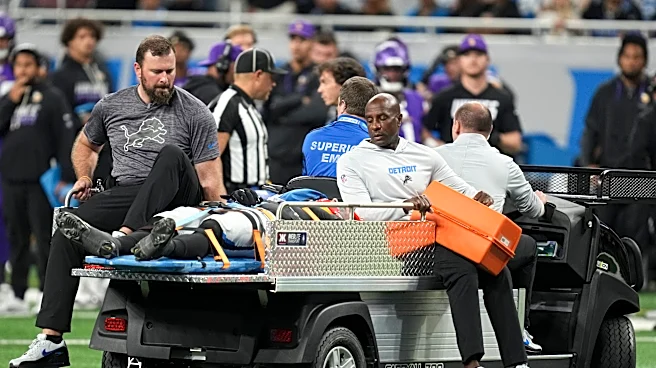
Detroit Lions wide receiver Amon-Ra St. Brown has publicly shared his thoughts on the severe neck injury sustained by his teammate, linebacker Jack Campbell, during a recent game against the Minnesota Vikings. Campbell was carted off the field and hospitalized
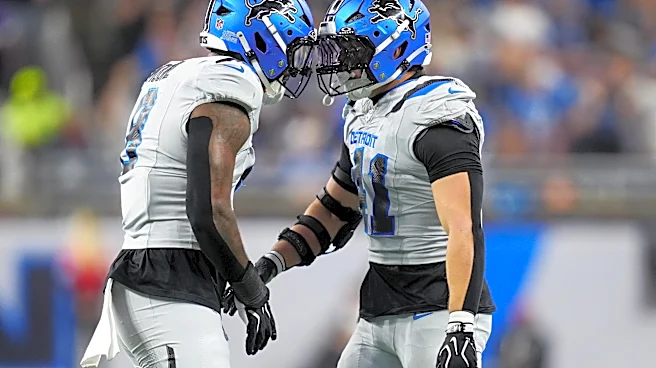
after making a tackle on Minnesota’s T.J. Hockenson. St. Brown, a two-time All-Pro receiver, discussed the incident on his podcast, highlighting that his immediate concern was for Campbell's wife and their newborn baby, Cooper James, who was born a few months prior. He expressed a desire for Campbell to recover fully to be able to play with his child and live a normal life. St. Brown acknowledged the difficulty for players to continue a game after witnessing such a serious injury to a teammate, stating that it puts things into perspective despite the professional obligations of the sport. Campbell himself provided a positive update, confirming full movement in his lower body and ongoing progress in his upper body, expressing optimism for his recovery.
Why It's Important?
This event underscores the human element and inherent risks within professional sports, particularly in a high-impact league like the NFL. The emotional impact on players like Amon-Ra St. Brown, who witness severe injuries to teammates, highlights the psychological toll beyond the physical demands of the game. It brings to light the personal sacrifices and potential long-term health consequences faced by athletes, prompting reflection on player safety protocols and support systems within professional sports organizations. For the Detroit Lions, the injury to a key player like Campbell, a first-time All-Pro selection in 2025, could significantly impact team dynamics and performance. Furthermore, St. Brown's public comments resonate with fans and the broader community, fostering empathy for athletes as individuals with families and personal lives, rather than just performers on a field. It also implicitly raises questions about the balance between the entertainment value of aggressive sports and the well-being of its participants.
What's Next?
Jack Campbell is currently focusing on his recovery, having reported full movement in his lower body and ongoing progress in his upper body. His immediate future involves rehabilitation and regaining strength, with no specific timeline for his return to play yet established. The Detroit Lions' medical and training staff will continue to monitor his condition closely. Amon-Ra St. Brown and the team will likely continue to offer support to Campbell and his family. The incident may also prompt ongoing discussions within the NFL and among teams regarding player safety measures and the psychological support available to athletes who experience or witness traumatic injuries. The team will need to adjust its strategies and roster in Campbell's absence, potentially relying on other linebackers to fill his role. The broader NFL community will be watching Campbell's recovery as a testament to the resilience of athletes and the advancements in sports medicine.
Beyond the Headlines
The incident involving Jack Campbell and Amon-Ra St. Brown's subsequent reflections delve into the ethical considerations surrounding professional contact sports. Beyond the immediate physical injury, there's a profound psychological impact on players who witness such events, forcing them to confront the fragility of their careers and personal lives. St. Brown's emphasis on Campbell's family highlights the often-overlooked human cost of professional sports, where athletes are not just assets but individuals with dependents and personal aspirations. This perspective can fuel broader conversations about player welfare, long-term health, and the responsibilities of leagues and teams to their athletes beyond their playing careers. It also touches upon the cultural aspect of sports, where players are expected to quickly 'move on' from traumatic events, yet the emotional residue can linger. The incident serves as a stark reminder that while the game is a business, the lives and well-being of the players are paramount, potentially influencing future policy changes regarding injury protocols and mental health support in the NFL.