




What's Happening?
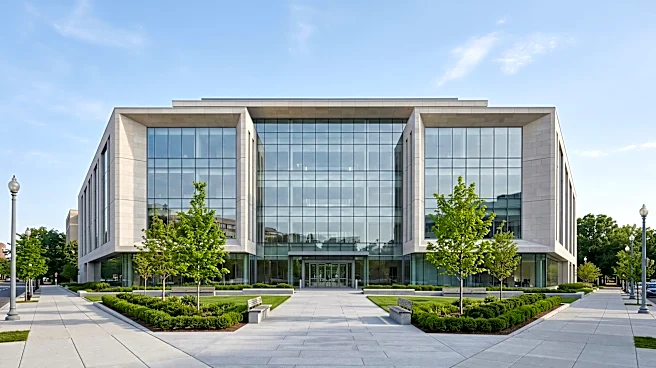
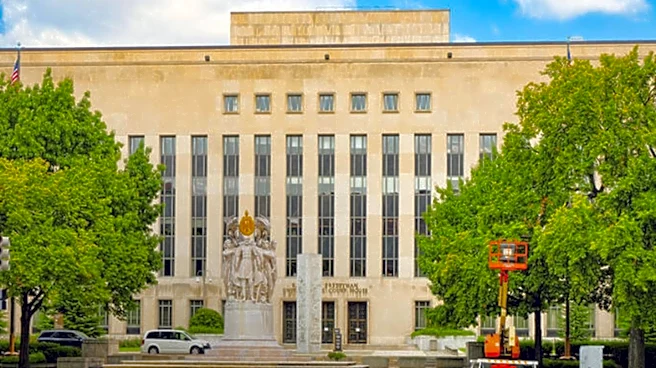
The D.C. Council has approved up to $275 million in tax-exempt revenue bond financing for developer Madrone to convert the former Justice Department building at 600 E St. NW into 415 apartments. This project is part of a broader trend of repurposing downtown
office spaces for residential use as federal agencies relocate. The financing, introduced on an emergency basis by Council Chairman Phil Mendelson on behalf of Mayor Muriel Bowser, aims to complete the financial arrangements this month. The converted building will feature 415 apartment units, a 140-space underground garage, and a 25,000 square foot Sprouts Farmers Market on the ground floor. The Justice Department vacated the 325,000 square foot office building when it moved to NoMa. The project is projected to be delivered by August 2028.
Why It's Important?
This conversion project is significant for Washington D.C. as it addresses the increasing vacancy rates in downtown office buildings and the growing demand for housing. By transforming a large, empty federal office building into residential units, the District is adding much-needed housing stock, particularly near Judiciary Square. The inclusion of a Sprouts Farmers Market will also provide a new retail option for future residents and the surrounding community, influencing local shopping and commuting patterns. The use of public bond financing sets a precedent for how similar conversions can be made viable, potentially encouraging more developers to undertake such projects. This initiative could revitalize downtown areas that have seen reduced office occupancy, contributing to a more vibrant and mixed-use urban environment.
What's Next?
The financing for the 600 E St. NW conversion project is expected to be finalized this month. Following this, the developer, Madrone, will proceed with the demolition and renovation phases. The project is slated for completion and delivery of the 415 apartment units by August 2028. Washington residents will be closely watching whether the planned retail and residential components are delivered on schedule. This project could serve as a model for future office-to-residential conversions in the District, especially as more federal agencies consider relocating, leaving behind vacant office spaces. The success of this endeavor may influence policy decisions and financial incentives for similar urban redevelopment initiatives.