






What's Happening?
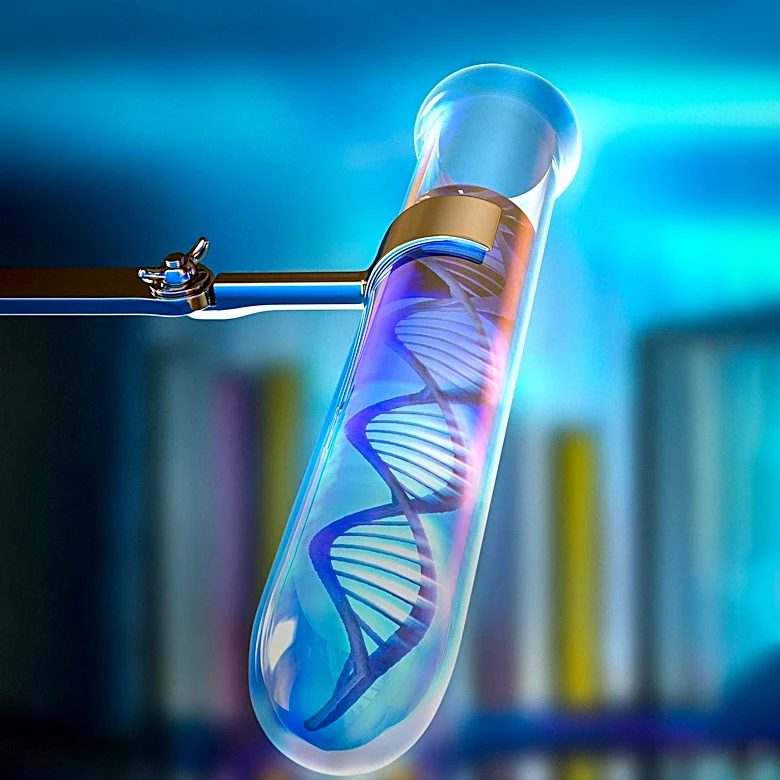
Recent advancements in cancer research have been made through the integration of CRISPR-based technologies with patient-derived organoids (PDOs). These organoids, which maintain the genetic and histological features of tumors, are being used alongside
CRISPR to identify cancer dependencies, model oncogenic evolution, and study drug responses. The combination allows for precise gene function analysis in a context that closely mimics human tumors. Despite challenges such as variable editing efficiency and biological heterogeneity, this approach is proving valuable in uncovering cancer vulnerabilities and informing precision oncology.
Why It's Important?
The use of CRISPR and PDOs in cancer research represents a significant leap forward in understanding tumor biology and developing targeted therapies. By providing a more accurate model of human tumors, researchers can identify specific genetic vulnerabilities and test potential treatments in a controlled environment. This has the potential to accelerate the development of personalized cancer therapies, improving outcomes for patients by targeting the unique characteristics of their tumors. The approach also highlights the importance of integrating advanced genomic technologies with patient-specific models to enhance the clinical relevance of research findings.
What's Next?
As the field progresses, researchers will continue to refine CRISPR and PDO methodologies to overcome current limitations and improve scalability. Future studies may focus on expanding the range of cancer types studied and exploring the use of these technologies in combination with other therapeutic approaches. Additionally, efforts to translate these findings into clinical practice will be crucial, potentially leading to new treatment protocols and improved patient care in oncology.