





What's Happening?
Australia's housing market is projected to experience a sustained downturn, with home prices not expected to bottom out until late 2027. This forecast follows a record 15% decline in both the volume and value of new home loans in the September quarter,
the largest fall since records began in 2002, according to the ABS. Analysis by Money.com.au and Primara Research indicates this is the third consecutive quarterly fall in lending activity, a trend that has historically preceded national price downturns since 2008. These previous downturns saw home values bottom out between nine and 21 months after three successive quarters of reduced lending. Major Australian banks, including CBA, ANZ, and Westpac, have revised their home price forecasts downwards, anticipating cumulative falls ranging from 7% to 14%.
Why It's Important?
The prolonged downturn in the Australian housing market carries significant implications for its economy and various stakeholders. A sustained fall in home prices can impact consumer confidence, potentially leading to reduced spending and broader economic slowdown. Homeowners may see a decrease in their equity, affecting their financial stability and borrowing capacity. The decline in investor loans, which dropped by 31% over the quarter, and a 9% fall in first-home buyer loan commitments, suggest a significant shift in market dynamics. Property Investment Professionals of Australia chair Cate Bakos argues that government budget decisions to reform negative gearing and capital gains tax have 'torpedoed investor activity,' potentially leading to fewer rental properties and higher rents in the future. This could exacerbate housing affordability issues for renters.
What's Next?
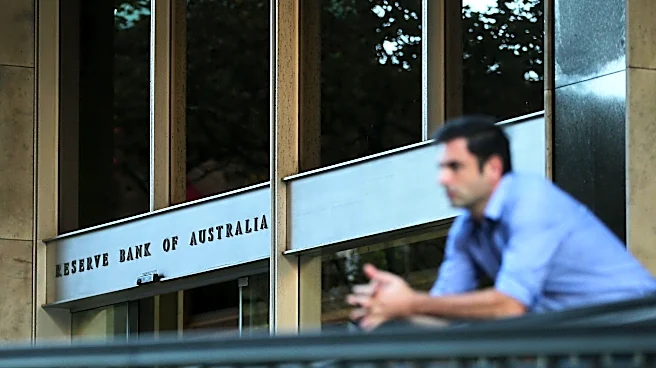
The Australian housing market is anticipated to continue its decline, with the low point most likely around the September quarter of 2027. This projection is based on historical data indicating that prices typically bottom out about a year after three consecutive quarters of falling lending activity, as sellers take time to adjust to weaker demand. Major banks expect prices to stabilize in late 2027, with some, like CBA, not forecasting a sharp rebound once prices find a floor. The Reserve Bank of Australia (RBA) is expected to begin easing interest rates around this time, which could contribute to market stabilization. However, the impact of tax reforms on investor activity and the potential for increased rental prices will remain key factors to monitor.
Beyond the Headlines
The current housing market trajectory in Australia highlights deeper issues concerning policy effectiveness and market psychology. The controversy surrounding the ABS lending figures, particularly the significant decline in investor and first-home buyer purchases, suggests that recent government policies aimed at encouraging first-home buyers may have inadvertently deterred investors, leading to unintended consequences like potential rental shortages. The 'decimated confidence in the property market' cited by valuations group Herron Todd White, attributed to tax reform and interest rate hikes, underscores the delicate balance required in economic policy. This situation could lead to a re-evaluation of housing policies and their long-term effects on market stability and affordability, potentially influencing future legislative approaches to real estate and investment.