


What's Happening?
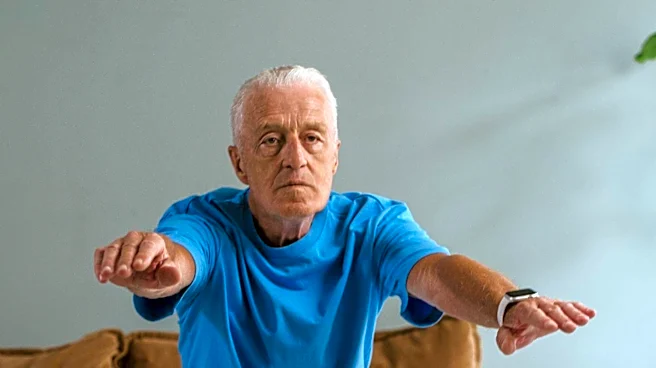
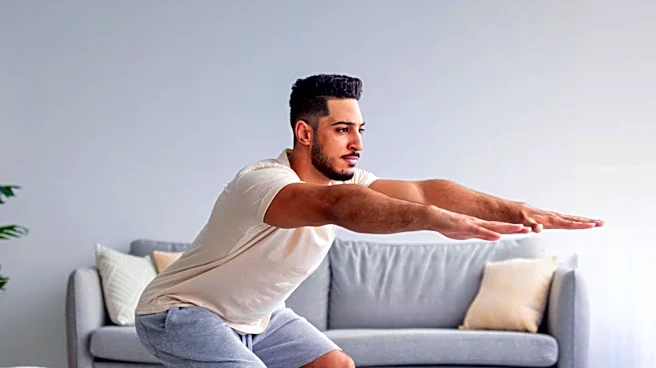
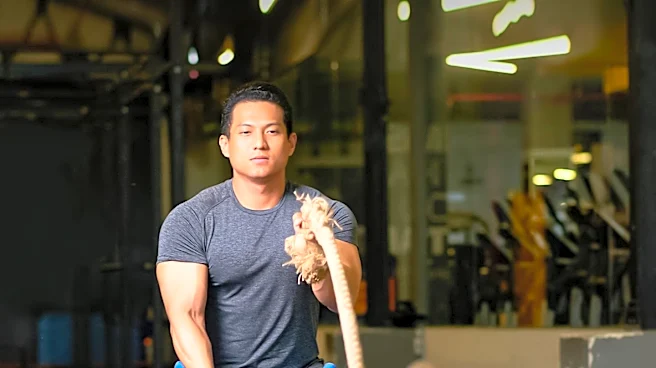
Functional fitness focuses on training the body for everyday movements such as squatting, bending, pushing, pulling, carrying, and getting up from the floor. This approach emphasizes exercises that closely mimic real-life tasks to improve strength, coordination,
balance, and range of motion. Unlike traditional strength training that might isolate muscles, functional fitness integrates multiple joints and movements, often performed standing and engaging one side of the body at a time. The goal is to build practical strength and control that directly translates to daily activities, making tasks like climbing stairs, carrying groceries, or getting out of a chair easier and safer. Research indicates that while strength training builds muscle, practicing specific tasks leads to greater improvement in daily function, with gains lasting longer. A comprehensive functional routine combines both strength-building exercises and task-specific practice to achieve optimal results.
Why It's Important?
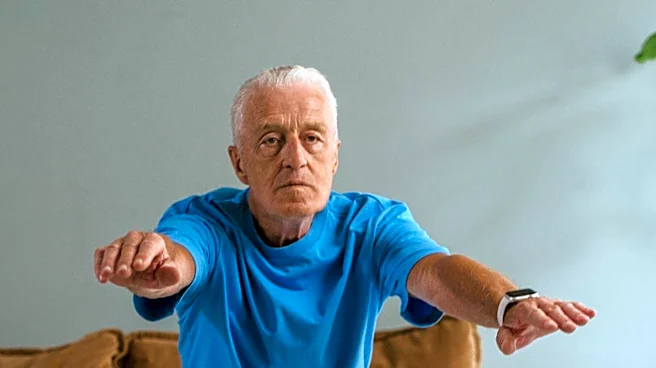
Functional fitness is crucial for maintaining independence and quality of life, particularly as individuals age. Studies have shown that structured functional fitness programs can significantly reduce the risk of major mobility disability in older adults. For instance, a study involving adults aged 70 to 89 demonstrated an 18% lower risk of losing the ability to walk 400 meters for those participating in an exercise program. Beyond mobility, functional abilities like the ease of sitting down and standing up from the floor, or grip strength, have been linked to long-term survival rates. This type of training helps prevent injuries by improving how the body handles physical demands and supports better posture and balance. For all age groups, functional fitness translates to practical benefits, from lifting a suitcase without strain to performing gardening tasks without subsequent stiffness, thereby enhancing overall physical resilience and well-being.
What's Next?
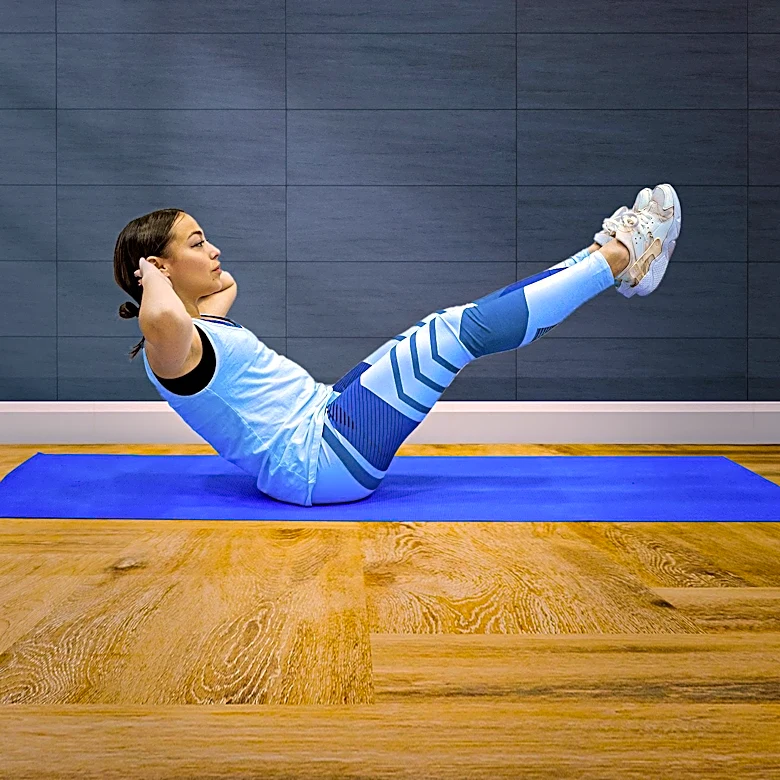
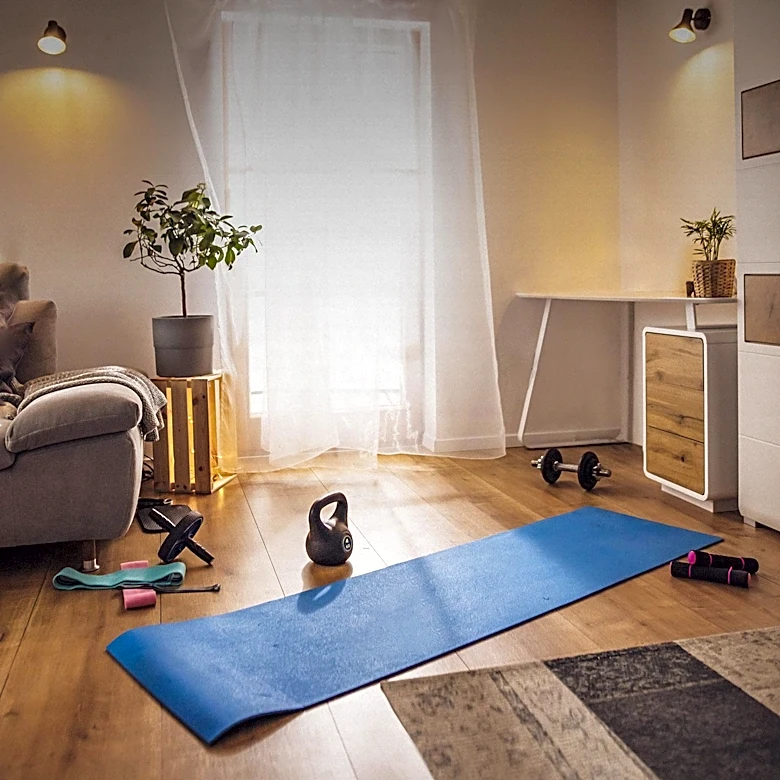
Individuals can begin incorporating functional fitness into their routines by focusing on eight core movement patterns: squat, hinge, lunge, push, pull, carry, rotate, and getting up from the floor. These exercises can be performed at home using body weight and common household objects like backpacks or chairs. Progress can be made by gradually increasing load, range of motion, reducing support, and improving speed. Regular self-assessment through simple tests like chair stands, floor sit-and-rise, single-leg balance, step-ups, and carries can help identify areas needing improvement and track progress. Retesting every one to two months under consistent conditions allows individuals to monitor their development and adjust their routines accordingly. The long-term goal is to integrate these movements into daily life, making everyday activities part of the training process to sustain gains.
Beyond the Headlines
The emphasis on functional fitness highlights a shift in perspective from purely aesthetic or performance-based exercise goals to a more holistic view of physical capability. This approach underscores the ethical dimension of promoting health and independence throughout the lifespan, particularly for an aging population. By focusing on movements essential for daily living, functional fitness addresses a fundamental human need for autonomy and self-sufficiency. It also challenges the notion that fitness requires specialized equipment or complex routines, demonstrating that effective training can be achieved with minimal resources. Culturally, it encourages a proactive stance on health, where maintaining physical function is seen as an ongoing process rather than a reactive measure taken only after decline. This paradigm can lead to broader public health initiatives that promote accessible and practical exercise regimens for all ages, fostering a society that values and supports lifelong physical competence.