






What's Happening?
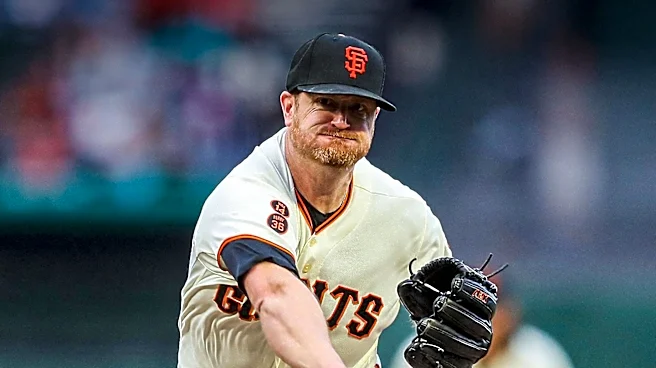
The San Francisco Giants have announced a partnership with Kalshi, a federally regulated prediction market. This collaboration will provide Kalshi with various marketing and brand integration assets, including in-ballpark signage, radio advertisements,
and promotional opportunities. The Giants' Senior Vice President of Partnerships, Steve Tseng, stated that the team is pleased to welcome Kalshi and is committed to creating unmatched fan experiences. Kalshi operates under the Commodity Futures Trading Commission (CFTC) and distinguishes itself from traditional sportsbooks by using a peer-to-peer exchange model where users trade on yes-or-no questions. This partnership comes despite Kalshi facing legal challenges in several states, including New York, California, and Washington, where attorneys general have sued the platform, alleging it operates as an illegal gambling service. The Giants are not alone in this venture, as Kalshi has also announced partnerships with other MLB teams, including the Los Angeles Dodgers, Boston Red Sox, San Diego Padres, and Atlanta Braves. This move follows previous criticism the Giants received for a jersey patch deal with autonomous vehicle company Cruise.
Why It's Important?
This partnership highlights the evolving landscape of sports sponsorships and the increasing integration of financial technology platforms into mainstream entertainment. For the San Francisco Giants, securing a partnership with a company like Kalshi, despite its controversial legal standing, could represent an attempt to diversify revenue streams and engage with a new demographic of fans interested in prediction markets. However, it also carries significant reputational risks, given the ongoing lawsuits and public perception of such platforms as gambling services. The legal battles in New York, California, and Washington underscore a broader regulatory debate about the classification of prediction markets and their compliance with state gambling laws. If more states follow suit, it could severely restrict Kalshi's operations and, by extension, the value of its partnerships with sports teams. For the MLB, these partnerships could set a precedent for how teams engage with emerging financial platforms, potentially influencing future league-wide policies on sponsorships and fan engagement.
What's Next?
The legal challenges against Kalshi are expected to continue, with ongoing court proceedings in states like New York and Washington. The outcome of these lawsuits will significantly impact Kalshi's operational scope and its ability to maintain partnerships with sports organizations. Should courts rule against Kalshi, it could force the San Francisco Giants and other MLB teams to re-evaluate or terminate their agreements to avoid association with illegal activities. Conversely, if Kalshi successfully defends its business model, it could pave the way for more widespread adoption of prediction market sponsorships across professional sports. Stakeholders, including state attorneys general, regulatory bodies, and consumer protection groups, will closely monitor these developments. The MLB may also face pressure to establish clearer guidelines for teams engaging with prediction markets, especially given the varying legal interpretations across states. The Giants will likely continue to monitor the legal landscape while fulfilling their current contractual obligations with Kalshi.
Beyond the Headlines
The partnership between the San Francisco Giants and Kalshi delves into the complex ethical and legal considerations surrounding prediction markets. While Kalshi asserts it is a financial trading platform regulated by the CFTC, the strong opposition from state attorneys general highlights a fundamental disagreement on its classification. This debate touches upon the fine line between financial speculation and gambling, with implications for consumer protection, responsible gaming, and regulatory oversight. The involvement of a major sports franchise like the Giants in such a controversial venture could normalize prediction markets in the public eye, potentially influencing broader societal acceptance and participation. This raises questions about the responsibility of sports organizations in vetting their sponsors, especially those operating in legally ambiguous areas. The long-term shift could see a redefinition of what constitutes 'gambling' in the digital age, potentially leading to new legislative frameworks that address these emerging financial instruments and their intersection with sports and entertainment.