



What's Happening?
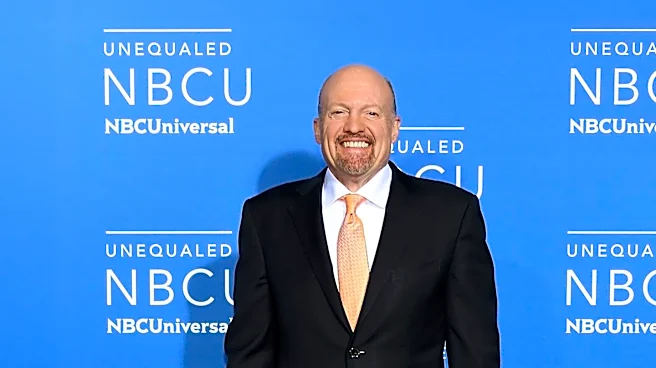
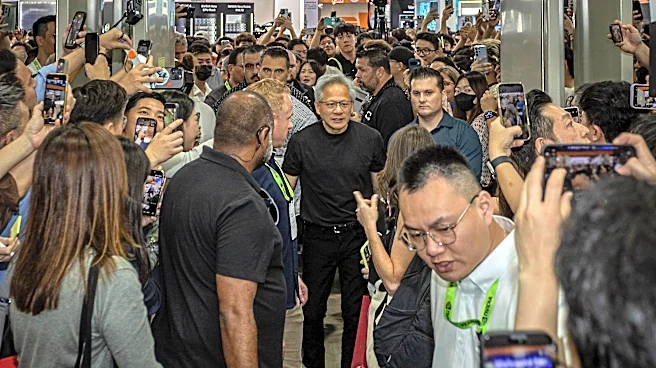
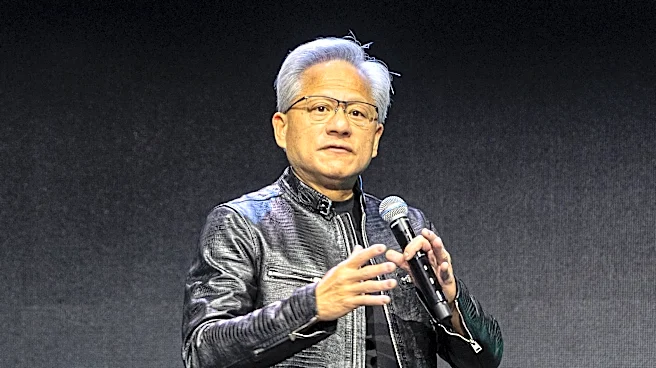
CNBC host Jim Cramer and investor Anthony Pompliano are advocating for the resignation of Nvidia's board of directors after Jensen Huang was reinstated as CEO. Huang's return follows a period where the board had reportedly pushed for his resignation.
Cramer questioned the board's decision-making, asking why they didn't conduct a thorough investigation or grant Huang more time before his initial departure. He stated that the board "jumped to a conclusion" and should resign. Pompliano echoed this sentiment, asserting that Huang must "wipe the entire board of directors" due to their perceived disloyalty. He argued that the board's actions, by forcing Huang out, "knowingly destroyed an enormous amount of value" and negatively impacted shareholders. Nvidia's board, however, stated they unanimously voted to welcome Huang back after consulting with senior U.S. government officials, believing his reinstatement is in the best interest of all stakeholders. An independent committee will continue to investigate reports that Huang was the target of a foreign intelligence effort.
Why It's Important?
This situation highlights critical issues of corporate governance, shareholder value, and board accountability within major U.S. technology companies. The public call for the board's resignation by prominent financial figures like Jim Cramer and Anthony Pompliano underscores a significant lack of confidence in their decision-making process. If the board is perceived to have acted against shareholder interests by initially pushing out a successful CEO, it could set a precedent for increased scrutiny on corporate boards across the U.S. tech sector. The controversy also touches upon potential national security implications, given the involvement of U.S. government officials in the decision to reinstate Huang. This event could influence how investors evaluate the stability and leadership of other publicly traded companies, particularly those in critical technology sectors, and may lead to greater demands for transparency and accountability from corporate boards.
What's Next?
The immediate next step will likely involve observing whether Nvidia's board members will address the calls for their resignation or if Jensen Huang will take action to restructure the board. The ongoing independent committee investigation into reports of Huang being a target of foreign intelligence will also be crucial, as its findings could further influence perceptions of the board's initial actions and Huang's reinstatement. Shareholders and market analysts will closely monitor Nvidia's stock performance and any official statements from the company regarding its leadership structure. The pressure from influential investors and media personalities could prompt a re-evaluation of board responsibilities and potentially lead to changes in corporate governance practices within the U.S. technology industry, especially concerning CEO succession and board oversight.
Beyond the Headlines
The controversy surrounding Jensen Huang's brief departure and subsequent return to Nvidia, coupled with calls for the board's resignation, delves into the complex dynamics of power and loyalty within corporate leadership. It raises questions about the balance between a board's fiduciary duty to shareholders and its relationship with the CEO. The accusation of "disloyalty" by Pompliano suggests a deeper ethical dimension, implying that the board's actions were not only financially detrimental but also a betrayal of trust. This incident could trigger broader discussions about the criteria for board appointments, the independence of directors, and the mechanisms for holding boards accountable for decisions that impact company value and employee morale. It also subtly touches upon the geopolitical landscape, with the mention of U.S. government input, hinting at the increasing intersection of national security concerns and corporate leadership in critical technology sectors.