




What's Happening?
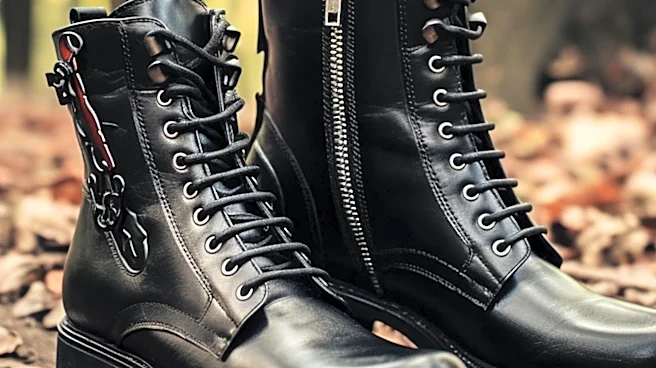
GQ has published an article detailing the proper methods for stretching leather boots. The piece emphasizes that while leather naturally stretches and adapts to the wearer's foot over time, there are techniques to expedite this process without damaging
the footwear. Brett Viberg, a third-generation bootmaker and owner of Canadian boot brand Viberg, explains that the 'break-in' period is when the leather's collagen fibers mold and flex to the foot. Moisture enhances the pliability of these fibers, making stretching easier. The article notes that while leather stretches, soles do not, meaning shoe size remains largely non-negotiable. Stretching can achieve a quarter to a half-size increase in length at most, but width is more forgiving. Viberg describes using wooden screw-type stretchers to gradually expand a boot laterally over several days, rather than forcing the leather all at once. The guide also touches on how to identify a properly fitting boot by observing the flex point and creasing across the vamp.
Why It's Important?
This guide is important for consumers who invest in leather footwear, offering practical advice to improve comfort and fit, thereby extending the lifespan of their boots. Improperly fitting boots can lead to discomfort, foot issues, and premature wear and tear on the leather. By understanding how to correctly stretch boots, individuals can avoid common mistakes that might damage expensive footwear or lead to an unsatisfactory wearing experience. For the footwear industry, particularly brands specializing in leather goods, this information underscores the importance of quality materials and proper fit. It also highlights the value of expert craftsmanship, as demonstrated by Viberg's insights, in maintaining the integrity and comfort of leather products. The emphasis on gradual stretching over days, rather than aggressive methods, promotes a more sustainable approach to footwear care, potentially reducing returns due to poor fit and enhancing customer satisfaction.
What's Next?
Consumers who own or plan to purchase leather boots may apply the techniques outlined in the GQ article to improve the fit and comfort of their footwear. This could lead to a greater appreciation for the break-in process and the inherent qualities of leather. Footwear retailers and manufacturers might consider incorporating such advice into their customer service or product care guides, further educating consumers on how to properly maintain their purchases. The article's insights from a seasoned bootmaker like Brett Viberg could also influence how new leather boots are designed or marketed, with a greater emphasis on the natural stretching capabilities of the material and the importance of initial fit. The ongoing trend of consumers seeking durable and long-lasting products suggests that practical guides on care and maintenance, such as this one, will continue to be valuable resources.
Beyond the Headlines
Beyond the immediate practical advice, this article touches on the deeper relationship between humans and their possessions, particularly items like leather boots that develop character and comfort over time. The 'break-in' period is not just a physical process but also a psychological one, as the boots become uniquely adapted to the wearer. This fosters a sense of ownership and personal connection, moving beyond mere utility to an almost symbiotic relationship. The emphasis on gradual, careful stretching reflects a broader cultural shift towards mindful consumption and away from disposable fashion. It encourages an appreciation for craftsmanship and the natural properties of materials, suggesting that patience and proper care can transform a stiff new item into a cherished, comfortable staple. This perspective aligns with growing consumer interest in sustainability and longevity, where quality items are maintained and repaired rather than quickly replaced.