






What's Happening?
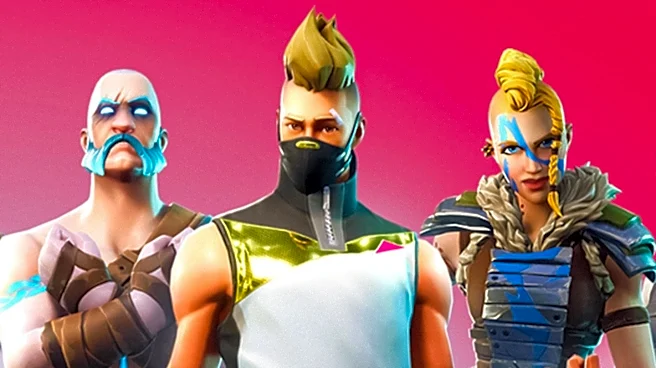
Epic Games has introduced the Model Context Protocol (MCP) into its Unreal Editor for Fortnite (UEFN), enabling AI agents like Claude Code and Cursor to interact directly with the editor. This integration allows developers to use natural language prompts
to control various aspects of Fortnite development. The UEFN MCP embeds a server within the editor process, facilitating communication over a local HTTP connection. This functionality supports creating and modifying Verse Scene Graph entities, reading and writing Verse files, placing and editing Creative devices, and managing play sessions. To utilize this, developers must enable Python Editor Scripting and UEFN MCP Toolsets in their project settings and configure an auto-start server or manually initiate it. A client configuration file, typically a `.mcp.json` file, needs to be created in the project's root folder to specify the AI agent's server list and the UEFN installation location. This advancement aims to streamline the development process by allowing AI agents to inspect and operate the editor through typed tools and toolsets.
Why It's Important?
This development is significant for the U.S. gaming industry and the broader technology sector, particularly in the realm of AI-assisted content creation. By integrating AI agents directly into UEFN, Epic Games is democratizing game development, potentially lowering the barrier to entry for creators and accelerating the production of new experiences within Fortnite. This could lead to a surge in user-generated content, fostering innovation and expanding the Fortnite ecosystem. For businesses, this means more efficient development cycles and potentially reduced costs in game design. The ability to use natural language to command complex development tasks could also influence how other software development platforms approach AI integration, setting a precedent for more intuitive and accessible tools. Furthermore, it highlights the growing trend of AI moving beyond analytical tasks to direct creative and operational roles, impacting job markets and skill requirements in the tech industry.
What's Next?
Developers are expected to begin experimenting with these new AI capabilities, leading to a rapid evolution in how Fortnite experiences are designed and implemented. Epic Games will likely continue to refine the UEFN MCP, adding more toolsets and improving the AI agents' ability to understand and execute complex commands. This could involve expanding the range of editable properties, enhancing debugging tools, and integrating more sophisticated AI models. The success of this integration could also prompt other major game development platforms to explore similar AI-driven solutions, potentially leading to a broader industry shift towards AI-assisted game creation. Training and documentation for developers will be crucial to maximize the utility of these tools, and the community's feedback will play a vital role in shaping future updates and features. The long-term impact could see AI becoming an indispensable partner in game development, transforming workflows and fostering unprecedented levels of creativity.
Beyond the Headlines
The integration of AI agents into UEFN raises deeper questions about the future of creative labor and the definition of authorship in digital content. As AI takes on more direct roles in generating and modifying game elements, the line between human and artificial creativity may blur. This could lead to discussions about intellectual property rights for AI-generated content and the ethical implications of AI potentially replacing certain human design roles. On the other hand, it could also empower a new generation of creators who lack traditional coding skills but possess strong creative visions, fostering a more inclusive development environment. The emphasis on 'natural language' interaction also points towards a future where human-computer interfaces become increasingly intuitive, potentially impacting education and accessibility in technology. This shift could redefine what it means to be a 'developer' or 'creator' in the digital age, moving towards a model where human ingenuity is amplified by intelligent automated systems.