



What's Happening?
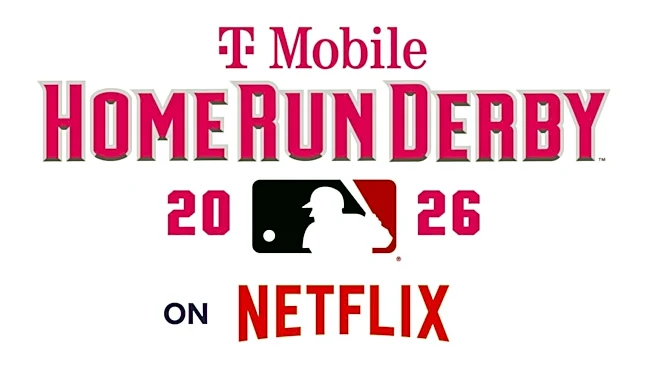
The Home Run Derby, traditionally broadcast by ESPN, made its debut on Netflix as part of Major League Baseball's new TV deal for 2026. This transition has sparked significant viewer feedback, primarily negative, regarding the quality of the broadcast.
Fans expressed dissatisfaction with the lack of live standings, which made it difficult to follow the competition's progress. Additionally, the broadcast's camerawork was criticized for its inability to effectively track the ball, often missing swings and providing confusing angles. Despite the high-definition picture quality and uninterrupted streaming, these issues overshadowed the event, leading to calls for improvements in future broadcasts.
Why It's Important?
The shift of the Home Run Derby to Netflix marks a significant change in sports broadcasting, reflecting the growing influence of streaming platforms in live sports coverage. This move could set a precedent for other sports events, potentially altering the landscape of sports media rights. However, the negative reception highlights the challenges streaming services face in meeting the expectations of traditional sports audiences. The criticism could impact Netflix's reputation as a viable sports broadcaster and influence MLB's future decisions regarding broadcast partnerships. The feedback also underscores the importance of maintaining traditional broadcast elements, such as live standings and effective camerawork, to ensure viewer satisfaction.
What's Next?
Netflix is likely to address the criticisms ahead of the 2027 Home Run Derby, which is scheduled to take place at Wrigley Field. The company may implement changes to improve the broadcast experience, such as enhancing live standings displays and refining camerawork. MLB and Netflix will need to collaborate closely to ensure that future broadcasts meet the expectations of sports fans. Additionally, the feedback may prompt other streaming platforms to carefully consider how they approach live sports coverage, balancing innovation with traditional broadcast elements to satisfy viewers.