





What's Happening?
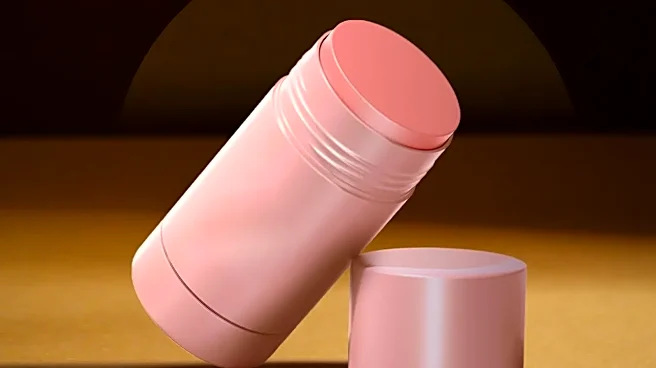
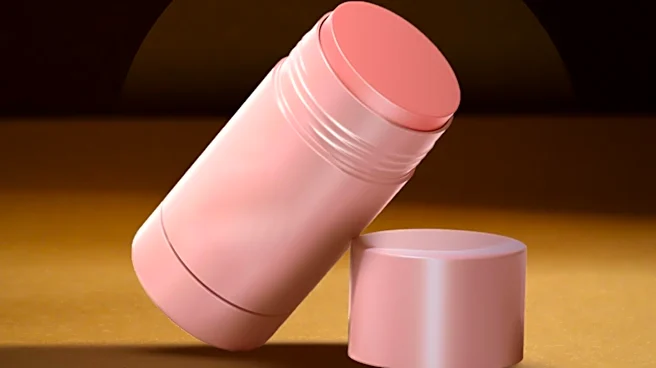
SPF sticks are gaining popularity as a convenient and effective method for sun protection, particularly for reapplication over makeup. These products are designed to be lightweight and portable, offering broad-spectrum UV protection with a smooth, non-sticky
texture. For example, the D'Alba Air Fit Fresh Sun Stick SPF 50+ PA++++ provides high-level protection and glides easily onto the skin without leaving residue. The primary appeal of SPF sticks lies in their ability to be applied without disturbing existing makeup, making them ideal for midday touch-ups. Unlike traditional cream sunscreens that require rubbing and blending, sticks warm slightly upon skin contact, allowing for seamless application over makeup layers. Key characteristics of effective makeup-compatible formulas include a transparent finish to avoid a white cast, quick absorption within 30-60 seconds, a non-comedogenic base to prevent clogged pores, and a lightweight texture to avoid pilling or uneven surfaces. Dermatologists often recommend SPF 30 or higher for reapplication, with SPF 50+ being preferred for stick formulations due to potentially lighter application. Proper technique involves gentle patting motions rather than rubbing to preserve makeup while ensuring adequate coverage.
Why It's Important?
The rise of SPF sticks addresses a significant gap in daily skincare routines, particularly for individuals who wear makeup or lead active lifestyles. Traditional sunscreens often deter reapplication due to their potential to smudge makeup, leave a greasy residue, or require a full re-do of one's face. SPF sticks mitigate these issues, promoting consistent sun protection throughout the day, which is crucial for preventing sun damage, premature aging, and reducing the risk of skin cancer. This innovation impacts the beauty and personal care industry by creating a new product category that caters to convenience and efficacy. Consumers benefit from easier adherence to dermatological recommendations for frequent SPF reapplication, especially during prolonged sun exposure or outdoor activities. The emphasis on transparent, lightweight, and non-comedogenic formulas also reflects a growing consumer demand for products that integrate seamlessly into existing routines without compromising skin health or aesthetic preferences. This trend could lead to further innovation in sun protection products, focusing on user-friendly formats and specialized formulations for various skin types and needs.
What's Next?
The increasing demand for convenient and effective sun protection is likely to drive further innovation in the SPF stick market. Consumers can expect to see a wider variety of formulations tailored to specific skin concerns, such as mattifying options for oily skin or mineral-based sticks for sensitive skin. Brands may also focus on enhancing the aesthetic appeal and portability of these products, potentially introducing more compact designs or multi-functional sticks that combine SPF with other skincare benefits. Educational campaigns from dermatologists and beauty influencers will likely continue to emphasize the importance of regular SPF reapplication, further boosting the adoption of stick formulations. As the market matures, there may be increased competition, leading to more affordable options and greater accessibility for a broader consumer base. Additionally, advancements in ingredient technology could lead to even more transparent, lightweight, and long-lasting SPF stick formulas, making daily sun protection an even more effortless part of personal care routines.
Beyond the Headlines
The widespread adoption of SPF sticks signifies a broader cultural shift towards proactive and integrated skincare. Historically, sun protection was often viewed as a separate, sometimes cumbersome, step in a beauty routine. However, the convenience offered by SPF sticks encourages a more consistent and effortless approach to sun safety, embedding it into daily habits rather than treating it as an occasional necessity. This shift has implications for public health, as increased adherence to sun protection guidelines can lead to a reduction in sun-related skin conditions. Furthermore, the focus on makeup-friendly formulations highlights the evolving intersection of beauty and wellness, where products are expected to deliver both cosmetic benefits and health protection. This trend also underscores the power of product design in influencing consumer behavior; by making sun protection easier and more enjoyable, brands can effectively promote healthier practices. The success of SPF sticks could inspire similar innovations in other areas of personal care, where convenience and seamless integration into daily life are prioritized to encourage better self-care habits.