



What's Happening?
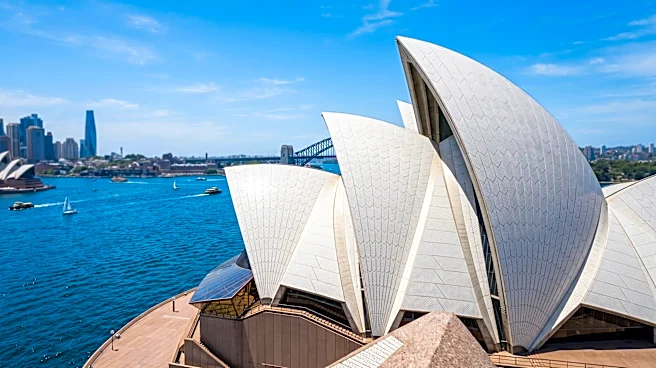
Winston McCall, the frontman for the Australian metalcore band Parkway Drive, was filmed being lowered from a helicopter onto the roof of the Sydney Opera House. This stunt was part of the opening sequence for the band's 90-minute concert film, 'Parkway
Drive: Home,' which features the band performing with a 70-piece symphony orchestra. According to McCall, permission for a similar stunt had previously been denied to Hollywood actor Tom Cruise, known for performing his own dangerous stunts. The stunt involved shutting down the entire Sydney Harbour for the duration of the filming, which McCall described as a flawless operation. The idea for this elaborate opening was pitched to the band three years ago by Hype Republic, the team behind their 2020 documentary, 'Viva the Underdogs.' The film premiered in London on November 19, and the live album, also titled 'Home,' is set to be released on December 4 through Epitaph.
Why It's Important?
This event highlights the increasing trend of musical artists incorporating high-production, cinematic elements into their concert films and promotional materials. The successful execution of a stunt previously deemed too risky for a major Hollywood star like Tom Cruise underscores the ambition and resources now being invested in music-related visual content. For Parkway Drive, this high-profile stunt not only generates significant media attention but also elevates their brand, potentially attracting a broader audience beyond their traditional metalcore fanbase. The involvement of a 70-piece symphony orchestra further demonstrates a crossover appeal, blending different musical genres and expanding the artistic scope of the band. This approach could influence other artists to pursue more elaborate and visually striking productions, raising the bar for concert films and live performance experiences.
What's Next?
The concert film 'Parkway Drive: Home' is scheduled for release in UK cinemas on November 26, followed by the release of the live album 'Home' on December 4. The success of this film and album, particularly the attention garnered by the helicopter stunt, will likely be a key indicator for future projects involving similar high-concept productions in the music industry. The band's collaboration with a symphony orchestra could also pave the way for more cross-genre performances and recordings. Industry observers will be watching to see if this bold approach translates into increased album sales, streaming numbers, and concert attendance, potentially setting a new standard for how musical acts engage with their audience through visual media.
Beyond the Headlines
The incident raises questions about the evolving landscape of entertainment and the lengths to which artists and production companies are willing to go to create memorable and impactful content. The fact that a stunt denied to a globally recognized actor was approved for a musical act suggests a shift in perceived risk and value by authorities and venues. This could reflect a growing recognition of the cultural and economic impact of music events, or perhaps a more flexible regulatory environment for certain types of productions. Ethically, it prompts consideration of safety protocols and the potential for 'stunt inflation' in the entertainment industry, where each new production attempts to outdo the last in terms of spectacle and perceived danger. This trend could lead to increased scrutiny of safety measures and a re-evaluation of what constitutes acceptable risk in live performances and film productions.