








What's Happening?
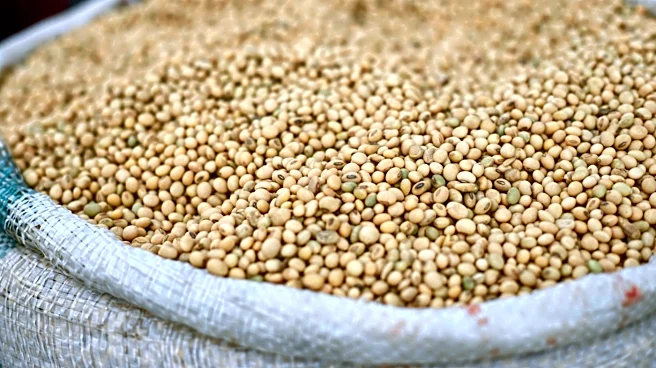
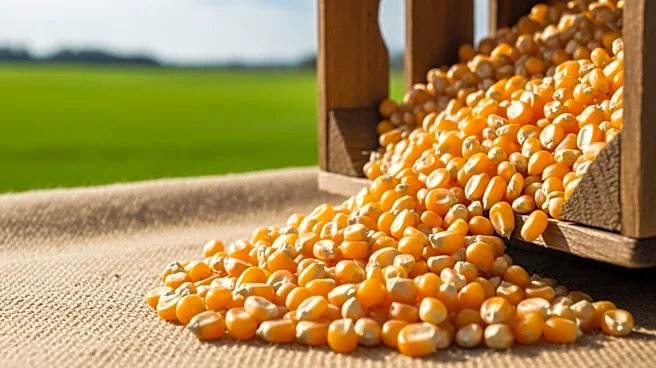
The food industry is facing significant challenges due to climate change, which is impacting major crops such as cocoa, corn, palm oil, rice, wheat, sugarcane, and soybeans. Rising temperatures and irregular weather patterns are reducing yields and increasing
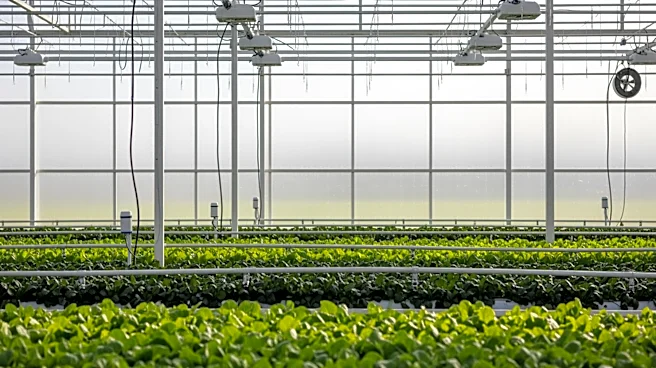
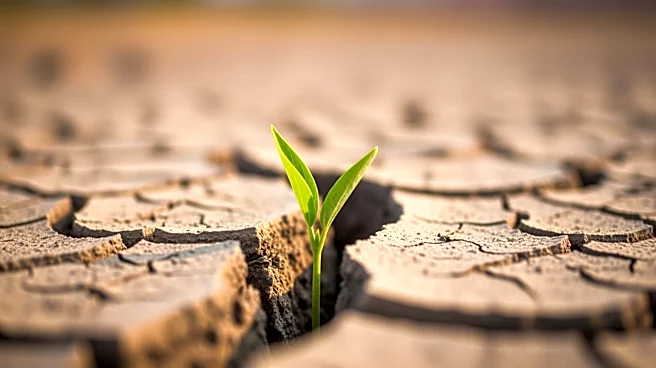
crop diseases, making agriculture less predictable. Cocoa and corn are particularly vulnerable, with cocoa facing droughts and irregular rainfall in West Africa, and corn being sensitive to heat and erratic rainfall. The industry is urged to adopt mitigation strategies such as developing resilient crop varieties, improving irrigation and soil management, and utilizing technology to better manage these impacts.
Why It's Important?
The vulnerability of major crops to climate change poses a significant threat to global food security and the agricultural economy. As these crops are essential for food production and trade, their reduced yields could lead to increased prices and scarcity, affecting both consumers and producers. The food industry must adapt to these changes to ensure a stable supply chain and prevent economic losses. By investing in resilient agricultural practices, the industry can mitigate the risks posed by climate change and maintain food security.
What's Next?
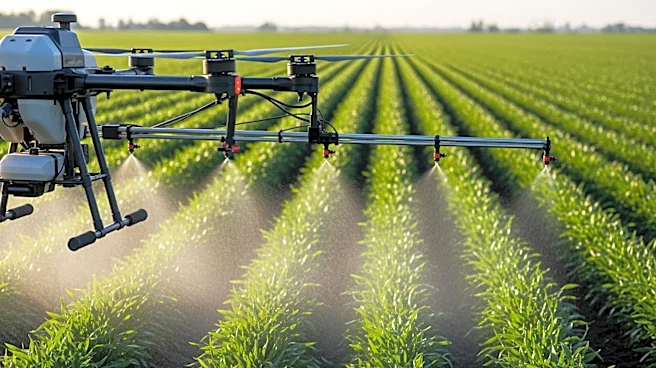
The food industry is expected to continue developing and implementing strategies to combat the effects of climate change on agriculture. This includes breeding drought and heat-resistant crop varieties, improving water management, and adopting precision agriculture techniques. Stakeholders, including governments and agricultural organizations, may increase funding and support for research and development in these areas to ensure long-term sustainability and resilience in food production.