



What's Happening?
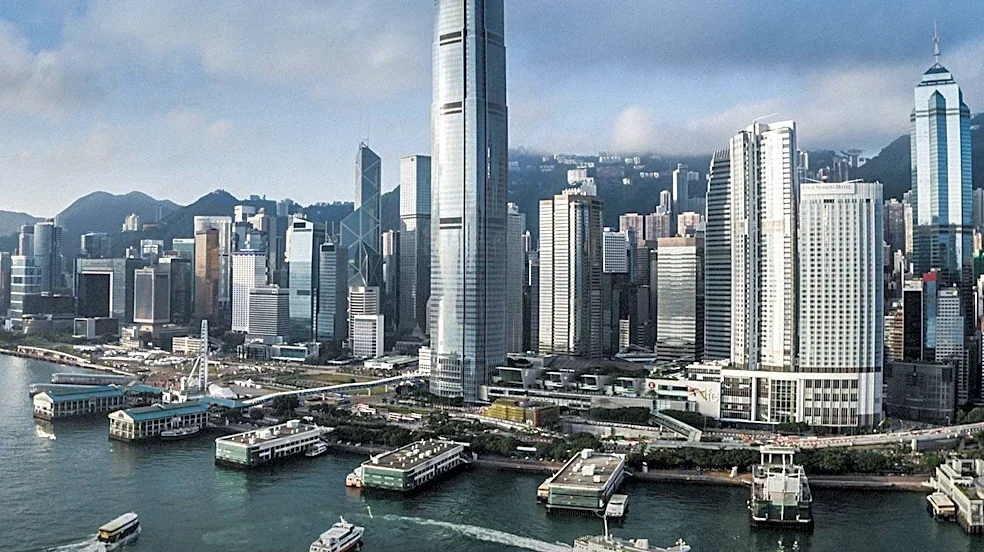
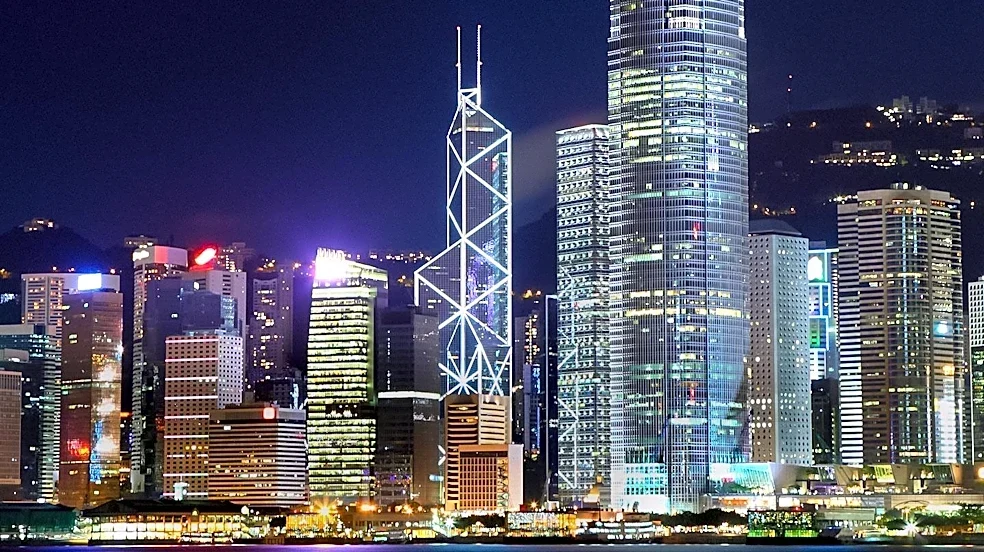
Hong Kong Financial Secretary Paul Chan has outlined the city's strategy to establish itself as a leading destination for artificial intelligence (AI) investment and business. Chan emphasized Hong Kong's efforts to attract top AI talent and firms by leveraging
its inherent strengths. He also addressed the ongoing U.S.-China tech rivalry, positioning Hong Kong as a location that offers both diversification and safety for businesses operating within this complex geopolitical landscape. The financial secretary's remarks highlight Hong Kong's proactive approach to fostering technological growth and innovation, particularly in the AI sector, despite broader international tensions. The city aims to create an environment conducive to AI development and investment, drawing on its unique economic and political standing.
Why It's Important?
Hong Kong's ambition to become a top AI investment hub is significant for several reasons. Firstly, it signals a strategic pivot towards high-tech industries as a key driver for future economic growth, potentially diversifying its traditional financial services-heavy economy. Secondly, by attracting AI talent and firms, Hong Kong aims to bolster its innovation ecosystem, which could lead to the development of cutting-edge technologies and solutions with global applications. Thirdly, Financial Secretary Chan's comments on the U.S.-China tech rivalry underscore Hong Kong's delicate position as a bridge between the two economic superpowers. Its ability to offer 'diversification and safety' could make it an attractive neutral ground for companies navigating these tensions, potentially drawing investments that might otherwise be hesitant to commit solely to either the U.S. or mainland China. This strategy could also influence regional and global AI development trends, as Hong Kong seeks to carve out a unique niche in the competitive tech landscape.
What's Next?
To realize its goal of becoming a top AI investment hub, Hong Kong will likely continue to implement policies aimed at attracting foreign investment, fostering local talent, and supporting AI research and development. This could include tax incentives, funding for startups, and collaborations with international universities and research institutions. The city may also focus on developing specialized infrastructure and regulatory frameworks that are favorable to AI companies. The ongoing U.S.-China tech rivalry will remain a critical factor, and Hong Kong's ability to maintain its perceived neutrality and stability will be crucial for its success. Future developments will likely involve monitoring the flow of AI talent and capital into the city, as well as observing how its unique position influences the strategies of global tech firms seeking to expand their presence in Asia while mitigating geopolitical risks.
Beyond the Headlines
Hong Kong's pursuit of AI leadership has deeper implications beyond economic growth. It reflects a broader global trend where cities and nations are competing to become centers of technological innovation, recognizing AI as a transformative force across all sectors. The emphasis on attracting 'top AI talents' highlights the critical role of human capital in driving technological advancement and the global competition for skilled professionals. Furthermore, Hong Kong's attempt to position itself as a safe haven amidst the U.S.-China tech rivalry could set a precedent for other regions seeking to navigate complex international relations while fostering technological progress. This strategy also raises questions about data governance, intellectual property protection, and ethical AI development within a jurisdiction that balances different political and economic influences, potentially shaping future international norms for AI innovation.