





What's Happening?
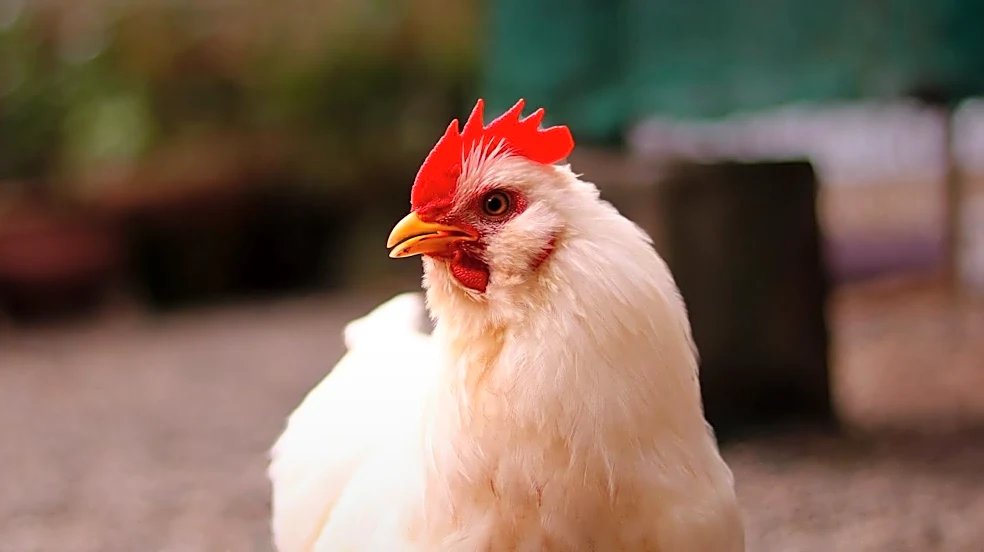
Poultry, particularly chicken, has surpassed pork to become the most widely consumed meat globally, reaching approximately 139 million tonnes worldwide compared to pork's 123 million tonnes. This shift is attributed to several factors, including economic
pressures, cultural acceptance, and the perception of chicken as a healthier protein source. Rising energy costs, expensive feed, and higher wages have made pig farming more costly due to longer rearing and fattening periods. In contrast, chickens grow faster, require less feed per kilogram of meat, and are easier to industrialize, leading to lower production costs. This makes poultry an attractive option for supermarkets, fast-food chains, and budget-conscious consumers. Additionally, poultry faces fewer religious and cultural barriers compared to pork, allowing for broader market access internationally. The increased demand for poultry has led to a boom in large-scale industrial rearing facilities, housing thousands of animals in confined spaces to meet the need for faster and cheaper supply.
Why It's Important?
The dominance of poultry in global meat consumption has significant implications for the U.S. agricultural industry and food systems. The shift towards industrial-scale animal confinement, or factory farming, for poultry production is a direct response to the rising demand for affordable meat. While this method offers cost efficiencies, it raises concerns about animal welfare, environmental impact, and the sustainability of food production. The U.S. poultry industry, a major global player, will likely continue to expand its intensive farming practices to capitalize on this trend. This could lead to increased pressure on resources, potential environmental degradation from waste, and ongoing debates about the ethical treatment of animals. For consumers, the availability of cheaper poultry may influence dietary choices, potentially at the expense of more sustainably produced meats or plant-based alternatives. The long-term effects on public health, particularly concerning antibiotic use and shed hygiene in large-scale operations, also remain a critical consideration.
What's Next?
The trend of increasing poultry consumption is expected to continue, further solidifying its leading position in the global meat market. This will likely drive continued investment in and expansion of industrial-scale poultry farming operations in the U.S. and worldwide. Stakeholders, including farmers, retailers, and policymakers, will face ongoing challenges related to production efficiency, animal husbandry standards, and environmental impact. There will likely be continued debates and scrutiny regarding the practices within these large-scale facilities, including antibiotic use, hygiene, and slaughter conditions. Consumers, while benefiting from lower prices, may increasingly seek information about the origin and farming methods behind their poultry purchases. This could lead to a growing market for regional or higher-standard poultry products, even as the overall demand for conventional, cheaper options remains high. The industry may also see further technological advancements aimed at optimizing feed formulation and manufacturing processes to enhance efficiency and address some of the environmental concerns.
Beyond the Headlines
The rise of poultry as the world's most consumed meat highlights a deeper societal tension between consumer demand for affordable food and concerns about ethical and environmental sustainability. The prevalence of industrial-scale animal confinement, while economically efficient, often comes with significant trade-offs. These include potential impacts on animal welfare due to crowded conditions and shorter lifespans, as well as environmental concerns related to waste management and resource consumption. The perception of chicken as a 'light' and healthy protein often overshadows the realities of its production, creating a disconnect for consumers. This trend also underscores the influence of economic factors on dietary patterns, as budget-conscious consumers gravitate towards cheaper meat options. The long-term implications could include a further entrenchment of factory farming models, potentially hindering the growth of more sustainable and humane agricultural practices unless there is a significant shift in consumer preferences or regulatory frameworks. The ethical dimension of food production, particularly regarding animal welfare and the environmental footprint of intensive farming, will likely remain a prominent and evolving public discourse.