


What's Happening?
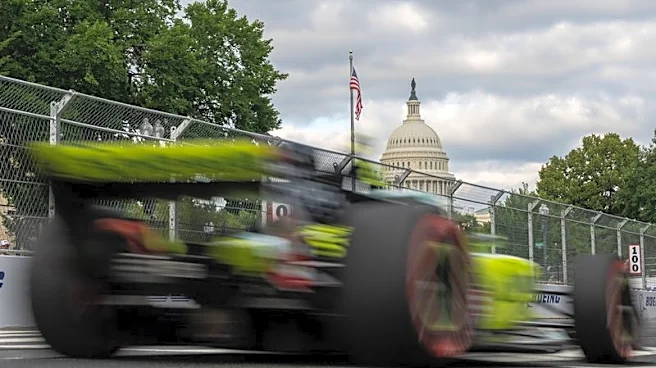
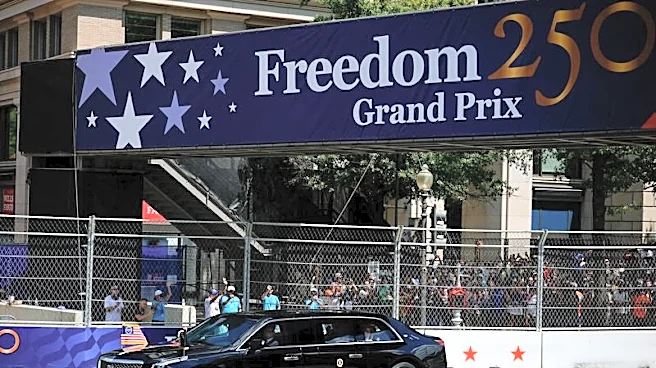
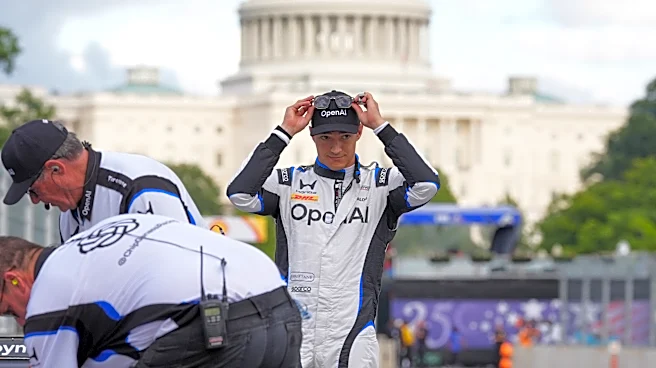
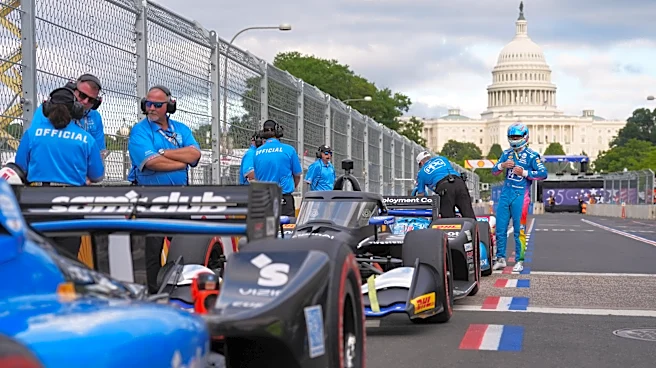
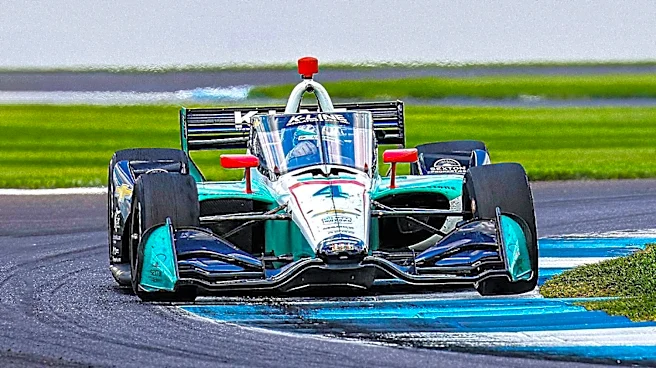
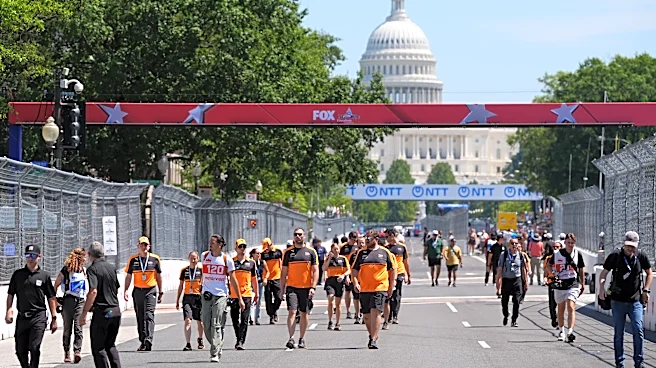
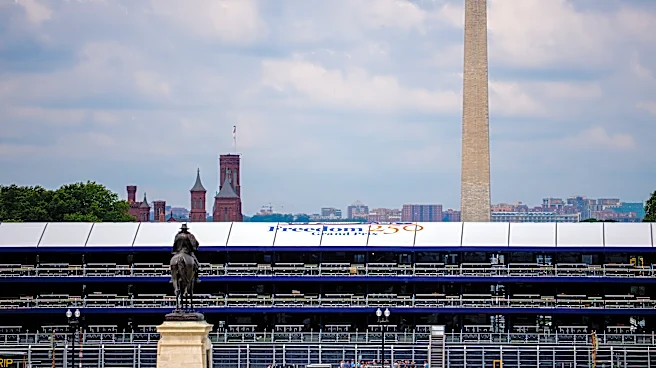
Kyle Kirkwood secured a dominant victory at the inaugural Freedom 250 Grand Prix in Washington, D.C., an NTT IndyCar Series event that featured a street course around iconic National Mall landmarks. Kirkwood, driving the No. 27 car, took an early lead
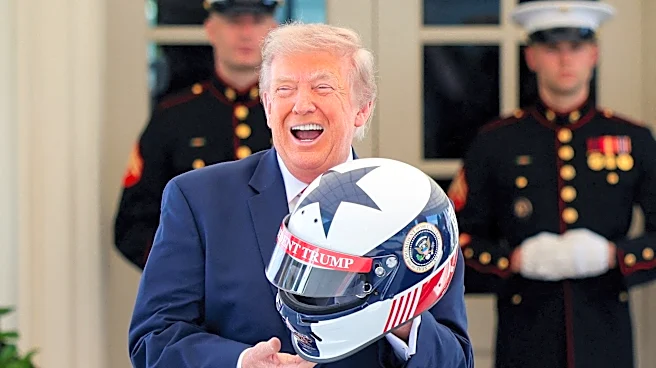
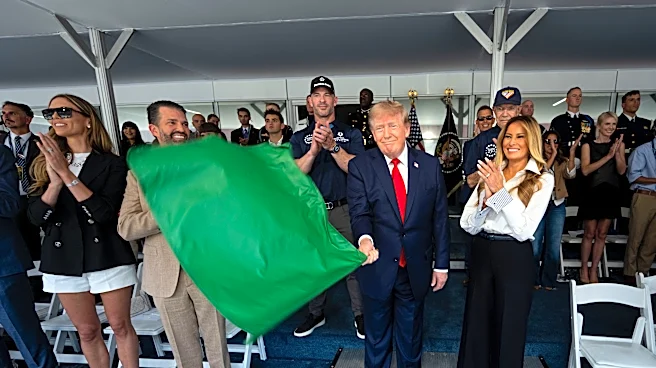
after battling Alex Palou and maintained it for the majority of the race, despite several caution periods in the final 50 laps. His performance included building multiple leads of over ten seconds and posting the fastest lap of the race. Alex Palou, who entered the race leading IndyCar points, experienced significant struggles, falling a full lap behind and ultimately crashing out, resulting in a DNF. The event also featured a pre-race flyover by Air Force One and an appearance by President Trump on pit road.
Why It's Important?
The inaugural Freedom 250 Grand Prix marks a significant expansion for the NTT IndyCar Series, bringing high-profile auto racing to the nation's capital and utilizing a unique street course that incorporates historical landmarks. This event could set a precedent for future urban races, potentially boosting the sport's visibility and attracting new audiences by integrating it with prominent U.S. cultural and political symbols. The presence of President Trump and the Air Force One flyover underscore the event's national significance and its potential to draw broader public and media attention beyond typical sports viewership. For the IndyCar series, successfully staging such a high-profile race in Washington, D.C., could open doors for similar events in other major U.S. cities, enhancing its commercial appeal and competitive landscape. The race's outcome, with a dominant American winner like Kyle Kirkwood, also provides a compelling narrative for domestic fans and sponsors.
What's Next?
Following the successful inaugural event, organizers will likely evaluate the Freedom 250 Grand Prix for its potential to become a recurring fixture on the NTT IndyCar Series calendar. The positive reception and high-profile attendance, including President Trump, suggest a strong foundation for future races in Washington, D.C. Discussions will probably focus on refining the street course logistics, managing crowd control, and optimizing the integration of the race with the city's infrastructure. For Kyle Kirkwood, this dominant win could provide significant momentum in the championship standings and elevate his profile within the sport. Conversely, Alex Palou will need to rebound from his disappointing performance to maintain his lead in the IndyCar points as the season progresses. The series will continue to monitor fan engagement and economic impact to determine the long-term viability and expansion opportunities for urban street races.
Beyond the Headlines
The Freedom 250 Grand Prix in Washington, D.C., transcends a typical sporting event by intertwining professional auto racing with national symbolism and political presence. Holding a race on the National Mall, passing by institutions like the National Gallery of Art and the National Air and Space Museum, transforms the event into a cultural spectacle that celebrates American heritage alongside athletic competition. The involvement of Air Force One and President Trump further blurs the lines between sports, politics, and national identity, potentially setting a new standard for how major sporting events are presented in the U.S. This integration could foster a unique sense of national pride and unity around the sport, but it also raises questions about the commercialization of public spaces and the potential for political endorsements to influence sporting events. The event's success could inspire other sports to seek similar high-profile, symbolically rich venues, potentially reshaping the landscape of American sports entertainment.