





What's Happening?
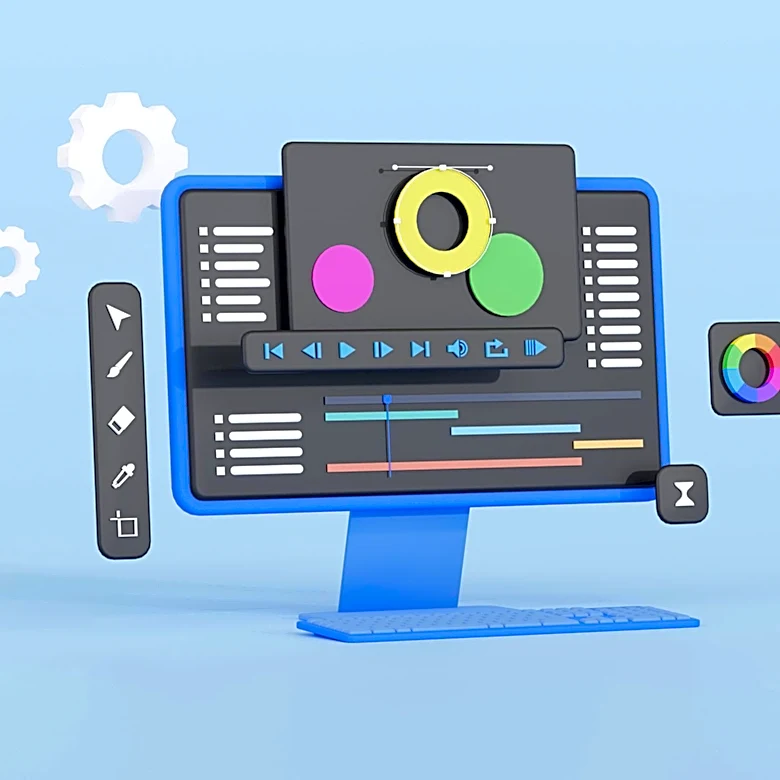
Ideogram has launched its 4.6 Edit tool, an advanced AI-powered image generation and editing platform. This new iteration focuses on precise, low-drift editing, allowing users to make specific changes to images without re-rendering the entire picture.
A key feature is its ability to maintain the exact input dimensions, supporting edits up to 8192 × 8192 pixels. The tool enables prompt-driven modifications, where users describe the desired change, and the AI applies it with minimal alteration to untouched areas. It also boasts legible in-image text generation, native 2K and 4K editing capabilities, and the option to use up to four reference images to guide edits. Ideogram 4.6 Edit has achieved first place on the Rapidata Multi-step Image Edit leaderboard, demonstrating its competitive performance in the field of AI image manipulation.
Why It's Important?
The introduction of Ideogram 4.6 Edit signifies a notable advancement in AI-driven image editing, particularly for industries reliant on high-quality visual content such as advertising, graphic design, and e-commerce. Its precise, low-drift editing capabilities mean that businesses can efficiently update product images, localize text on marketing materials, or swap out elements in designs without compromising the integrity of the original image. The ability to generate legible in-image text is crucial for creating professional-grade headlines, logos, and signage, reducing the need for manual graphic design work. Furthermore, native 2K and 4K editing ensures that outputs are print-ready, directly benefiting print media and packaging design sectors. This technology can streamline workflows, reduce production costs, and enable faster iteration of visual assets, offering a competitive edge to companies that adopt it.
What's Next?
The continued development and adoption of tools like Ideogram 4.6 Edit are likely to further democratize high-quality image editing, making sophisticated visual content creation accessible to a broader range of users and businesses. We can anticipate more integrations of such AI editing capabilities into existing design software and platforms, potentially leading to new subscription models or service offerings. The focus on precise, localized edits suggests a trend towards more granular control in AI image generation, moving beyond broad stylistic changes to detailed, functional modifications. Future iterations may explore even more complex multi-step editing scenarios and enhanced user interfaces to simplify the prompt-driven process. The success of Ideogram 4.6 Edit could also spur further competition and innovation in the AI image editing market, leading to even more advanced features and capabilities.
Beyond the Headlines
The rise of highly precise AI image editing tools like Ideogram 4.6 Edit raises deeper implications regarding authenticity and the perception of reality in digital media. While beneficial for creative industries, the ease with which images can be altered with high fidelity could exacerbate concerns about misinformation and deepfakes. The ability to seamlessly change text or objects within an image without leaving detectable traces challenges traditional methods of verifying visual content. This development underscores the growing need for robust digital forensics tools and media literacy education to help distinguish between genuine and AI-modified images. Ethically, the technology presents a double-edged sword: empowering creativity and efficiency on one hand, while potentially enabling deceptive practices on the other. The long-term societal impact will depend on how these powerful tools are governed, utilized, and understood by the public.