

What's Happening?
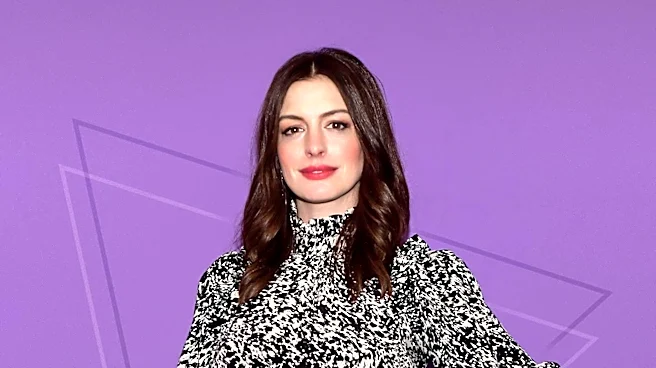
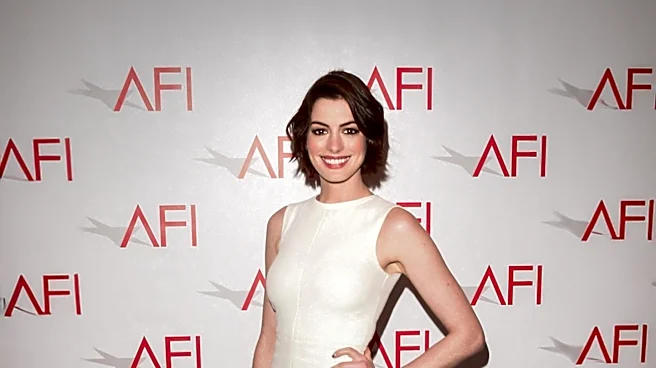
Actress Anne Hathaway is featured on the September issue cover of Vogue China sporting a new pixie cut, styled by Orlando Pita. This marks the shortest her hair has been in over a decade, reminiscent of the style she adopted in 2012 for her role in 'Les
Misérables.' The cover shoot, photographed by Norman Jean Roy, showcases Hathaway with both wild and spiky, and sleek and straight variations of the short haircut. She is seen wearing a white Louis Vuitton blazer with black trim and a Bulgari Tubogas choker from the Eclettica high jewelry collection, which features a 49-carat cushion-cut tanzanite stone, diamonds, lapis lazuli, and turquoise. The interview accompanying the cover story references Hathaway's third pregnancy, which she announced in June, indicating the recent timing of the feature. Hathaway has previously experimented with her hair, including dyeing it platinum blond for the 2013 Met Gala and honey blond for her 2019 film 'Serenity,' expressing a desire to 'mess around' with her hair and not be 'too fixed on anything.'
Why It's Important?
This event is significant within the entertainment and fashion industries as it highlights a prominent celebrity's style evolution and its impact on popular culture. Anne Hathaway's choice to debut a dramatically shorter haircut on the cover of a major international fashion magazine like Vogue China can influence beauty trends and discussions around celebrity image. Her previous hair transformations, particularly the one for 'Les Misérables,' have often garnered considerable media attention and public interest, demonstrating her influence as a style icon. The feature also underscores the ongoing relationship between high fashion brands, such as Louis Vuitton and Bulgari, and celebrity endorsements, which are crucial for their global marketing strategies. The reference to her third pregnancy subtly integrates her personal life with her public persona, adding a layer of relatability and interest for her audience. This kind of high-profile style change often sparks conversations about personal expression and the role of appearance in the public eye.
What's Next?
Following the release of the Vogue China September issue, it is likely that there will be widespread media coverage and social media discussion regarding Anne Hathaway's new look. Fashion and beauty publications will analyze the haircut, its styling, and its potential to set new trends. Given Hathaway's history of influencing style, other celebrities and the general public may be inspired to adopt similar short hairstyles. The Bulgari necklace featured on the cover may also see increased interest and sales, benefiting from the high-profile exposure. As Hathaway's third pregnancy was mentioned in the accompanying interview, future public appearances and projects will likely continue to draw attention to her evolving personal and professional life. Her continued collaboration with high-end brands suggests further fashion-forward appearances and endorsements are probable, maintaining her status as a significant figure in both entertainment and fashion.
Beyond the Headlines
Beyond the immediate fashion statement, Anne Hathaway's recurring embrace of short hair, particularly after a decade, can be seen as a broader commentary on female celebrity and self-reinvention. Her previous decision to shave her head for a role in 'Les Misérables' was a powerful artistic choice, and this new pixie cut, while likely a wig for the shoot, echoes that spirit of transformation. It challenges conventional beauty standards often imposed on actresses, who are frequently expected to maintain long hair. Her statement about feeling 'funnier' with different hair colors suggests a deeper connection between external appearance and internal confidence or creative expression. This act of publicly experimenting with her image, especially while referencing her pregnancy, can resonate with women navigating personal and professional changes, highlighting themes of autonomy and self-definition in the public sphere. It also subtly reinforces the power of fashion magazines in shaping cultural narratives around celebrity and style.