






What's Happening?
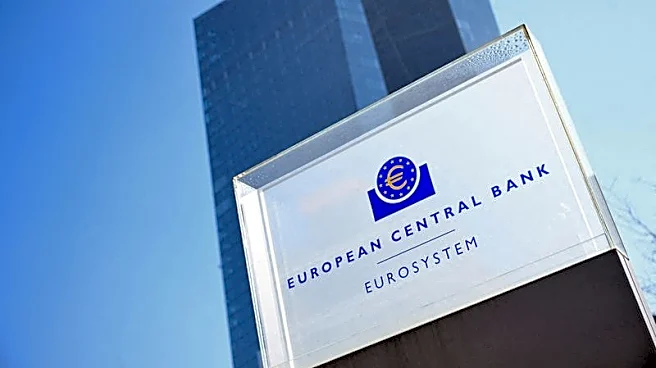
The European Central Bank (ECB) has issued a warning regarding the risks posed by stablecoins to the traditional banking system. Cryptocurrencies, such as Bitcoin, have gained popularity as speculative investments, but stablecoins, which are backed by assets
like fiat currencies or precious metals, are emerging as a potential alternative. The ECB is concerned that the shift towards stablecoins could destabilize banks by draining reserves and reducing profitability. In response, the ECB is developing a digital euro, a stablecoin backed by the traditional banking system, to maintain its role in the economy. This move highlights the ongoing evolution of the cryptocurrency market and the challenges it poses to existing financial structures.
Why It's Important?
The ECB's warning underscores the potential disruption stablecoins could cause to the global financial system. As businesses and investors increasingly adopt stablecoins, traditional banks may face reduced reserves and profitability, prompting a need for adaptation. The development of a digital euro by the ECB represents an effort to integrate stablecoins into the existing financial framework, ensuring stability and profitability for banks. This evolution in the cryptocurrency market could lead to significant shifts in how financial transactions are conducted, impacting investors, businesses, and the broader economy. The ECB's actions may also influence regulatory approaches to cryptocurrencies worldwide.
What's Next?
The ECB's development of a digital euro is a significant step towards integrating stablecoins into the traditional financial system. As this initiative progresses, it may set a precedent for other central banks to follow, potentially leading to a more regulated and stable cryptocurrency market. Investors and businesses will need to monitor these developments closely, as the adoption of stablecoins could impact investment strategies and financial operations. Additionally, the regulatory landscape for cryptocurrencies is likely to evolve, with increased scrutiny and potential new regulations aimed at ensuring financial stability and protecting consumers.
Beyond the Headlines
The rise of stablecoins and the ECB's response highlight the broader implications of cryptocurrency adoption. This shift could lead to a reevaluation of the role of traditional banks and financial institutions, as well as the regulatory frameworks governing them. The integration of stablecoins into the financial system may also prompt discussions on the ethical and legal aspects of digital currencies, including issues of privacy, security, and financial inclusion. As the cryptocurrency market continues to evolve, stakeholders will need to navigate these complex challenges to ensure a balanced and sustainable financial ecosystem.