
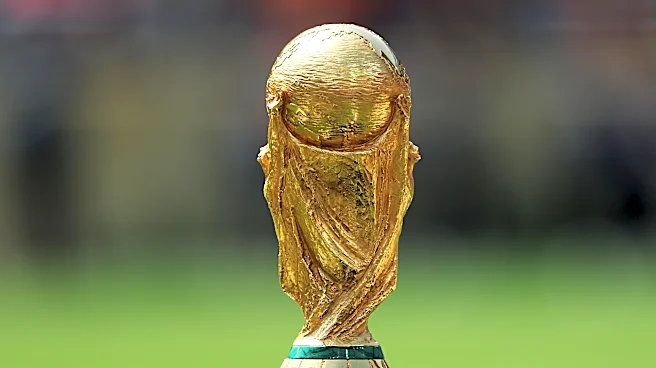
What's Happening?
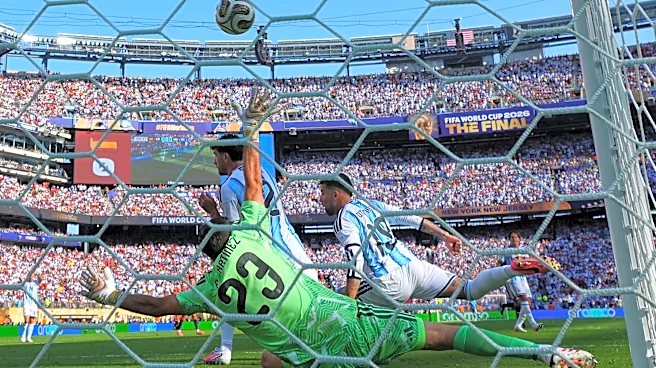
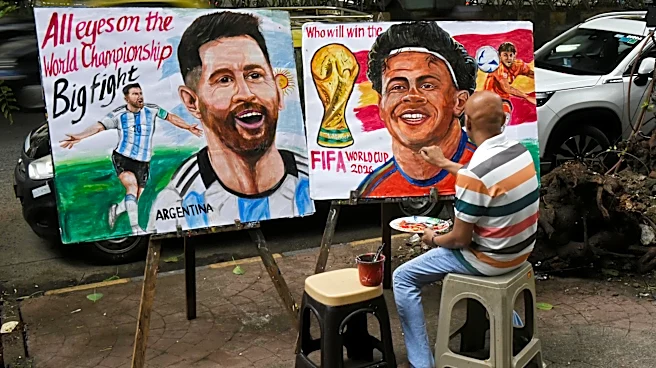
The Argentinian President, Javier Milei, has decided not to attend the World Cup final between Argentina and Spain, continuing a 36-year tradition of Argentinian presidents avoiding such events due to superstitions. This practice began in 1990 when then-President
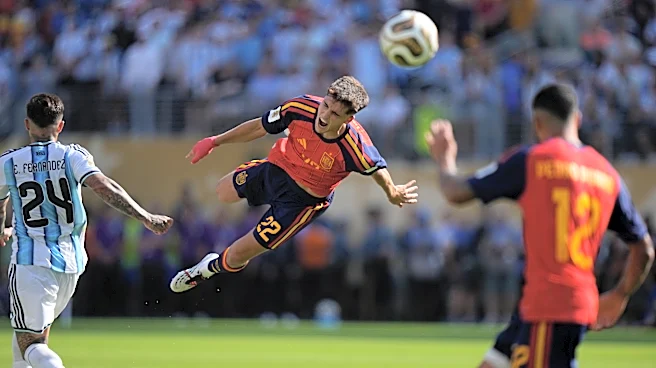
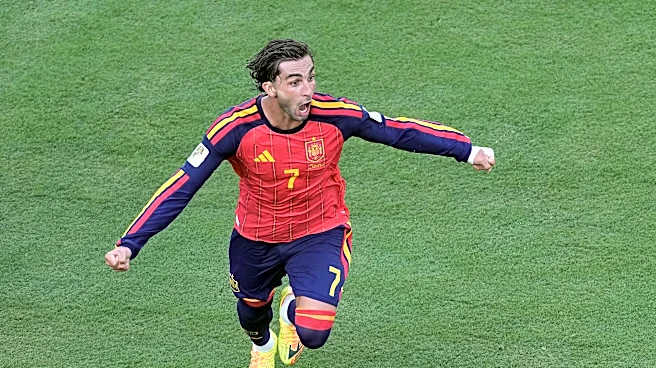
Carlos Menem's visit to the team coincided with a surprising loss to Cameroon. Meanwhile, Spain's Prime Minister Pedro Sánchez and King Felipe VI plan to attend the match. The final, set to take place in New Jersey, sees Argentina aiming to become the third country to win consecutive World Cups, while Spain seeks to hold both the Euros and World Cup titles simultaneously. Environmental factors, such as air quality alerts due to Canadian wildfire smoke, have also been a concern, although conditions have improved.
Why It's Important?
The decision by President Milei highlights the cultural significance of superstitions in sports, particularly in Argentina. The absence of the president at such a high-profile event underscores the weight of historical beliefs on national morale and team performance. For Spain, the presence of high-ranking officials like the Prime Minister and King reflects the importance of international sports diplomacy and national pride. The environmental concerns, such as air quality issues, also emphasize the broader impact of climate change on global events, affecting both players and spectators. The outcome of the match could have significant implications for national pride and international sports rankings.
What's Next?
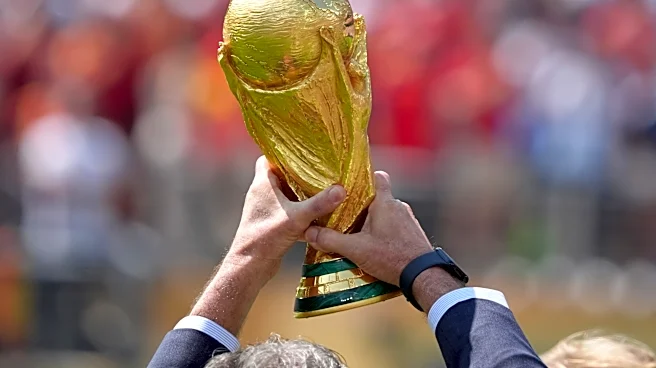
Following the final, the winning team will receive rings, a tradition borrowed from American sports. The match's outcome will likely influence future international sports strategies and diplomatic relations. If Argentina wins, it could boost national morale and reinforce the superstition of presidential absence. Conversely, a Spanish victory would solidify their status as a dominant force in international soccer. The environmental conditions may prompt further discussions on the impact of climate change on major sporting events, potentially influencing future venue selections and scheduling.